

What is the RDW value in blood? And Normal RDW values

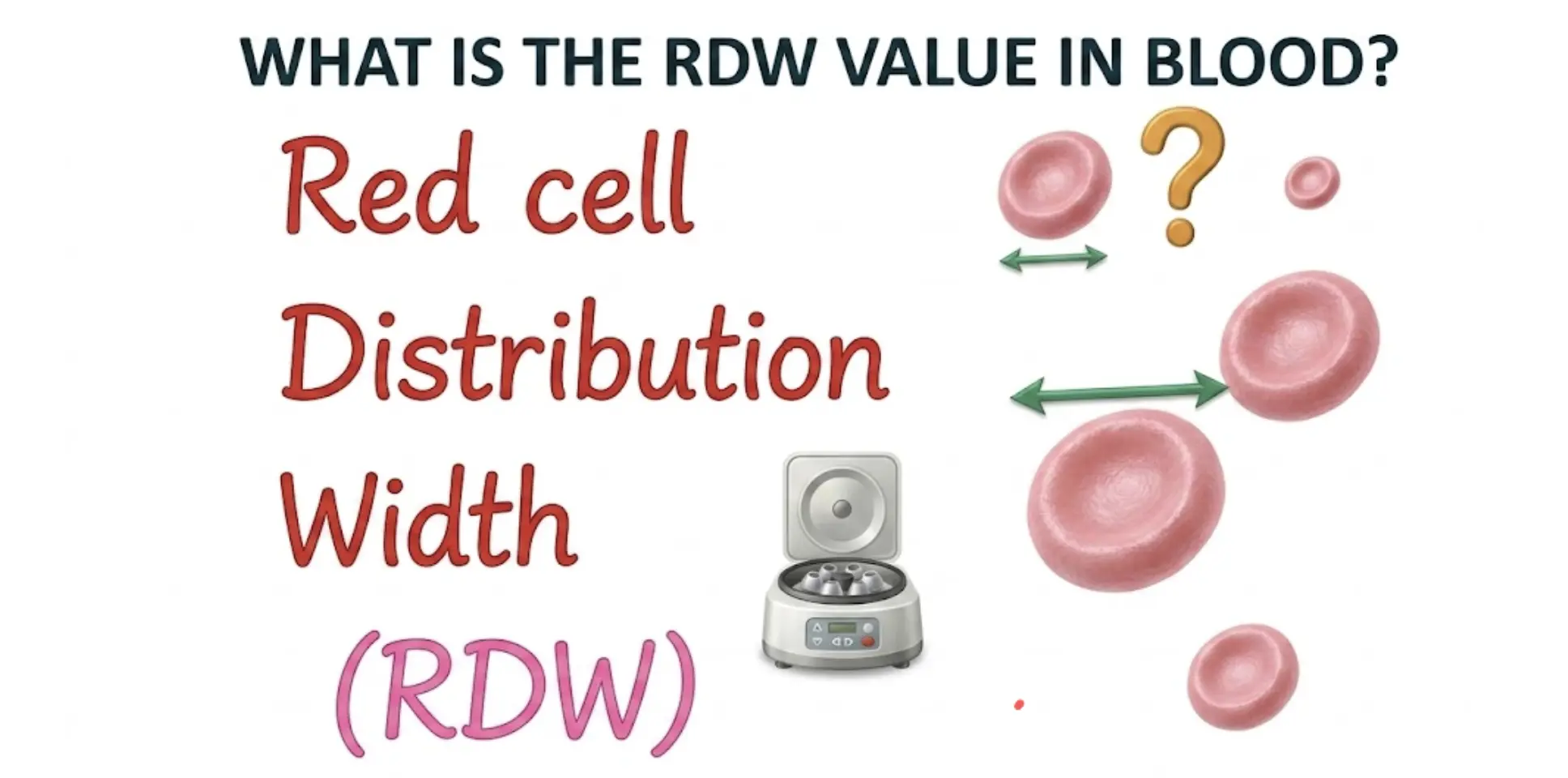
RDW (Red Cell Distribution Width) value is the change of size of red blood cells and it can be used to diagnose anemias and other blood diseases.
The RDW (Red Cell Distribution Width) is a measurement of the range of the sizes of red blood cells (erythrocytes) in blood. It is frequently said in a percentage and is a significant value in a complete blood count (CBC). The value of RDW is used to show the degree to which the size of the red blood cells in a blood sample differs.
Normal RDW values
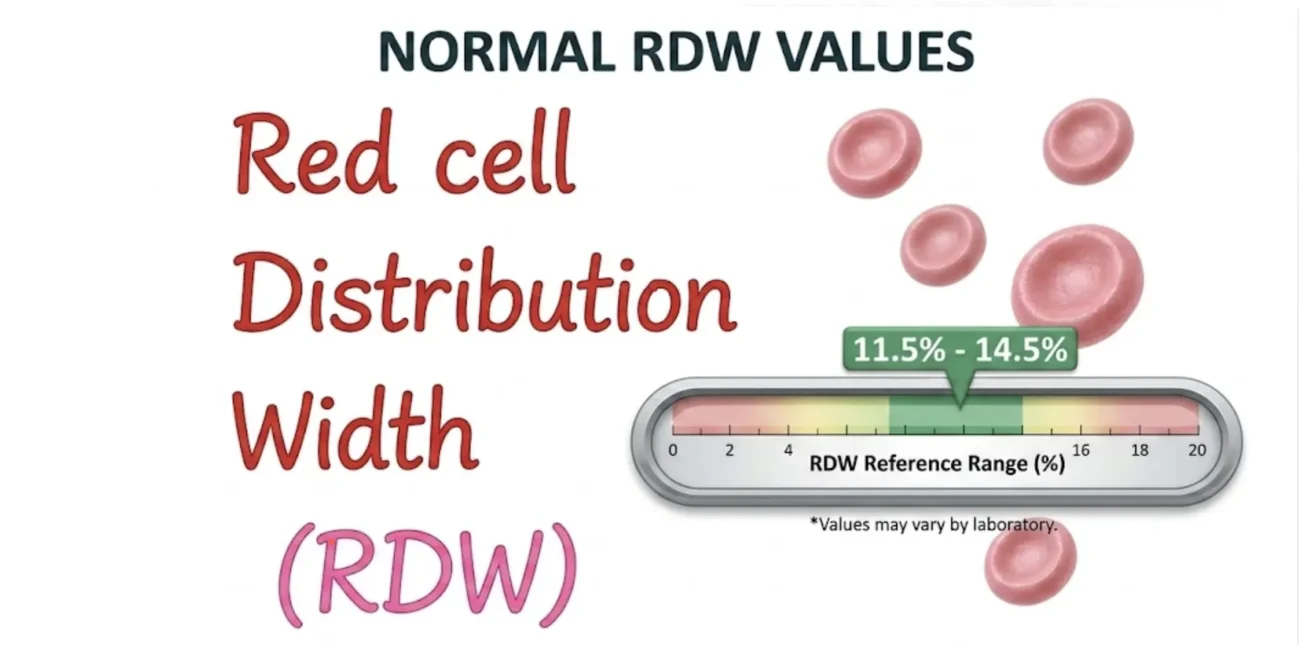
RDW standard reference values also differ to some extent with each laboratory, but usually, the standard RDW value falls between 11.5% and 14.5%.
Sense of RDW values.
The value of the RDW is significant since it assists in diagnosis of a range of medical conditions such as:
- Anemias:
RDW will assist in distinguishing among various types of anemia. An increased RDW can be evidence of iron deficiency anemia, vitamin B12 deficiency anemia or folic acid deficiency anemia. - Chronic Diseases:
Variations in RDW can be a sign of issues with red blood cell destruction or production in chronic diseases. - Bone marrow disorders:
The size of red blood cells may be different, which may signal the occurrence of problems in the bone marrow whereby red blood cells are made.
Why the values of RDW are present in nearly all tests at Doctiplus?
RDW has become very popular as it offers good indicators of the condition of red blood cells and potential underlying problem. The RDW value is included in almost all blood tests provided by Doctiplus due to the following reasons:
Screening:
It assists in screening overall health conditions, and may give suggestions on further diagnostic procedures.
Diagnosis:
RDW, unlike other blood parameters, aids doctors in making a correct diagnosis.
Monitoring:
The success of treatments applied to blood diseases and other disorders can be tracked with its help.
Measurement of the RDW?
RDW is a measure of complete blood count (CBC). It determines the range of variability of red blood cell size by the process of dividing the standard deviation of the red blood cell volumes by the mean volume of red blood cells (MCV) which is expressed as a percentage.
RDW Values Interpretation.
Normal RDW: This is a sign that the red blood cells are all of the same size, and health is normally an indicator of a healthy blood production.
Increased RDW: Can be due to changes in red cell size, possibly due to iron deficiency, vitamin B12 or folic acid deficiency or other hematological problems.
In Summary
RDW is a critical value in a blood test and is important in providing knowledge about the quality and functionality of red blood cells. It is applied in the diagnosis of different anemia types and other blood disorders, as well as in the screening and monitoring of the general health conditions. In almost all the tests the RDW value is reported at Doctiplus, it is fully known that this parameter is useful and complete in terms of medical reporting and diagnosis. To know more about blood tests and health, visit Doctiplus and have a good understanding on your health.