

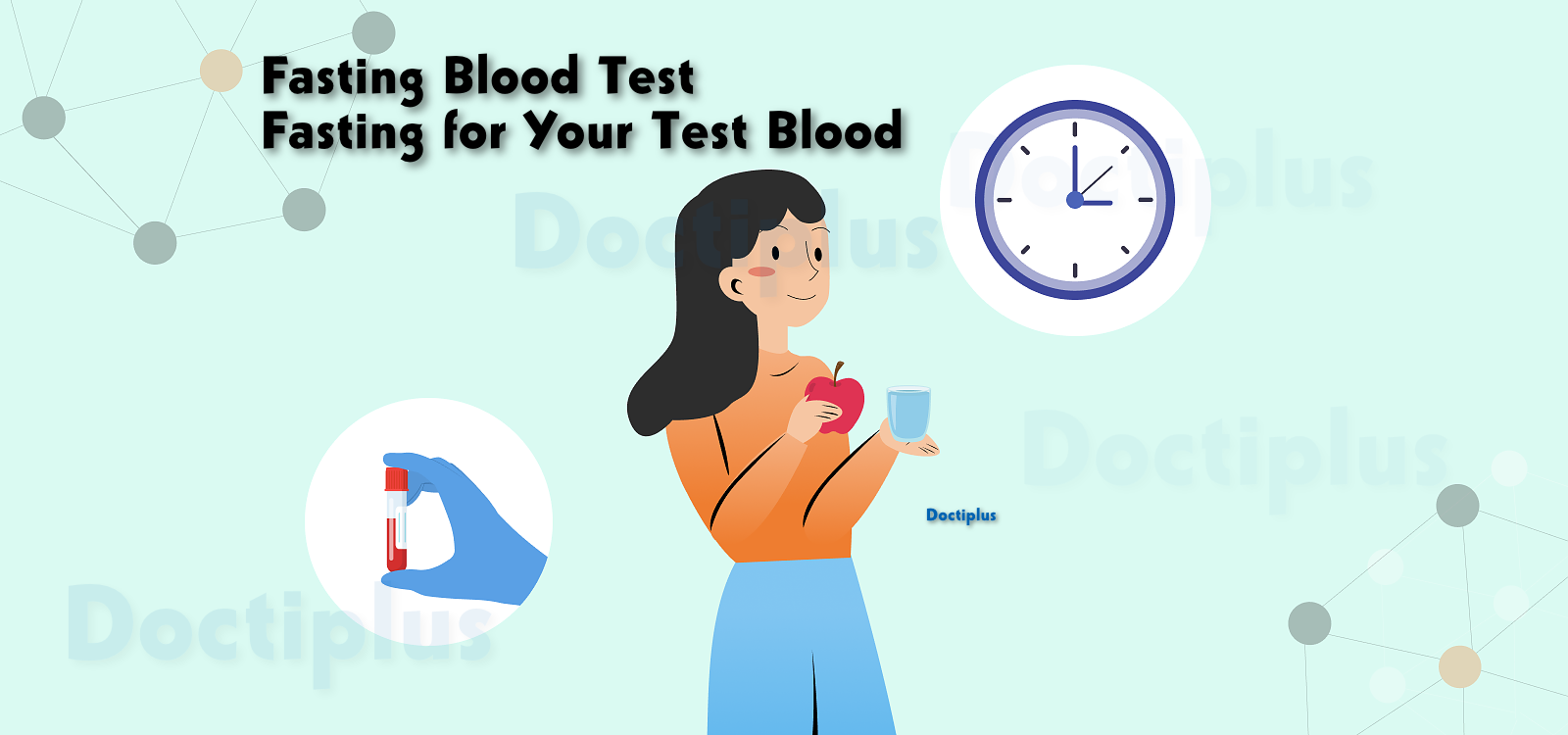
Fasting Blood Test: Fasting for Your Test Blood
Fasting blood tests are a common method to assess various health parameters, such as blood glucose levels, cholesterol, and more. The duration of fasting plays a crucial role in ensuring the accuracy of the results.
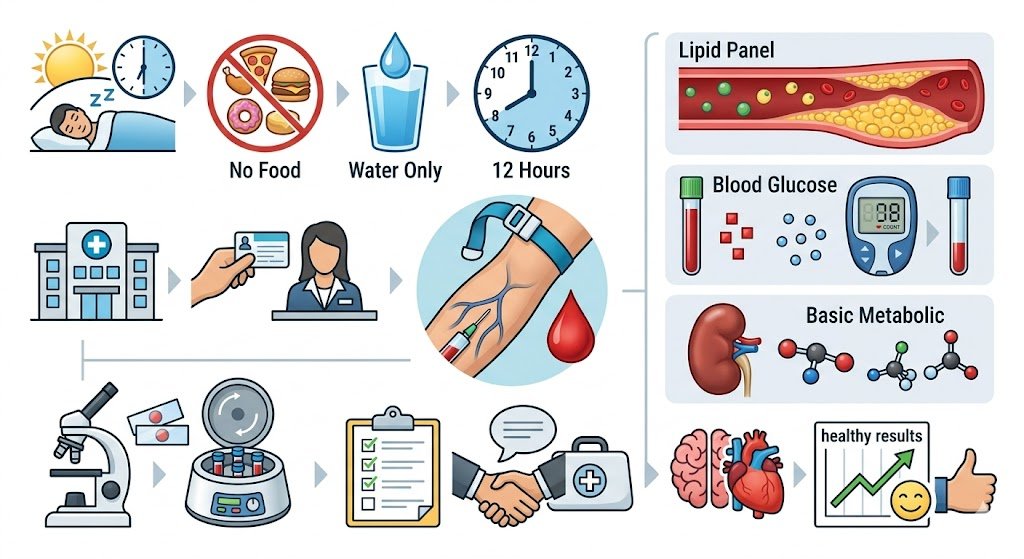
Understanding how long you should fast and why it’s important can help you prepare effectively and avoid any mistakes that might affect your test results.
Ideal Fasting Duration
For most fasting blood tests, the recommended fasting period is between 10 to 12 hours. Many individuals prefer to schedule their tests in the early morning to leverage the natural overnight fasting period. This ensures you can complete the fasting requirement without having to go without food for too long.
The reason behind the fasting period is to ensure that your body is in a baseline state. If you consume food or beverages other than water, it can alter your blood sugar levels, lipid profile, and other test results. Following the fasting guidelines helps to prevent these changes and ensures that the test results reflect your true health status.
Importance For Fasting Your Test Blood
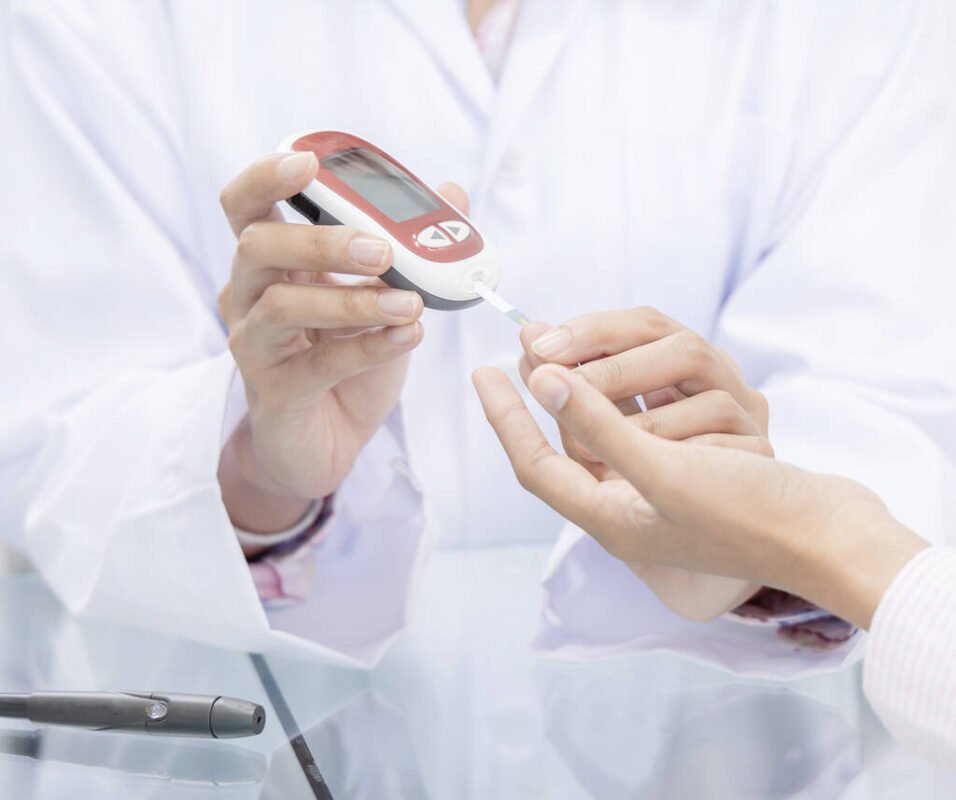
Fasting is critical for obtaining reliable and accurate blood test results. Eating or drinking anything other than water before the test can interfere with the accuracy of your results. For example, consuming food can spike your blood sugar, while certain drinks, even those without calories, can affect lipid levels.
If you inadvertently consume something during the fasting period, it’s important to inform your healthcare provider immediately. In many cases, the test may need to be rescheduled to ensure that the results are valid.
Specific Blood Tests Requiring Fasting
Some blood tests specifically require fasting to ensure accurate results. Here are two key examples:
Fasting Blood Glucose Test
This test is essential for assessing blood sugar levels and diagnosing or managing diabetes. Fasting ensures that the results reflect your body’s natural glucose metabolism, not the influence of recently consumed food. An inaccurate reading from food consumption could lead to misdiagnosis or incorrect management plans.
Lipid Profile Test
A lipid profile measures cholesterol levels, including LDL (bad cholesterol), HDL (good cholesterol), and triglycerides. Fasting ensures that the test results are not skewed by food intake, providing a true picture of your cholesterol levels.
Hemoglobin A1C Test
Unlike other fasting blood tests, the Hemoglobin A1C test doesn’t require fasting. This test reflects your average blood glucose levels over the past 2–3 months and is an important marker for diagnosing and managing diabetes.
Normal A1C levels are under 5.7%, while levels between 5.7% and 6.4% suggest pre-diabetes, and levels of 6.5% or higher typically indicate diabetes.
Fasting Guidelines for Blood Tests
Here are key points to follow when preparing for a fasting blood test:
Drinking Water During Fasting
Staying hydrated is crucial during the fasting period. You are allowed to drink plain water before the test. This helps maintain hydration without affecting your test results. Avoid flavored waters, teas, or any drinks with added ingredients, as these could interfere with test accuracy.
Medication Considerations
In most cases, you can take your prescribed medications, including over-the-counter medications, before a fasting blood test. However, it’s essential to inform your healthcare provider about any medications or supplements you are taking. Some medications may need to be adjusted or temporarily stopped before the test to avoid interference with the results.
Fasting Preparation Tips
Proper preparation is essential to ensure that your fasting blood test is conducted smoothly. Here are some tips to keep in mind:
What to Avoid Before the Test
- Ideal Fasting Duration: You should typically fast for 8 to 12 hours before the test, depending on the specific test.
- Water Intake: Drinking water is permitted and encouraged, but avoid other beverages like coffee or tea, as their ingredients (like caffeine) can affect certain test results.
- Accidental Consumption: If you accidentally eat or drink something before your test, inform your healthcare provider. This may require rescheduling the test to ensure that your results are not compromised.
Handling Forgotten Fasting
If you forget to fast or consume something before your test, be upfront with your healthcare provider. It’s essential to communicate the error so that the provider can determine if the results need to be adjusted or if you need to be retested.
Post-Blood Test Care
Once the blood sample has been collected, proper care and hydration should follow to ensure your body recovers smoothly.
Ending the Fast
After your blood test is completed, it’s important to break the fast with a light snack or meal. This helps replenish your body’s energy stores after an extended period without food.
Hydration After the Test
Ensure that you drink plenty of water after the test to stay hydrated. However, refrain from consuming coffee or other caffeinated beverages, as they can interfere with certain tests even after the sample has been taken.
Conclusion
Fasting blood tests are an essential part of maintaining and monitoring your health. Understanding the fasting requirements, adhering to them, and preparing accordingly will help you achieve the most accurate test results. By following the guidelines on water intake, medications, and fasting duration, you ensure that the results of your blood test reflect your true health status, providing valuable insights for your healthcare provider.