

How Much Do Braces Cost? A Complete Breakdown by Type and Coverage

How much do braces cost is one of the most searched dental questions online. Orthodontic treatment is a significant investment with prices that vary widely by type, complexity, and location. This guide breaks down braces cost by type, covers additional expenses, insurance options, and how to make treatment more affordable.
Why braces cost varies so much
No two orthodontic cases are identical, and numerous factors drive the wide price range you see when researching how much braces cost:
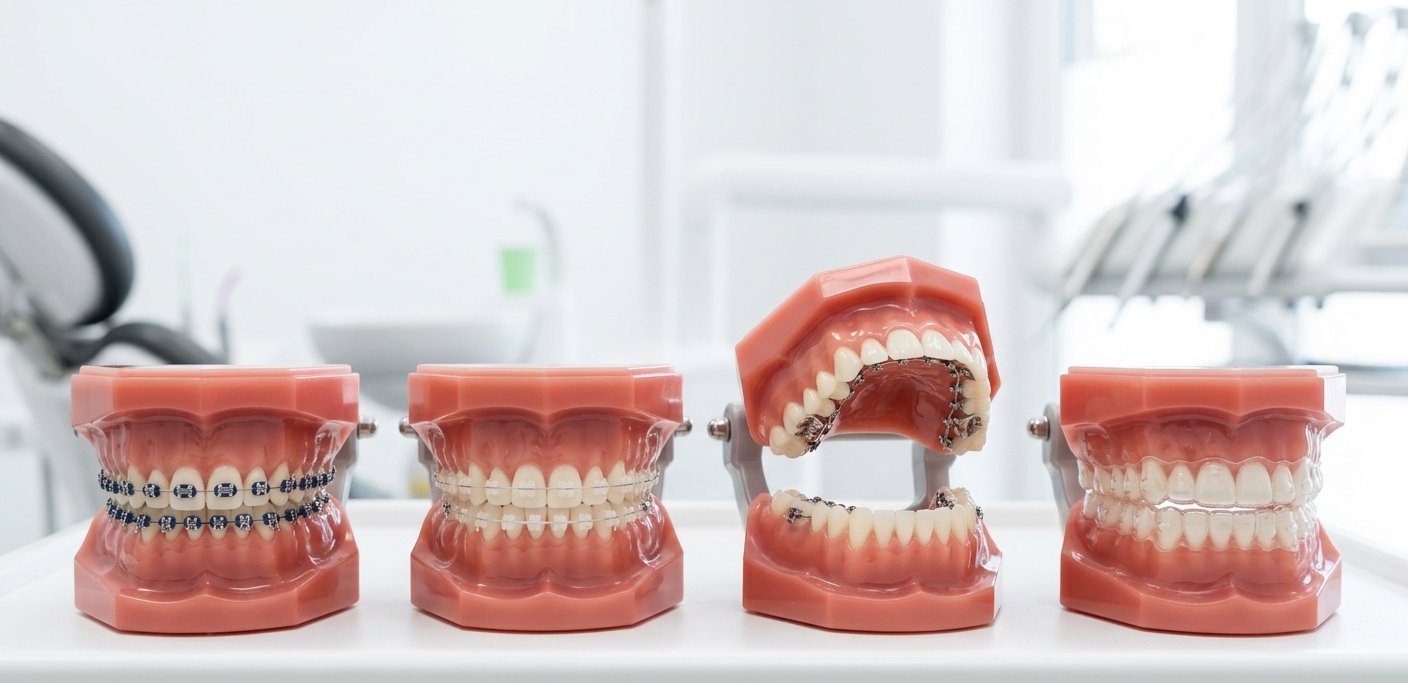
- Type of braces: metal brackets, ceramic, lingual, or clear aligners, each carries different materials and lab costs.
- Case complexity: mild spacing issues cost less to treat than severe crowding, jaw misalignment, or adult tooth movements.
- Treatment duration: Longer treatment requires more office visits and adjustments.
- Geographic location: Orthodontists in major metropolitan areas typically charge more than those in smaller cities.
- Patient age: Adult treatment often costs slightly more than pediatric treatment because adult bone is less responsive.
- Orthodontist experience: Board-certified orthodontists with specialist credentials may charge more than general dentists offering orthodontic services.
Braces cost analysis by type
The table below shows typical United States cost ranges for each major type of braces. All figures are approximate and reflect 2026 market pricing. Always request a customized quote from at least two providers.
| Type | Typical cost (USD) | Treatment time | Best for |
| Traditional metal | 3,000 to 7,000 | 18 to 36 months | All ages, complex cases |
| Ceramic | 4,000 to 8,000 | 18 to 36 months | Teens and adults |
| Lingual (behind teeth) | 8,000 to 10,000+ | 18 to 36 months | Adults, high visibility concern |
| Clear aligners | 3,000 to 8,000 | 6 to 24 months | Mild to moderate cases |
| Self-ligating braces | 3,500 to 8,000 | 18 to 36 months | All ages |
Traditional metal braces
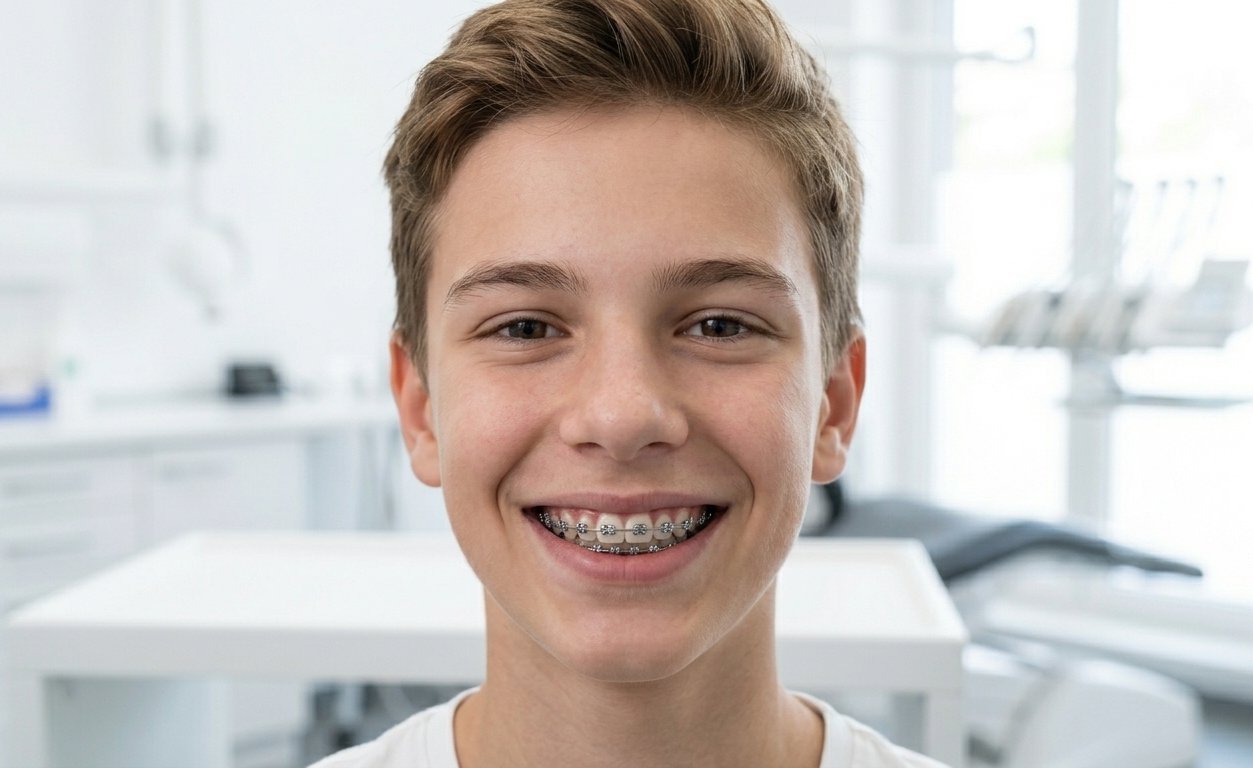
Metal braces are the most affordable and durable option. Brackets bond to each tooth and connect via an archwire tightened at each appointment. They treat complex cases that clear aligners cannot.
Brackets are more visible, making them most popular with younger patients. Newer low-profile designs are smaller than older versions.
Ceramic braces
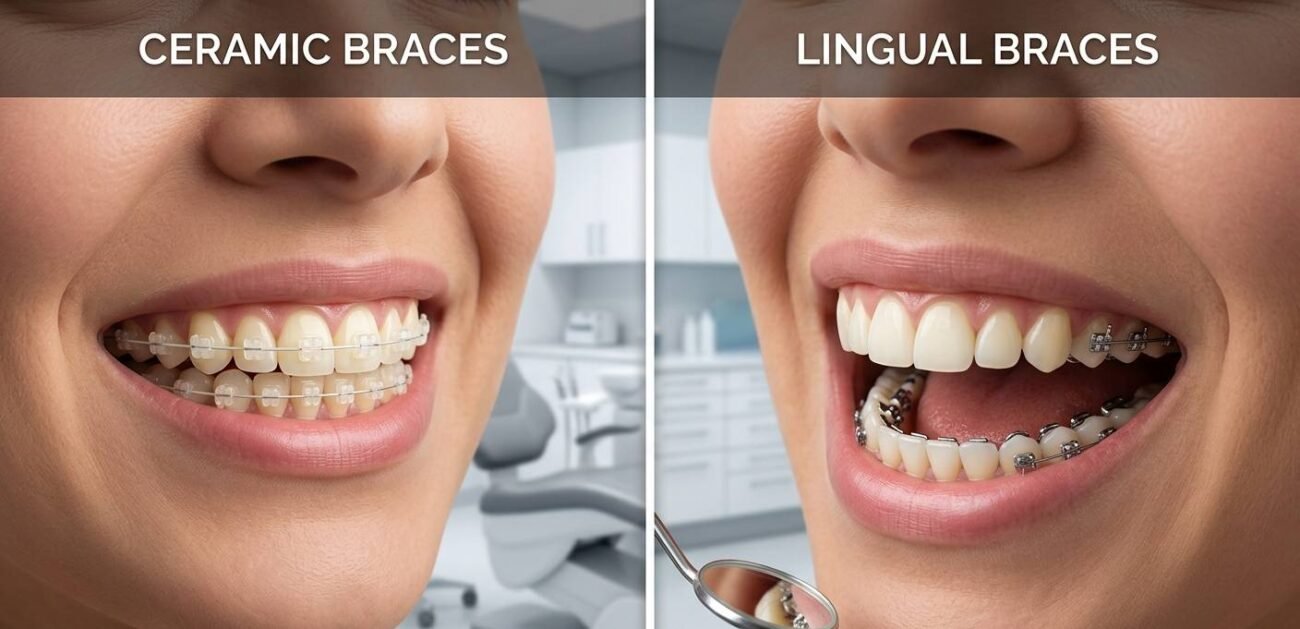
Ceramic braces use tooth-colored brackets that mix with enamel, making them far less visible day-to-day and popular with older teens and adults.
Ceramic brackets are more fragile than metal and can stain with coffee or tea. They typically cost 1,000 to 2,000 dollars more than equivalent metal treatment.
Lingual braces
Lingual braces attach to the tongue-facing side of teeth, making them invisible from the front. Custom fabrication for each patient is why they carry the highest price tag.
They cause more tongue soreness and speech adjustment initially and suit adults who prioritize complete aesthetic invisibility.
Clear aligners
Clear aligners are a series of removable transparent trays that gradually shift teeth. They are nearly invisible, comfortable, and allow normal eating and oral hygiene. The American Association of Orthodontists notes that aligners are most effective for mild to moderate cases and may not be suitable for severe crowding or significant bite correction.
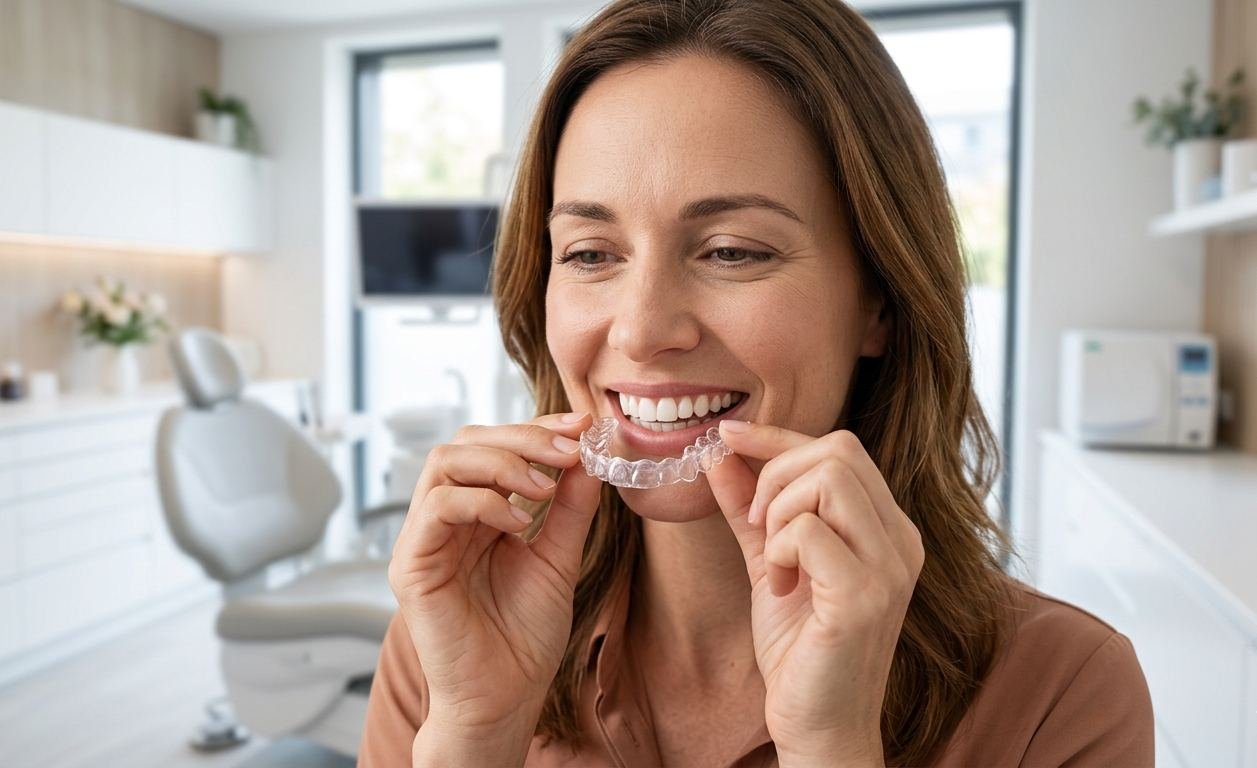
Aligners must be worn 20 to 22 hours per day. Non-compliance extends treatment time significantly. For more on sustaining oral health during treatment, see our guide to oral hygiene best practices.
Additional costs to budget for
The quoted price is rarely the total braces cost. Budget for these additional items:
- Initial consultation: Many orthodontists offer a free first visit, but some charge 50 to 150 dollars.
- X-rays and diagnostic records: 100 to 400 dollars if not included in the treatment fee.
- Retainers after treatment: 150 to 600 dollars, depending on type. Retainers are mandatory for maintaining results. See our guide to
- Retainer care after braces: What to expect.
- Repair visits: broken brackets or lost aligners may incur a fee of 25 to 100 dollars per incident.
- Emergency appointments outside regular hours: variable cost.
Total out-of-pocket costs, including retainers, can add 500 to 1,500 dollars beyond the quoted price. Ask for a full written estimate before signing anything.
Does insurance cover braces?
Many dental plans include orthodontic coverage. Key things to confirm before relying on insurance:
- Most plans cover orthodontics for patients under age 18, with a lifetime maximum benefit of 1,000 to 2,000 dollars.
- Adult orthodontic coverage is less common but does exist in some employer-sponsored and marketplace plans.
- Plans typically cover 50 percent of orthodontic fees up to the lifetime maximum, not the full treatment cost.
- Pre-authorization is usually required before starting treatment. Skipping this step can result within denied claims.
- Some plans exclude clear aligners entirely or cover them only at the metal braces rate.
Call your insurance provider before your first orthodontic appointment to confirm coverage specifics. For a wider overview, see our article on understanding dental insurance coverage on Doctiplus. The American Dental Association recommends getting the orthodontist’s billing code list and comparing it with your plan’s orthodontic benefit schedule.
Ways to reduce the cost of braces
- Dental schools: accredited dental school orthodontic clinics offer treatment at 50 to 70 percent of private practice rates, supervised by experienced faculty.
- Payment plans: most orthodontic offices offer in-house monthly payment plans with zero or low interest, spreading the braces cost over the treatment period.
- FSA and HSA accounts: orthodontic treatment qualifies as a medical expense under Flexible Spending Accounts and Health Savings Accounts. Pre-tax dollars reduce the effective cost.
- Dental discount plans: membership-based discount programs (not insurance) offer reduced fees at participating providers. Useful for adults without orthodontic insurance benefits.
- Compare at least two to three quotes: orthodontic pricing is not standardized. Getting multiple estimates for the same treatment type frequently reveals price differences of 1,000 dollars or more.
- Start treatment at the right time: for children, beginning at the age recommended by the orthodontist (typically 10 to 14) avoids more complex and expensive adult corrections later.
Is the investment worth it?
Properly aligned teeth are easier to clean, reducing cavities and gum disease risk. A corrected bite reduces enamel wear, jaw strain, and headaches. Clinical outcomes research reliably documents confidence improvements after treatment.
The American Association of Orthodontists notes that untreated misalignment often becomes more difficult and more expensive to correct over time. For context on what misalignment involves, see our guide to teeth misalignment and its effects on Doctiplus.

Frequently asked questions
What is the cheapest type of braces?
Traditional metal braces are consistently the least expensive option, ordinarily ranging from 3,000 to 7,000 dollars in the United States. They are also the most effective for complex cases. If cost is the primary concern and aesthetics are secondary, metal braces offer the best value for most patients.
How much do braces cost for adults?
Adult braces generally cost 10 to 20 percent more than pediatric treatment for the same type, because adult bone is denser and treatment often takes longer. Expect to pay 4,000 to 8,000 dollars for metal or ceramic braces and 4,000 to 8,000 dollars for clear aligners as an adult. Insurance coverage for adults is less common but worth checking.
Can I get braces with no money up front?
Many orthodontists offer payment plans with little or no down payment required. Dental schools may also allow phased payments tied to therapy phases. Using an FSA or HSA account effectively makes the payment pre-tax, which reduces the real cost by your marginal tax rate. Discuss all financing options with the orthodontic office before declining treatment on cost grounds.
Are clear aligners cheaper than braces?
Not always. Clear aligner costs overlap significantly with metal and ceramic braces. Simple cases may be treated with aligners at the lower end of the range, making them competitive. Complex cases that require additional refinement trays can push the cost above what equivalent bracket treatment would cost. Get a case-specific quote rather than assuming one is cheaper.
Does getting braces hurt?
There is discomfort after each tightening appointment, generally lasting 2 to 4 days. Non-prescription painkillers and soft foods help manage this. Initial bracket placement is not usually painful. Clear aligner tray changes cause comparable brief soreness. Most patients report that the discomfort diminishes after the first few adjustments as the mouth adapts.
Final thoughts
How much do braces cost depends on type, case complexity, location, and insurance. Metal braces remain the most affordable option, while lingual braces sit at the top. Multiple quotes, FSA and HSA funds, dental schools, and checking insurance benefits in advance are the most reliable ways to reduce total braces cost. The investment typically pays off in better oral health and confidence for years after treatment ends.
This article is for informational purposes only and is not a substitute for professional medical advice, diagnosis, or treatment.
References
- American Association of Orthodontists, orthodontic treatment costs and patient resources, accessed 2026.
- American Dental Association, orthodontics overview and insurance guidance, accessed 2026.
- American Board of Orthodontics, treatment types and outcomes for patients, accessed 2026.
- Journal of Clinical Orthodontics, cost-effectiveness of orthodontic treatment options, peer-reviewed.
- Healthcare Bluebook, orthodontic fair price benchmarks by region, accessed 2026.