

Urine Test: What It Detects, How to Prepare, and What Your Results Mean

A urine test is one of the most routinely ordered, least invasive, and most information-rich tools in medicine. A single sample collected in a sterile cup can reveal signs of kidney disease, urinary tract infection, diabetes, liver problems, and more, often before you feel any symptoms at all.
Yet the process can feel like a black box. You hand over a sample, wait, and get back a report full of abbreviations and values you have never seen before. What is leukocyte esterase? Why does your doctor care whether your urine is cloudy? And what counts as a normal urine test result?
This guide answers all of it. You will learn what a urinalysis actually examines, how to prepare properly, how to collect your sample the right way, and how to read your results with confidence.
What Is a Urine Test?
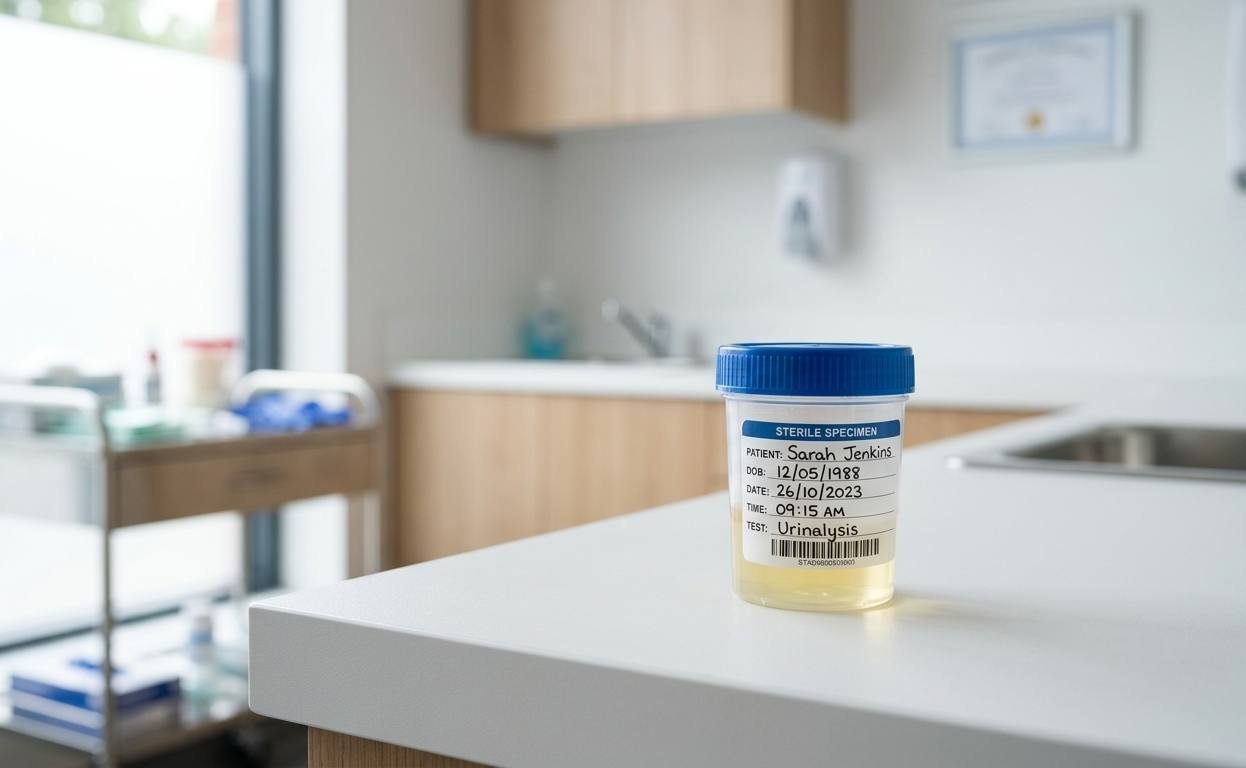
A urine test, also called a urinalysis, is a laboratory examination of urine that evaluates its physical appearance, chemical composition, and microscopic contents. This quick, non-invasive test can detect signs of kidney disease, UTI, diabetes, liver problems, blood or protein in the urine, and abnormal pH or specific gravity—often before symptoms appear.
Doctors order a urine test for many reasons, including:
- Suspected urinary tract infection (UTI)
- Kidney disease screening or monitoring
- Diabetes diagnosis or blood sugar control
- Pregnancy check-ups and preeclampsia screening
- Liver function assessment
- Pre-operative health evaluation
- Investigating unexplained fatigue, back pain, or swelling
When something goes wrong in the body, the kidneys often register the disturbance early. Getting a routine health screening that includes a urinalysis can catch problems at a stage when treatment is most effective.
Four Types of Urine Tests
Not every urine test is the same. The type your doctor orders depends on what they are looking for.
| Test Type | What It Examines | Common Uses | Turnaround Time |
| Dipstick (Chemical) | pH, protein, glucose, blood, ketones, nitrites, leukocyte esterase | UTI screening, diabetes, and kidney disease | Minutes to 1 hour |
| Microscopic Analysis | Red and white blood cells, casts, crystals, bacteria | Detailed kidney evaluation, hematuria workup | 2 to 4 hours |
| Urine Culture | Bacterial growth and antibiotic sensitivity | Confirms UTI, identifies the causative organism | 24 to 72 hours |
| 24-Hour Collection | Protein excretion, creatinine clearance, electrolytes, hormones | Chronic kidney disease staging, endocrine disorders | Processed after full collection |
Most standard urinalyses combine the dipstick and microscopic tests into one workup. Your doctor will specify if a culture or 24-hour collection is also needed.
Urine Test Preparation: What to Do Before Your Appointment
Good urine test preparation takes less than a day and can make the difference between a clean result and a repeat visit.
General Preparation Tips
- Hydrate moderately. Drink enough water to produce a sample comfortably, but do not over-hydrate. Avoid foods like beets or rhubarb before your test, as well as high-dose vitamin C, which can affect results.
- Avoid certain foods for 24 hours before testing. Beets, blackberries, and rhubarb can discolor urine and mimic blood on a dipstick. High-dose vitamin C can cause false-negative readings for glucose and blood.
- Disclose all medications and supplements, and skip intense exercise the day before. Many drugs alter urine color or interfere with chemical reactions on the dipstick. This includes antibiotics, diuretics, B-complex vitamins, and pain relievers.
- Skip intense exercise for 24 hours beforehand. Strenuous physical activity can temporarily push protein and blood into the urine, producing false-positive results.
- Tell your doctor if you are menstruating. Menstrual blood can contaminate the sample and skew red blood cell and protein readings. Your doctor may advise you to delay the test or use a tampon during collection.
Preparing for a 24-Hour Urine Collection
You will receive a large collection container from your clinic or lab. On collection day, discard your first morning void, then collect every subsequent urine sample in the container for exactly 24 hours, ending with the following morning’s first void. Keep the container refrigerated throughout. Missing even one void can invalidate the entire collection.
How to Collect a Urine Sample Correctly
Proper urine sample collection is critical. The standard method is the clean-catch midstream technique, which minimises contamination from the skin and surrounding tissue. Contaminated samples can show false bacteria, cells, or abnormal proteins that lead to unnecessary treatment.
Follow these steps:
- Wash your hands thoroughly with soap and water.
- Open the sterile collection cup without touching the inside of the lid or rim.
- Clean the urethral opening with the antiseptic wipes provided. For women: spread the labia and wipe front to back, using a fresh wipe for each stroke. For men: retract the foreskin if applicable and wipe the tip of the penis.
- Begin urinating into the toilet. Without stopping the stream, position the cup to catch the middle portion of the flow.
- Remove the cup before you finish urinating. Discard the first and last portions of the stream.
- Seal the cup immediately and label it as instructed.
- Deliver the sample to the lab within one hour. If there is a delay, refrigerate it; most labs accept refrigerated samples up to four hours after collection.
Getting this right the first time matters. Wash your hands, clean the area thoroughly, collect the midstream portion in a sterile container, avoid touching the inside of the cup, and deliver the sample promptly to prevent contamination. Otherwise, a contaminated sample requires repeat collection, delays your diagnosis, and can result in unnecessary antibiotic prescriptions.
What Does a Urine Test Detect?
A complete urinalysis evaluates urine across three dimensions: physical properties, chemical properties, and microscopic contents. Urine tests, or urinalysis, can help detect a wide range of health conditions, including kidney disease, urinary tract infections (UTIs), diabetes, liver disease, blood in the urine (hematuria), protein in the urine (proteinuria), abnormal pH or specific gravity, and even systemic conditions such as lupus nephritis or preeclampsia. Often, urinalysis provides early warning signs for these issues before symptoms appear.
Physical Properties
This is the visual assessment, performed before any chemistry.
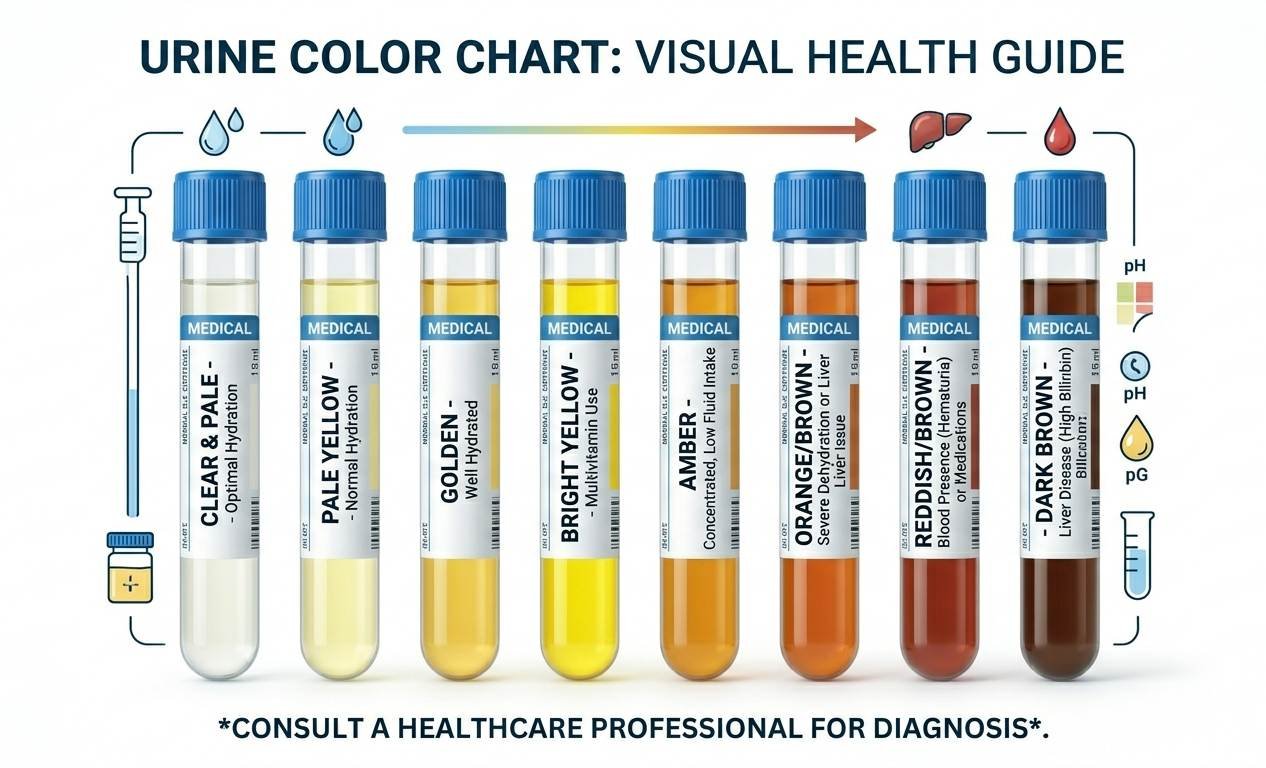
Color ranges from pale straw to deep amber based on hydration. Very pale urine suggests over-hydration or possibly diabetes insipidus. Dark amber or brown urine may indicate dehydration, liver disease, or certain medications. Pink or red urine can mean blood, beets, or drugs like rifampin. Orange urine can reflect high-dose B vitamins or bile pigments from liver stress.
Clarity is normally clear to slightly hazy. Cloudiness can point to infection, white blood cells, mucus, or crystals. Persistent foaming may suggest excess protein, a potential sign of kidney disease.
Specific gravity measures how concentrated the urine is. A very low reading indicates dilute urine; a very high reading means the kidneys are working hard to conserve water, which can occur with dehydration or reduced kidney function.
Urine Color and Clarity Reference
| Urine Appearance | Possible Cause | Action |
| Pale straw to yellow | Normal, well-hydrated | None needed |
| Colorless | Over-hydration, diabetes insipidus | Review if persistent |
| Dark amber | Dehydration, liver disease | Hydrate; seek review if persistent |
| Pink or red | Blood, beets, rifampin, UTI | Investigate if not food-related |
| Orange | B vitamins, bile pigment, pyridium | Review medications |
| Brown or cola-colored | Liver disease, rhabdomyolysis | Seek prompt medical review |
| Cloudy | Infection, crystals, white blood cells | Lab analysis needed |
| Foamy | Excess protein, kidney disease | Repeat test and renal workup |
Chemical Properties (Dipstick)
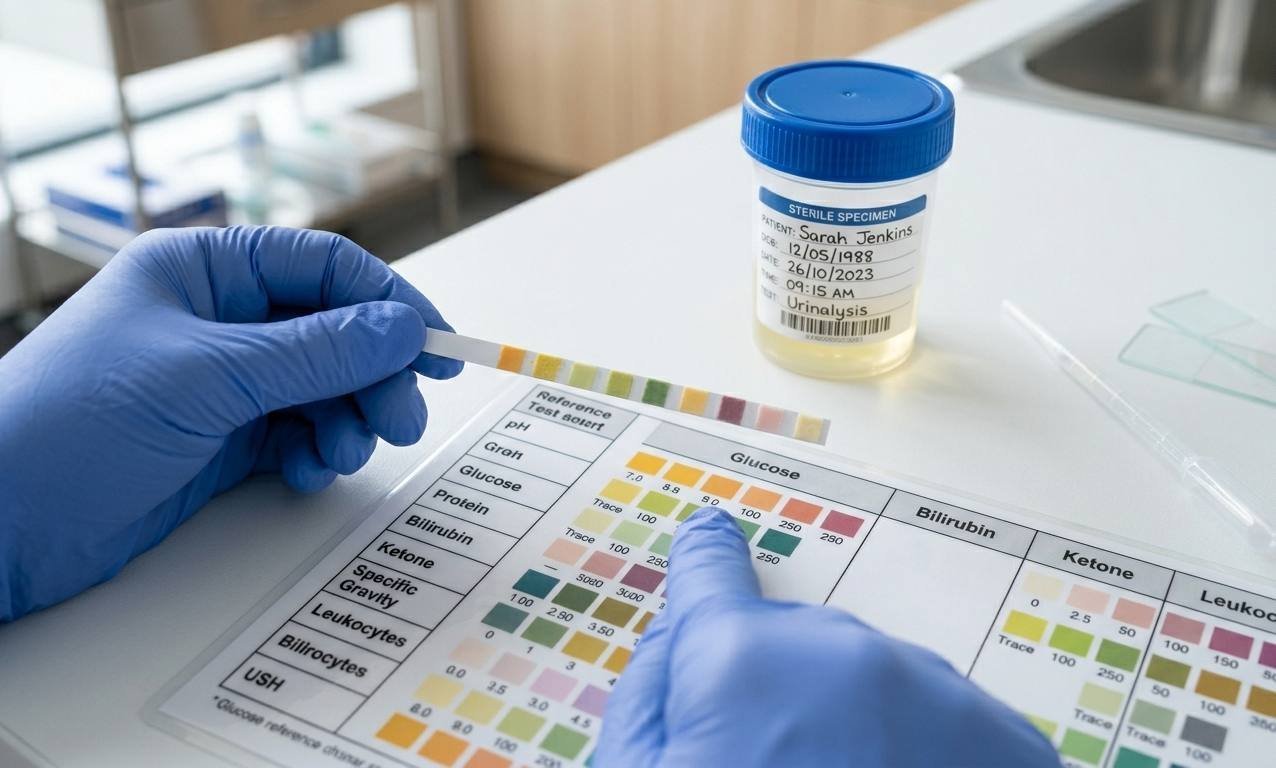
The dipstick is a plastic strip with reagent pads that react to different substances. Results are reported as negative, trace, 1+, 2+, or 3+.
pH: Normal urine is mildly acidic, between 4.5 and 8.0. Persistently alkaline urine can indicate a UTI caused by urea-splitting bacteria. Very acidic urine may suggest kidney stones, gout, or poorly controlled diabetes.
Protein: The kidneys should retain most protein. Protein in urine (proteinuria) can be temporary from fever or exercise, or persistent, which signals kidney damage. This is particularly important to monitor in patients being assessed for chronic illness.
Glucose: Healthy kidneys reabsorb all glucose. Glucose in urine (glucosuria) typically means that blood sugar exceeded the kidneys’ reabsorption threshold, a hallmark finding in uncontrolled diabetes mellitus.
Ketones: The body produces ketones when it burns fat instead of glucose. Ketones appear in urine during prolonged fasting, very low-carbohydrate diets, or diabetic ketoacidosis, which is a medical emergency.
Blood (Hematuria): Red blood cells in urine may be visible to the naked eye or detectable only under a microscope. Causes range from kidney stones and UTIs to bladder or kidney cancer. Any confirmed hematuria warrants further investigation, even if you feel fine.
Nitrites: Certain bacteria convert urinary nitrates into nitrites. A positive result is a strong indicator of bacterial infection. When paired with leukocyte esterase, it significantly raises the likelihood of a UTI.
Leukocyte esterase: This enzyme is released by white blood cells. A positive reading points to urinary tract inflammation or infection.
Bilirubin and urobilinogen: These bile-related substances appear in urine when the liver is stressed. Elevated levels may indicate hepatitis, cirrhosis, or bile duct obstruction.
Microscopic Analysis
A centrifuged urine sample is examined under a microscope to detect cells, casts, crystals, and organisms.
Red blood cells: More than 3 per high-power field is abnormal and requires follow-up.
White blood cells: Elevated counts (pyuria) suggest infection or inflammation. Combined with a positive nitrite and clinical symptoms, pyuria confirms a UTI.
Casts: These are protein structures that form in the kidney tubules. Hyaline casts are often benign and appear with dehydration or exertion. Granular, waxy, or red cell casts indicate active kidney disease and always require urgent evaluation.
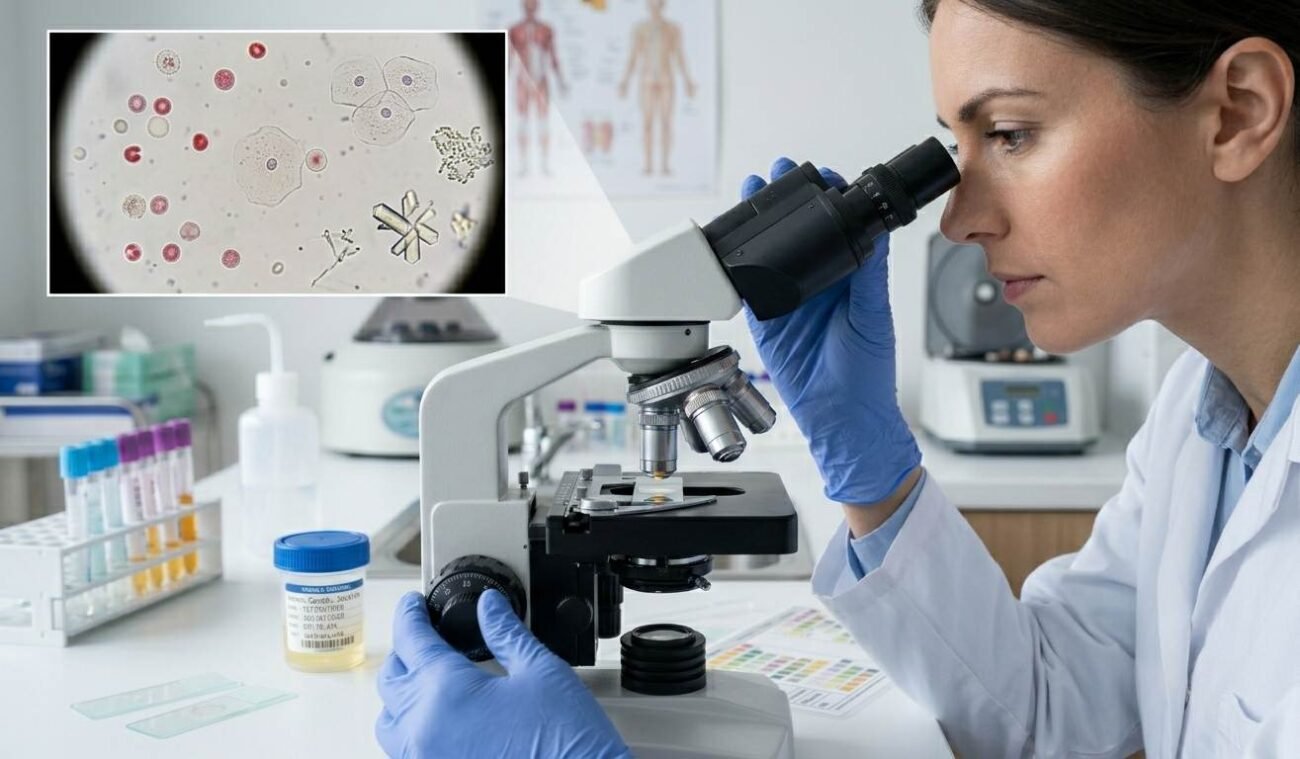
Crystals: Some crystals are harmless. Calcium oxalate, uric acid, and struvite crystals can be associated with kidney stones or metabolic disorders.
Bacteria and yeast: Bacteria in a well-collected, clean-catch sample indicate infection. Yeast, typically Candida, can suggest a fungal UTI, most often in patients on long-term antibiotics or those who are immunocompromised.
Conditions a Urine Test Can Help Diagnose
A urinalysis contributes to the diagnosis or monitoring of a wide range of conditions, including:
- Urinary tract infections and kidney infections (pyelonephritis)
- Chronic kidney disease and glomerulonephritis
- Diabetes mellitus and diabetic nephropathy
- Kidney stones
- Bladder cancer (when blood is persistently detected without infection)
- Liver disease, including hepatitis and cirrhosis
- Preeclampsia during pregnancy
- Systemic lupus erythematosus with lupus nephritis
Urine tests are frequently combined with blood tests to build a fuller picture. Conditions like arthritis and related autoimmune diseases can cause kidney inflammation that appears in urine long before joint damage shows up on imaging. Similarly, understanding how vitamin B12 deficiency affects the body often involves reviewing urinary markers alongside blood levels, particularly in patients with fatigue or neuropathy symptoms.
Foods and Medications That Can Skew Your Results
| Substance | Effect on Urine Test Results |
| Beets and rhubarb | Red or pink discoloration may mimic blood |
| Blackberries | Pink or red urine |
| High-dose vitamin C | False-negative glucose and blood on the dipstick |
| Rifampin (antibiotic) | Orange-red urine |
| Pyridium (phenazopyridine) | Bright orange urine interferes with dipstick pads |
| Metronidazole | Darkens urine |
| Diuretics | Dilutes the sample, may lower specific gravity readings |
| B-complex vitamins | Can cause false-negative dipstick reactions |
| Metformin | Associated with altered glucose readings in some studies |
| Asparagus | Strong odor (metabolic, not a diagnostic issue) |
Always give your doctor and the lab a full list of what you are taking before the test.
Understanding Normal Urine Test Results vs. Abnormal Findings
“A urine result never tells the whole story on its own,” says Dr. Helena Chen, MD, MRCP, a board-certified internal medicine physician. “We interpret it in the context of the patient’s symptoms, medications, and history. One flagged value is not a diagnosis.”
For a healthy adult, normal urine test results typically show no protein, glucose, blood, nitrites, or ketones, a pH between 4.5 and 8.0, a specific gravity between 1.005 and 1.030, and no significant cells or casts on microscopy. These values help your doctor determine whether your kidneys, urinary tract, and other body systems are functioning properly.
Here is how common abnormal findings are interpreted:
| Finding | Possible Meaning | Recommended Next Step |
| Positive nitrites and leukocyte esterase with symptoms | UTI | Antibiotic treatment; consider urine culture |
| Protein 2+ or higher on two or more occasions | Kidney disease | Repeat test, renal function blood panel |
| Positive glucose | Uncontrolled diabetes | Fasting glucose and HbA1c test |
| Blood (microscopic or visible) | Kidney stone, infection, or malignancy | Imaging and urology referral |
| Positive ketones | Fasting, ketogenic diet, or diabetic ketoacidosis | Clinical assessment, especially if diabetic |
| Red cell casts | Active glomerulonephritis | Urgent nephrology referral |
| Very low specific gravity | Over-hydration or diabetes insipidus | Review clinical context and repeat |
| Squamous epithelial cells on microscopy | Sample contamination | Repeat with proper clean-catch technique |
Identifying iron deficiency anemia or other nutrient deficiencies through blood tests is often done alongside urinalysis in patients presenting with fatigue, as both tests together provide a more complete picture of what is driving symptoms.
Frequently Asked Questions About Urine Tests
How long does a urine test take to get results?
A dipstick result takes minutes. A full urinalysis with microscopy takes two to four hours. A urine culture takes 24 to 72 hours. A 24-hour collection is processed after the full collection period.
Do I need to fast before a urine test?
Fasting is not required for most routine urinalyses. If your doctor ordered a combined fasting blood and urine panel, follow the fasting instructions for the blood test, and they will apply to both.
What are normal urine test results?
A normal urinalysis shows no protein, no glucose, no blood, no nitrites, no ketones, a pH of 4.5 to 8.0, a specific gravity of 1.005 to 1.030, and no significant cells or casts under the microscope.
Can a urine test detect pregnancy?
Home pregnancy tests and some clinic urine tests detect human chorionic gonadotropin (hCG). A standard diagnostic urinalysis does not routinely screen for hCG unless your doctor specifically requests it.
Can a negative dipstick rule out a UTI?
Not entirely. A negative leukocyte esterase and nitrite result makes a UTI less likely, but some organisms do not produce nitrites. If your symptoms are strong, your doctor may order a culture regardless.
What makes a urine sample contaminated?
Contamination happens when bacteria or cells from the skin or surrounding area enter the cup during collection. Signs include squamous epithelial cells on microscopy or mixed bacterial growth on culture. A repeat clean-catch or catheterized sample may be needed.
What is a urine albumin-to-creatinine ratio test?
The albumin-to-creatinine ratio (ACR) is a more sensitive test for early kidney damage, particularly in people with diabetes or high blood pressure. An ACR above 30 mg per gram on two or more separate occasions indicates significant protein loss and warrants closer monitoring.
Conclusion
A urine test is a straightforward, low-risk procedure with a surprisingly wide diagnostic reach. Understanding what a urinalysis examines, following proper urine test preparation steps, collecting your urine sample correctly, and knowing what normal urine test results look like puts you in a far stronger position as a patient. Whether your doctor ordered it for a suspected infection, a chronic condition, or a routine check-up, the information a urinalysis provides is worth taking seriously. If anything in your results is flagged, use it as a starting point for conversation, not a cause for alarm.
Medical Disclaimer: The information provided in this article is for educational purposes only and is not intended as medical advice. Always consult a qualified healthcare professional before making any decisions about your health, diagnosis, or treatment. Doctiplus does not endorse any specific treatments, procedures, or products mentioned in this article.
References
- Simerville JA, Maxted WC, Pahira JJ. (2005). Urinalysis: A Comprehensive Review. American Family Physician, 71(6), 1153-1162. https://www.aafp.org/pubs/afp/issues/2005/0315/p1153.html
- Deville WL, Yzermans JC, van Duijn NP, et al. (2004). The urine dipstick test useful to rule out infections. BMC Urology, 4(4). https://doi.org/10.1186/1471-2490-4-4
- Mayo Clinic Staff. (2023). Urinalysis. Mayo Clinic. https://www.mayoclinic.org/tests-procedures/urinalysis/about/pac-20384907
- Cleveland Clinic Medical Staff. (2023). Urinalysis (Urine Test). Cleveland Clinic. https://my.clevelandclinic.org/health/diagnostics/16790-urinalysis
- National Kidney Foundation. (2023). Urinalysis. NKF. https://www.kidney.org/atoz/content/urinalysis
- National Institute of Diabetes and Digestive and Kidney Diseases. (2022). Urine Tests for Kidney Disease. NIDDK, NIH. https://www.niddk.nih.gov/health-information/kidney-disease/kidney-tests
- NHS. (2022). Urine Tests. National Health Service. https://www.nhs.uk/conditions/urine-tests/