

Arrowroot Powder: Benefits, Uses, and Cooking Guide
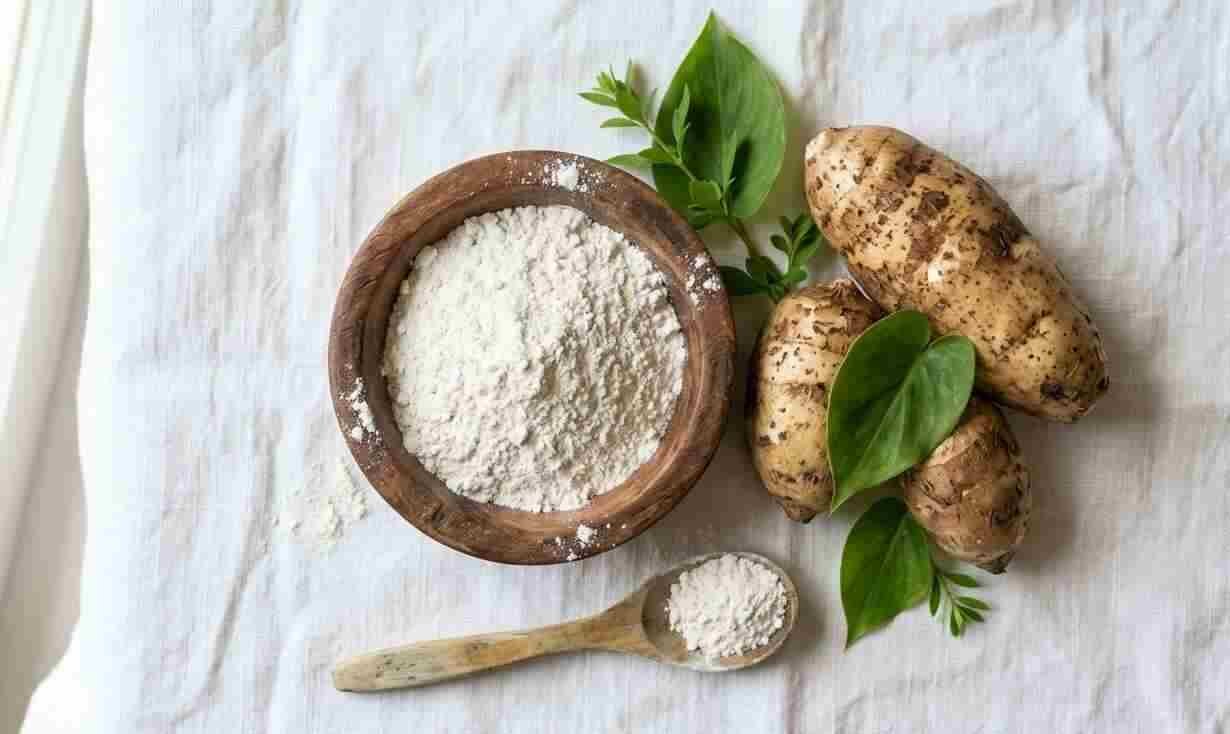
Arrowroot powder is a fine, white, plant-based starch that thickens sauces without clouding them, works perfectly in acidic recipes, and fits gluten-free, grain-free, and clean-eating diets without a second thought. You’ve probably run into the problem: your sauce stays thin no matter how long you simmer it, or your gluten-free filling turns gummy and grey. Arrowroot starch solves both. Whether you’re making a Friday night curry, a baby’s first porridge, or a fruit tart that needs to set just right, this guide covers the key arrowroot flour benefits, how to use it correctly in Indian and global cooking, and how it compares to cornstarch so you always reach for the right one.
What is arrowroot powder?
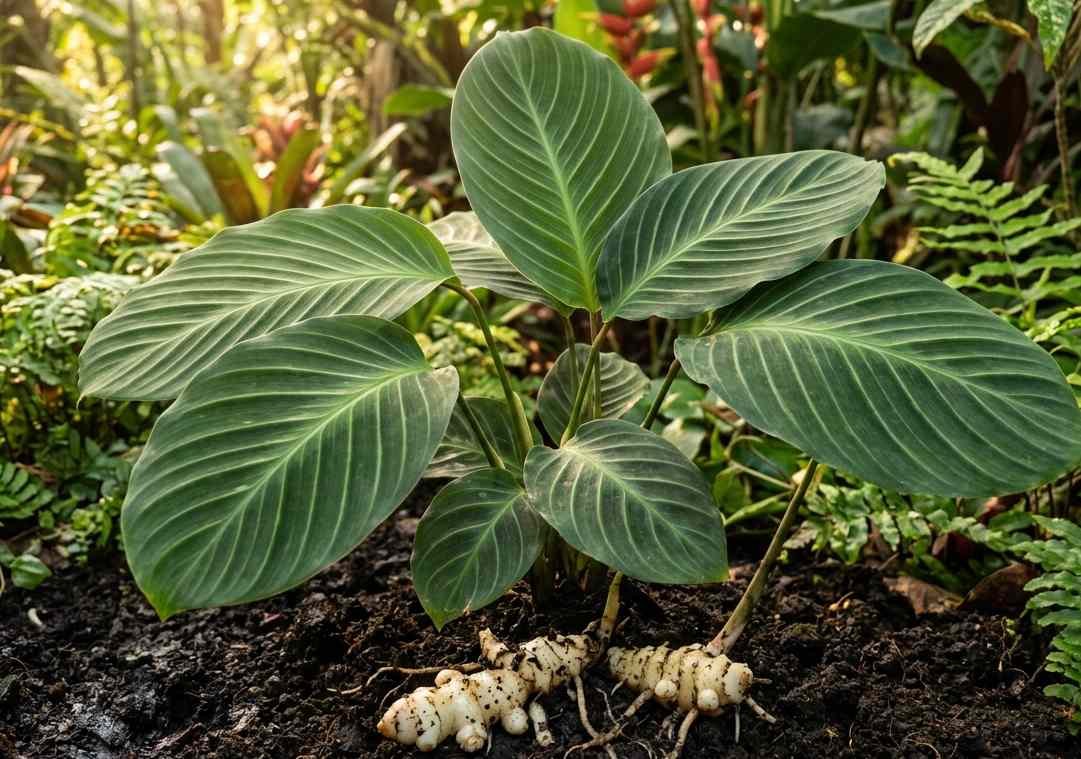
Arrowroot powder is a starch extracted from the rhizomes (underground stems) of Maranta arundinacea, a tropical plant native to South America and widely grown across Southeast Asia and India. This variety is sometimes called Bermuda arrowroot and is the most common form found in international health food stores.
In Indian markets, the term arrowroot often refers to a different plant: Curcuma angustifolia, known as East Indian arrowroot or tikhur. Both produce a similar-looking white starch with excellent thickening properties, but the East Indian variety contains slightly more minerals and has a longer history in Ayurvedic cooking. If you’re buying arrowroot powder in India, check the botanical name on the label if the source matters to you.
Both forms are processed the same way: the rhizomes are washed, pulped, strained, and dried into the soft, silky powder you find in packets.
Nutritional profile of arrowroot powder
Arrowroot powder is primarily a carbohydrate food. According to USDA FoodData Central, 100 grams of arrowroot flour provides approximately 357 calories, 88 grams of carbohydrates (almost entirely starch), less than 0.1 grams of fat, and around 0.3 grams of protein.
What lifts it above empty starch is its modest micronutrient content. Arrowroot starch provides small amounts of potassium, iron, phosphorus, and B vitamins, including folate and thiamine. The East Indian variety tends to be richer in these minerals. These amounts won’t meet your daily needs on their own, but they’re a meaningful bonus compared to highly refined starches like white cornstarch, which is stripped of nearly all nutrients during processing.
Because arrowroot starch is almost pure carbohydrate and very low in fiber, keep portion sizes reasonable if you’re monitoring blood sugar.
Arrowroot powder benefits for your health
Easy on sensitive digestion
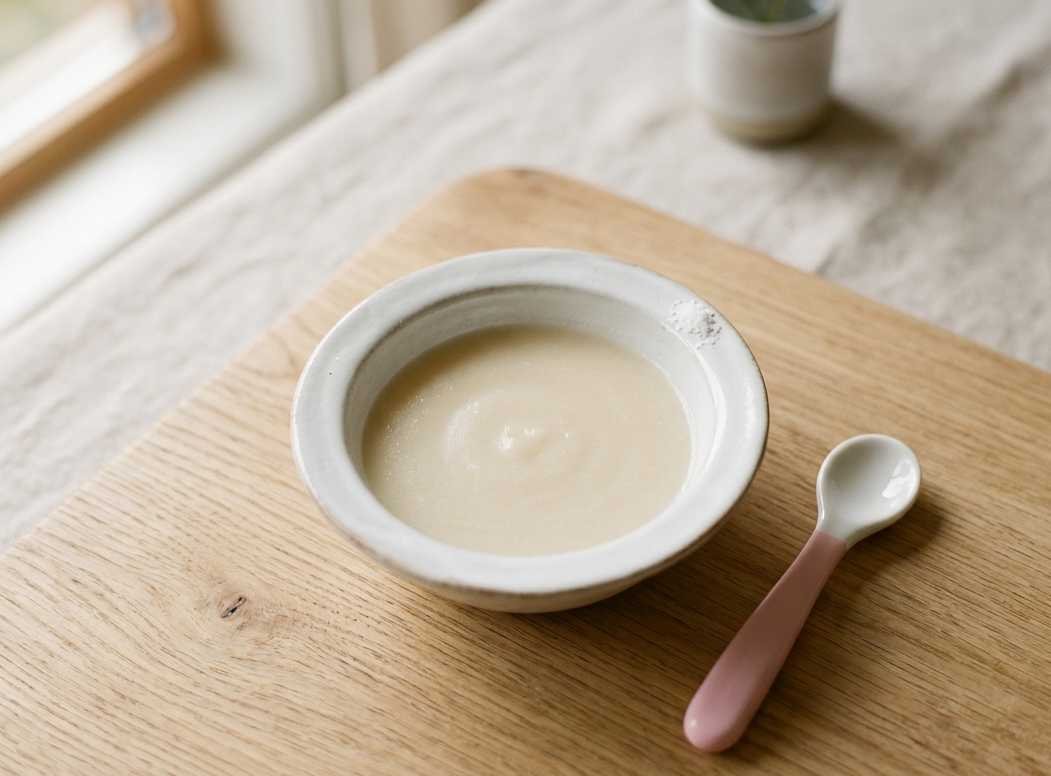
One of the most well-known arrowroot powder benefits is how gently it sits on the digestive system. Its starch granules are exceptionally fine and smooth, placing minimal strain on the gut lining. This is why arrowroot for digestion has been trusted for centuries. It appears in traditional recipes for infants, the elderly, and anyone recovering from diarrhea, stomach flu, or digestive surgery. It was a staple in colonial-era hospitals, and traditional Indian households still use it in thin porridges for sick children.
A reliable gluten-free thickener
Arrowroot powder contains zero gluten, making it one of the most dependable gluten-free thickeners available. Unlike some gluten-free flours that leave a gritty or beany aftertaste, arrowroot is completely neutral in flavor; it won’t alter the taste of your sauces or baked goods. It’s commonly used alongside almond flour or coconut flour in grain-free baking to improve texture and binding. If you’re researching gluten-free flour alternatives for Indian cooking, arrowroot is one of the most versatile options on the list.
Resistant starch and gut health potential
When arrowroot is cooked and then cooled completely, a portion of its starch converts into resistant starch. Resistant starch behaves more like fiber in the body: it passes through the small intestine undigested and feeds beneficial gut bacteria in the colon. This is the same process that makes cooled cooked rice or potatoes more gut-friendly than freshly hot versions. The effect isn’t dramatic at small culinary quantities, but it’s a genuine nutritional bonus that most starchy thickeners don’t offer. Our article on resistant starch and gut health explains the science in more detail.
A light source of minerals
Arrowroot contributes small amounts of potassium and iron, worth noting if you’re building a nutrient-dense diet from whole, minimally processed ingredients. The East Indian arrowroot (Curcuma angustifolia) tends to be richer in these minerals than the South American Maranta variety, so if you’re sourcing locally in India, you may be getting a slightly more nutritious product.
Culinary uses: arrowroot starch in Indian and global kitchens
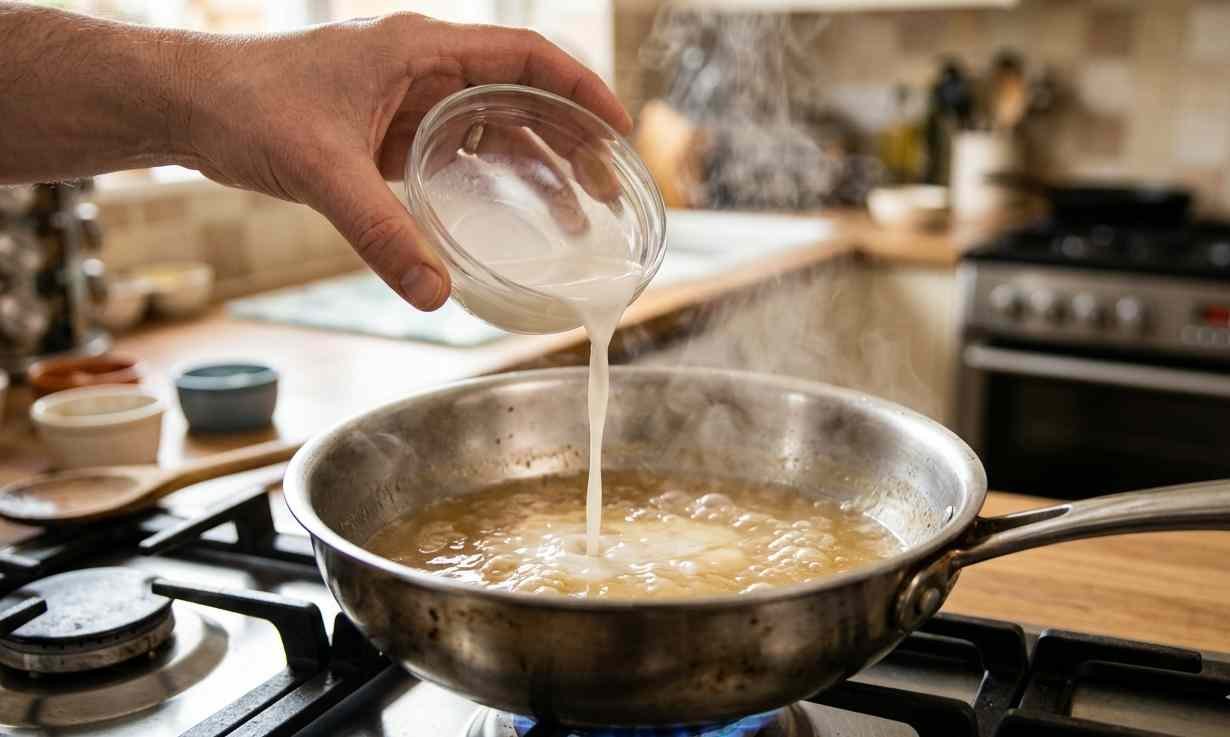
Arrowroot starch earns its place in the kitchen through sheer versatility. Here’s where it genuinely shines:
- Thickening sauces, curries, and soups. Unlike cornstarch, arrowroot leaves liquids glossy and transparent rather than cloudy and opaque. Ideal for clear gravies, Chinese-style stir fry sauces, and any dish where you want the ingredients to look vibrant.
- Crispy coatings for fried snacks. Toss your tikkis, cutlets, or pakora batter with a tablespoon of arrowroot powder, and you’ll get a noticeably crisper, lighter crust.
- Binding in gluten-free baking. Add 1 to 2 tablespoons to gluten-free roti dough, pancake batter, or cookie mixes to hold structure without adding a gummy texture.
- Traditional infant porridges. Coastal Indian families have long made paniyala, a thin arrowroot porridge fed to infants and toddlers, one of the first solid foods for babies because of its gentle, digestible nature. Our guide on safe first foods for babies covers how arrowroot fits into a weaning plan.
- Fruit pie fillings and Asian sweets. Arrowroot sets fruit fillings beautifully, producing a clear, jewel-like glaze rather than the starchy, opaque finish you get with cornstarch.
- Homemade baby teething biscuits. Sugar-free, grain-free, and extremely mild, arrowroot bakes into a firm texture that dissolves safely in a baby’s mouth.
Looking to build nutritious Indian breakfasts around whole-food ingredients like arrowroot? Our healthy Indian breakfast options guide has plenty of ideas.
Cornstarch vs arrowroot: which one should you use?
The quick answer: choose arrowroot for clear, acidic, and dairy-free sauces. Choose cornstarch for dairy-heavy dishes and anything that needs prolonged heat.
| Source | Maranta or Curcuma rhizome | Endosperm of corn |
| Thickening power | About 2 teaspoons per cup of liquid | About 1 tablespoon per cup of liquid |
| Final appearance | Glossy and clear | Cloudy and opaque |
| Works with acidic liquids | Yes, very well | Loses thickening power with acid |
| Works with dairy | Can turn slimy | Stable with dairy |
| Gluten free | Yes, naturally | Yes, but cross-contamination risk |
| GMO concern | Non GMO | Often GMO unless labeled |
When choosing cornstarch vs arrowroot, let your sauce base guide you. For a lemon chicken glaze, a berry compote, or a clear Asian broth, arrowroot wins. For a béchamel or dairy-based chowder, cornstarch is the more stable choice.
How to use arrowroot powder correctly
Arrowroot is simple once you know its two rules.
- Always make a slurry first. Mix arrowroot powder with an equal amount of cold water before adding it to anything hot. Adding the dry powder directly to hot liquid causes immediate clumping.
- Add it at the very end of cooking. Arrowroot thickens quickly, usually within 30 seconds. Once your sauce reaches the consistency you want, remove it from the heat. Continued boiling breaks down the starch chains, and your sauce will thin back out.
- Avoid prolonged high heat. Arrowroot isn’t ideal for dishes that cook for a long time or need repeated reheating. Cornstarch holds up better in those situations.
- Be careful with dairy. Arrowroot can turn sauces containing milk or cream slightly slimy or stringy. If your recipe is dairy-heavy, cornstarch is the safer call.
- Use about 2 teaspoons per 1 cup of liquid for medium thickness. Adjust by half a teaspoon depending on how thick you want the final result.
Possible side effects and precautions
Arrowroot powder is generally recognized as safe at culinary quantities. A few things are worth keeping in mind.
- Allergic reactions are rare but possible. Some individuals may be sensitive to arrowroot, particularly those with known reactions to other root vegetables or tropical starches.
- High carbohydrate content. With 88 grams of carbs per 100 grams, arrowroot is not suitable in large quantities for people managing diabetes or following very low-carb diets. Small culinary amounts (1 to 2 teaspoons per serving) are generally fine.
- Mistaken identity. In some markets, arrowroot powder looks identical to cornstarch, tapioca starch, or low-quality rice flour. Buy from reputable suppliers and check the botanical name on the label.
How to store arrowroot powder
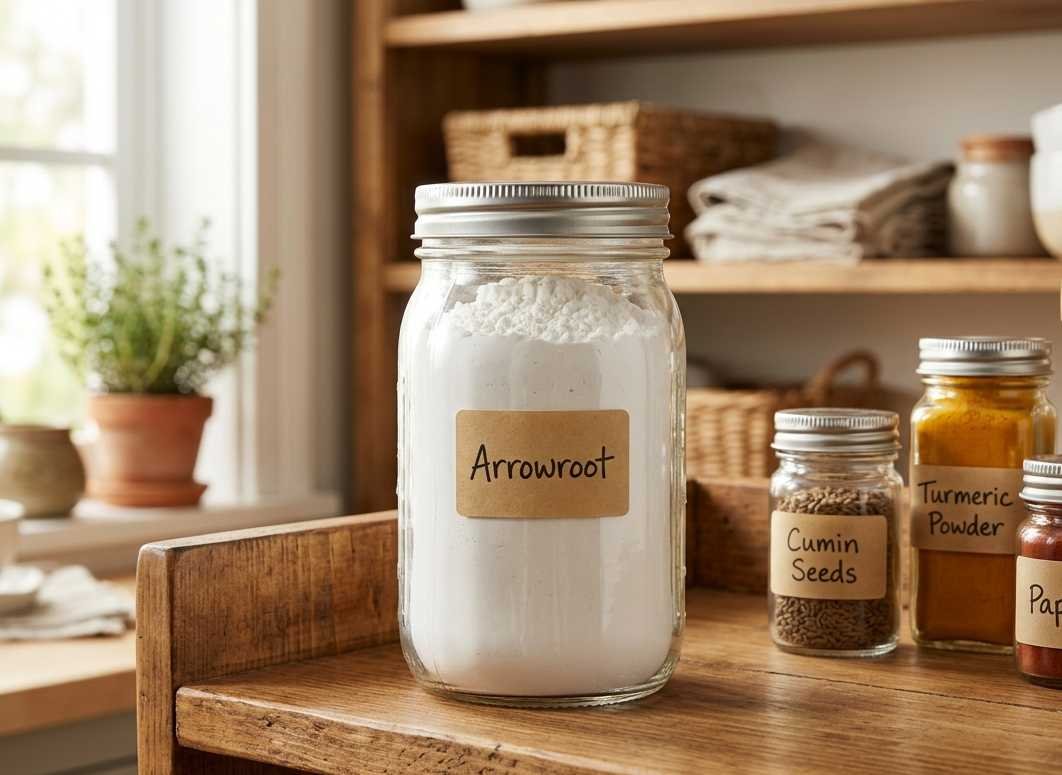
Store arrowroot powder in a cool, dry, airtight container away from direct sunlight and humidity. A sealed glass jar in a kitchen cupboard works perfectly. Avoid storing it near the stove, where steam and heat cycles can introduce moisture.
Properly stored, arrowroot powder has a shelf life of 3 to 4 years. Before using an older packet, do a quick smell test. Fresh arrowroot flour has almost no odor at all. A musty or sour smell means it’s time to replace it. Clumping is a sign of moisture exposure — if the clumps break apart easily and the smell is neutral, the powder is likely still usable.
Frequently asked questions
Is arrowroot powder the same as kuzu or tapioca starch?
No, these are three distinct starches from different plants. Arrowroot starch comes from Maranta or Curcuma rhizomes, kuzu is extracted from a Japanese vine root, and tapioca starch comes from cassava. All three are gluten-free and neutral in flavor, but they produce different textures. Tapioca creates a chewier, more elastic gel; arrowroot produces a clearer, more delicate finish that doesn’t cloud the liquid.
Can diabetics consume arrowroot powder?
In small culinary quantities (1 to 2 teaspoons per serving), arrowroot is generally tolerable, but it is a high-glycemic starch. People with diabetes should count it as a carbohydrate portion and monitor their individual blood sugar response. Cooled arrowroot in its resistant starch form may have a slightly lower glycemic impact. Always discuss significant dietary changes with your healthcare provider.
Is arrowroot safe for babies under one year?
Yes. Arrowroot has a centuries-long history as one of the earliest weaning foods, particularly in Indian and Caribbean households. It is easy to digest, neutral in flavor, and free from common allergens, including gluten, dairy, and nuts. Introduce it as a thin, well-cooked porridge and watch for any signs of sensitivity over the first few days.
Can I use arrowroot for deep frying?
Arrowroot works well as a coating for shallow frying and pan frying, producing a light, crispy crust. It is less ideal as a standalone coating for deep frying because it can become too thin and lacy at very high oil temperatures. For deep frying, a blend of arrowroot powder and rice flour or chickpea flour gives better adhesion and a more even crunch.
Where can I buy authentic arrowroot powder in India?
Look for arrowroot powder in Ayurvedic stores, health food shops, and larger supermarkets. Online grocery platforms like BigBasket and Amazon India carry both the Maranta and Curcuma varieties. Check the botanical name on the label if you have a preference. Locally sourced tikhur from specialty stores in coastal and central India is often fresher and more affordable than imported varieties.
Does arrowroot powder expire?
Arrowroot doesn’t have a hard expiry date, but its thickening effectiveness does decline over time. After 3 to 4 years, even well-stored arrowroot flour may not thicken as efficiently. Always smell the powder before use — no odor means it’s likely still good, while a musty or stale smell means it’s time to replace it.
Final thoughts
Arrowroot powder is a quietly essential ingredient that delivers clear, glossy sauces, crispy coatings, gentle baby foods, and reliable gluten-free binding—all from a single versatile starch. Once you have the slurry method down and know to pull it off the heat as soon as it thickens, it’s genuinely easy to work with. The arrowroot flour benefits extend beyond cooking, too, from its long history as a digestion aid to its resistant starch potential when cooled. When the cornstarch vs arrowroot question comes up, let your recipe decide: clear, acid-based, and dairy-free means arrowroot powder every time.
The information in this article is for educational purposes only and does not replace professional medical advice, diagnosis, or treatment. Always consult a qualified healthcare provider for any concerns about your health or before starting any new treatment. Doctiplus does not endorse specific products, brands, or providers mentioned for illustrative purposes.
References
- USDA FoodData Central, arrowroot flour nutritional data entry.
- Indian Council of Medical Research, dietary guidelines for Indians, 2020 edition.
- National Institute of Nutrition, Hyderabad, Indian food composition tables.
- Journal of Food Science and Technology, research on tropical starch properties and applications.
- Cleveland Clinic, patient resources on gluten-free diets and starch alternatives.