

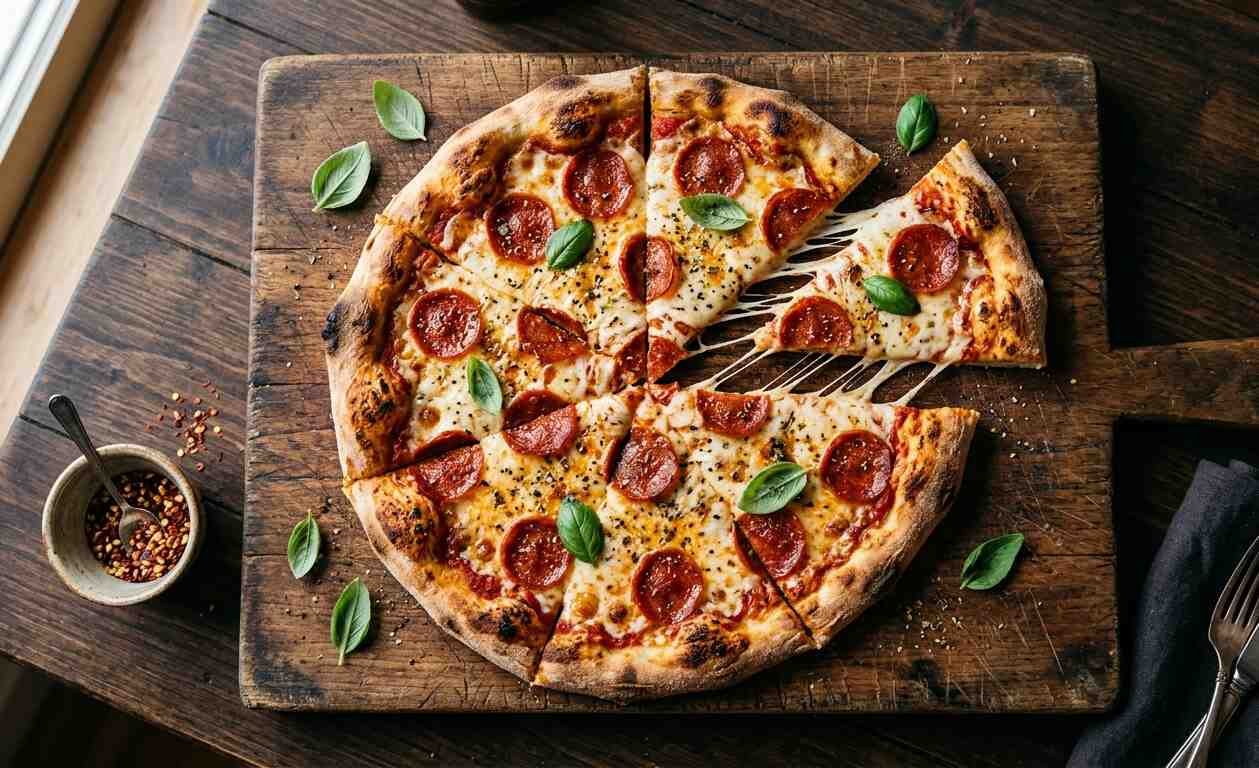
Pizza Causes: Health Effects of Eating Pizza Regularly
Pizza is one of the most consumed foods on the planet, and for good reason. It is convenient, satisfying, and infinitely customizable. But when that two-slice habit becomes a four-times-a-week routine, you may start to notice changes in how you feel. The term pizza covers a range of pizza health effects that appear when consumption tips from occasional to frequent: weight gain, bloating, higher blood pressure, and breakouts, among them. This is not about labeling pizza a villain. It is about understanding what happens in your body when pizza becomes a regular feature, so that you can make choices that work for you.
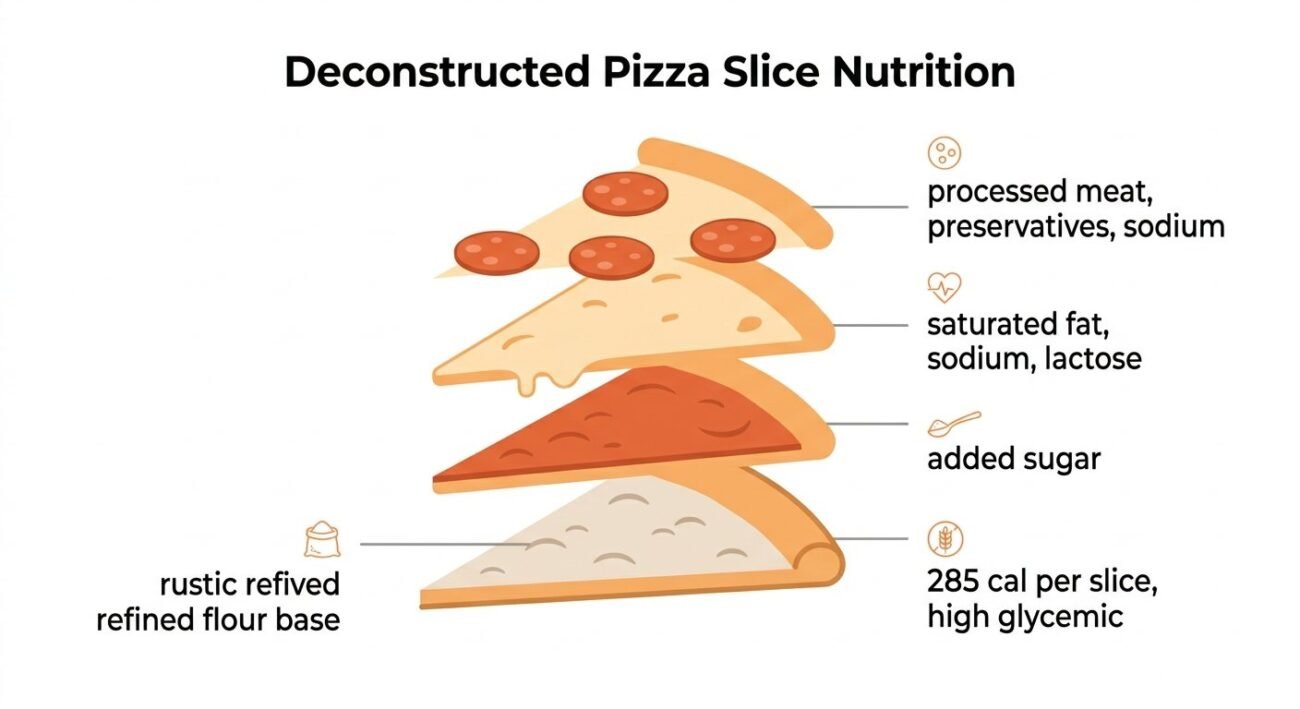
What is in a typical pizza?
A standard pizza slice contains roughly 285 calories. The base is refined white flour, which spikes blood sugar quickly. The cheese adds saturated fat and sodium. Processed toppings like pepperoni and sausage contribute more sodium, preservatives, and saturated fat. Tomato sauce often contains added sugar. Together, these ingredients create a calorie-dense, sodium-heavy meal. Two slices with a drink can easily exceed 700 calories, a significant portion of most adults’ daily intake. The USDA FoodData Central provides detailed nutritional breakdowns for common pizza styles.
Health effects of eating pizza regularly
Weight gain
Pizza weight gain is driven by high-calorie density, refined carbs, and saturated fat that make it easy to overeat. Two slices of pepperoni pizza approach 700 calories before adding sides or drinks. Frequent consumption without adjusting overall calorie intake leads to a steady surplus.
Bloating and digestive discomfort
Cheese (lactose), refined flour, and high sodium are common bloating triggers. People with lactose intolerance or gluten sensitivity feel it most. The combination of fat and salt also slows digestion, keeping that heavy feeling around longer.
High blood pressure
One slice of frozen pizza can contain more than 600 milligrams of sodium. The American Heart Association recommends no more than 2,300 milligrams daily, with an ideal target of 1,500 milligrams. Three slices at dinner could hit the entire day’s limit. Regular high-sodium meals are a well-established risk factor for hypertension. For helpful tips, see our low-sodium diet guide on Doctiplus.
High cholesterol
Pizza cholesterol concerns come from cheese, processed meats, and refined cooking oils. These ingredients contribute to saturated fat that raises LDL (bad) cholesterol over time. The Mayo Clinic recommends keeping saturated fat to under 13 grams daily for heart health.
Acne breakouts
Pizza acne is linked to two ingredients: high-glycemic refined flour crust that spikes insulin, and dairy cheese that some research connects to increased sebum production. Effects vary by individual, but people prone to breakouts often notice a connection. For more on dietary triggers, see our article on foods that trigger acne on Doctiplus.
Heartburn and acid reflux
Acidic tomato sauce combined with high-fat cheese relaxes the lower esophageal sphincter, allowing stomach acid to rise. Eating pizza close to bedtime makes this worse because lying down removes gravity’s help in keeping acid down.
Type 2 diabetes risk
Refined flour crust spikes blood sugar quickly. Over the years, frequent consumption contributes to insulin resistance, a precursor to type 2 diabetes. Pairing pizza with sugary drinks amplifies the blood sugar response further.
Inflammation
Processed meats and refined carbs together promote chronic low-grade inflammation. The Harvard T.H. Chan School of Public Health identifies both as contributors to inflammatory dietary patterns linked to heart disease and metabolic conditions.
How often is too often?
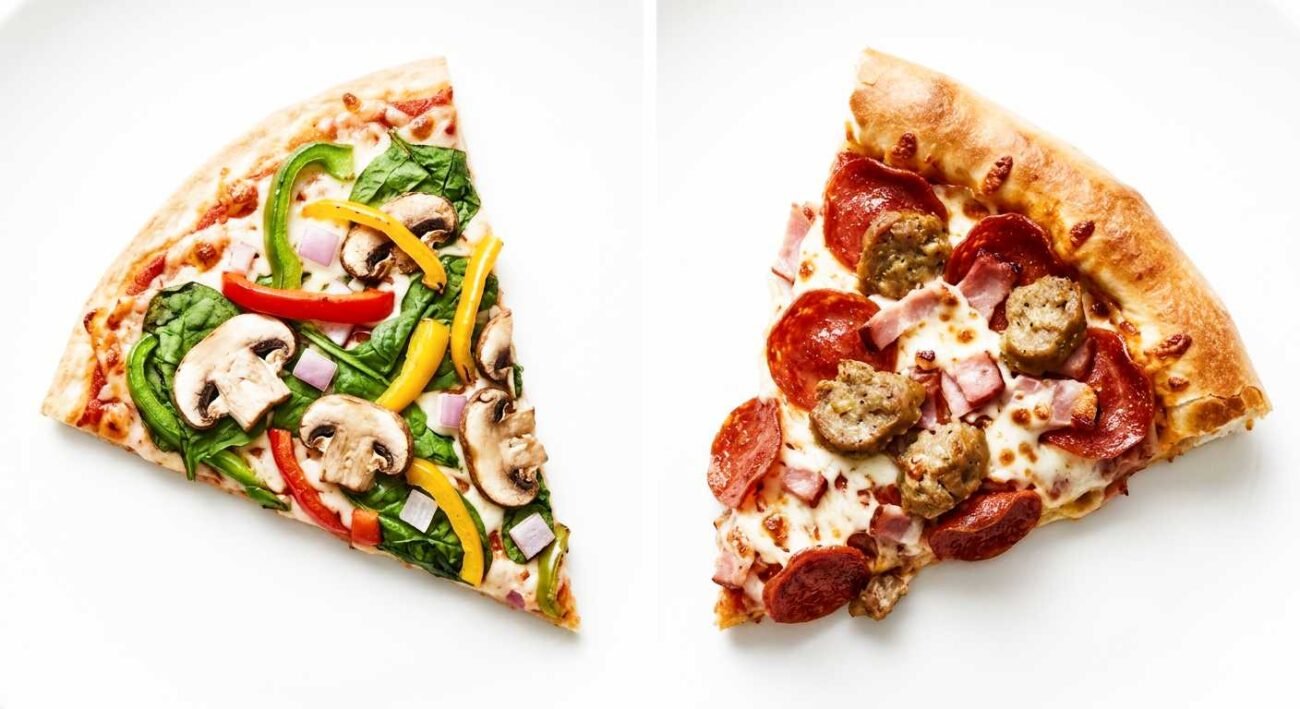
Nutrition research suggests that once a week is moderate for most healthy adults. More than 2 to 3 times weekly significantly raises the risk of the pizza’s health effects listed above. Context matters: a thin-crust veggie slice paired with a salad is very different from a stuffed-crust meat feast with soda. Overall dietary pattern, portion size, and what you eat alongside pizza determine the real impact.
Are some pizzas healthier than others?
Yes. The table below compares common styles so you can see the differences at a glance.
| Pizza style | Calories per slice | Sodium per slice | Health rank |
| Thin crust veggie | 200 to 250 kcal | 400 to 500 mg | Better choice |
| Regular cheese | 270 to 320 kcal | 600 to 700 mg | Moderate |
| Pepperoni | 300 to 360 kcal | 700 to 850 mg | Limit |
| Stuffed crust meat lovers | 400 to 500 kcal | 900 to 1200 mg | Avoid frequent |
| Frozen processed | 320 to 400 kcal | 700 to 900 mg | Limit |
Risk factors that make pizza’s health effects worse
- Eating pizza late at night, close to bedtime.
- Pairing with sugary drinks or beer.
- Adding extra cheese and processed meats.
- Eating with little or no vegetables alongside.
- A sedentary lifestyle that reduces calorie burn.
- Existing conditions like hypertension or PCOS.
How to enjoy pizza with fewer health effects
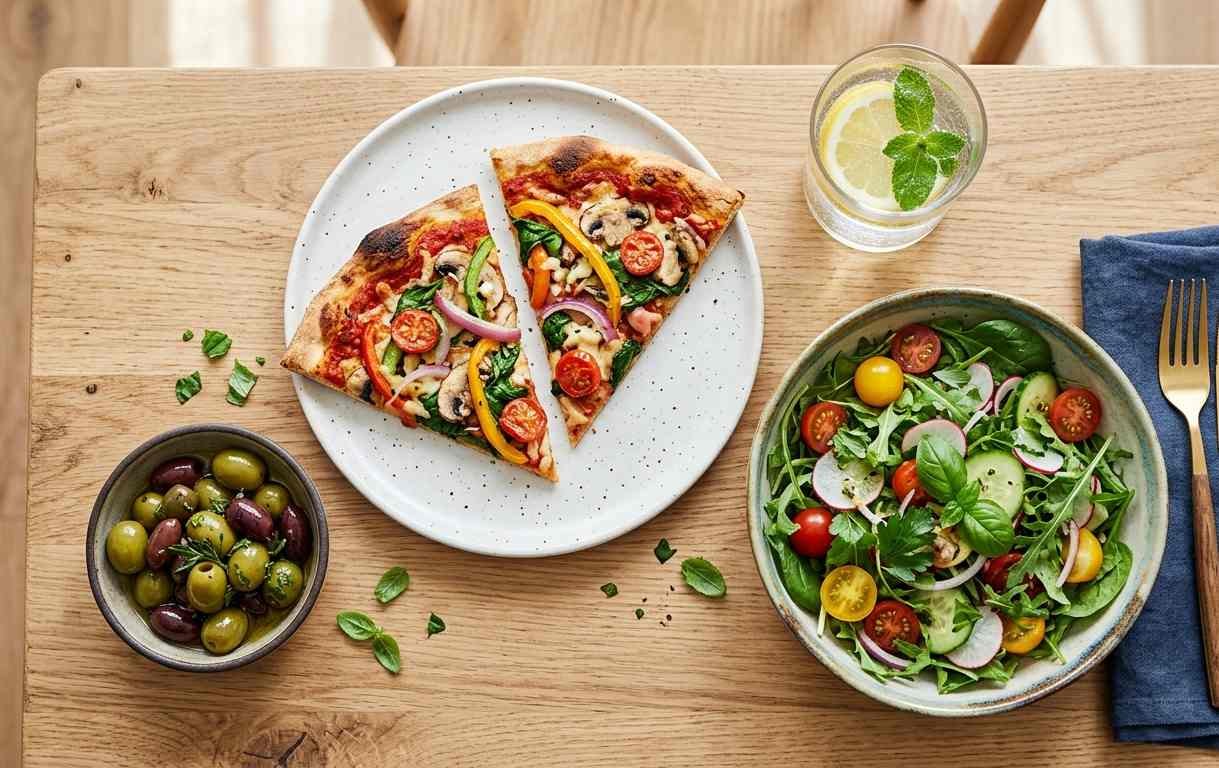
- Choose thin crust over deep dish to save 50 to 100 calories per slice.
- Pick vegetable toppings: bell peppers, spinach, mushrooms, onions.
- Limit servings to 2 slices and pair with a large salad.
- Try whole wheat or cauliflower crust for more fiber.
- Skip the extra cheese request.
- Choose chicken or paneer over pepperoni and sausage.
- Drink water instead of soda. For healthier meal alternatives on busy nights, see our healthy weeknight dinner ideas.
Homemade versus delivery pizza
Homemade pizza gives you ingredient control: less sodium, less saturated fat, and better flour choices like whole wheat or chickpea. Delivery and frozen pizzas typically contain preservatives, significantly more salt, and denser cheese layers. If you order out, asking for light cheese and extra vegetables is the simplest swap for reducing pizza health effects without giving up convenience.

Who should be especially cautious?
- People with hypertension or heart disease.
- Those managing type 2 diabetes.
- Pregnant women should avoid deli meat toppings.
- Lactose-intolerant or gluten-sensitive individuals.
- People with chronic acne or PCOS.
- Children with frequent weight or digestion issues.
Frequently asked questions
Can eating pizza cause acne?
Pizza acne is plausible for people who are already breakout-prone. The refined flour crust spikes insulin, and dairy cheese may increase oil production. Not everyone reacts the same way. If you notice a pattern between pizza and breakouts, try reducing dairy or switching to a thin crust with vegetable toppings.
Why do I feel bloated after eating pizza?
Bloating after pizza is usually caused by the combination of lactose in cheese, refined carbs in the crust, and high sodium, which makes your body retain water. Eating slowly, drinking water, and keeping portion size to two slices can reduce the effect.
Is pizza bad for cholesterol?
Frequent pizza consumption raises cholesterol concerns because of saturated fat from cheese and processed meats. An occasional slice is unlikely to affect your lipid panel. The risk increases with frequency and topping choices, especially pepperoni and extra cheese.
Can I eat pizza on a weight loss diet?
Yes, in moderation. Pizza weight gain happens when total calorie intake consistently exceeds what your body burns. Fitting two slices of thin-crust veggie pizza into your daily calorie budget once a week is realistic for most weight loss plans.
Does pizza cause high blood pressure?
Regular pizza consumption contributes to sodium, which raises blood pressure over time. One to two slices occasionally will not spike your levels. Eating pizza multiple times a week, especially frozen or delivery versions with 700 milligrams or more of sodium per slice, is where risk increases.
Is homemade pizza healthier than delivered?
Generally yes. Homemade pizza allows you to control sodium, fat, and flour quality. Delivery pizzas average 30 to 50 percent more sodium per slice than the homemade versions. The use of whole wheat dough, fresh vegetables, and lighter cheese at home makes a considerable difference.
Final thoughts
The causes outlined in this article are real, but they are tied to frequency and choices, not to pizza itself being inherently harmful. Enjoying pizza once a week as part of a balanced diet is realistic for most people. The pizza health effects that matter most, including pizza weight gain, pizza cholesterol, and blood pressure, show up when consumption becomes frequent, and portion sizes grow unchecked. Choose thinner crusts, load up on vegetables, watch your portions, and save the stuffed-crust meat feast for special occasions. Pizza is not the enemy. Overconsumption is.
The information in this article is for educational purposes only and does not replace professional medical advice, diagnosis, or treatment. Always consult a qualified healthcare provider for any concerns about your health or before starting any new treatment. Doctiplus does not endorse specific products, brands, or providers mentioned for illustrative purposes.
References
- Harvard T.H. Chan School of Public Health, The Nutrition Source, dietary patterns and inflammation, accessed 2026.
- American Heart Association, Sodium and Cardiovascular Health Guidelines, accessed 2026.
- Mayo Clinic, dietary fat and cholesterol, accessed 2026.
- USDA FoodData Central, pizza nutrition entries, accessed 2026.
- Journal of the American Academy of Dermatology, diet and acne relationship, peer-reviewed.
- Centers for Disease Control and Prevention, diet and chronic disease prevention, accessed 2026.