


What Is Your Body Lacking When You Get Boils? Nutrients and Causes Explained
You have had your third boil in six months, and you want answers. If you are asking what your body is lacking when you get boils, the short answer is that boils are bacterial infections caused by Staphylococcus aureus, not deficiencies on their own. However, certain gaps weaken the immune system, and boils become more likely when those defenses drop. This guide covers the nutrients, medical conditions, and lifestyle factors behind recurring boils, plus the tests that help break the cycle.
What is a boil, and how does it form?
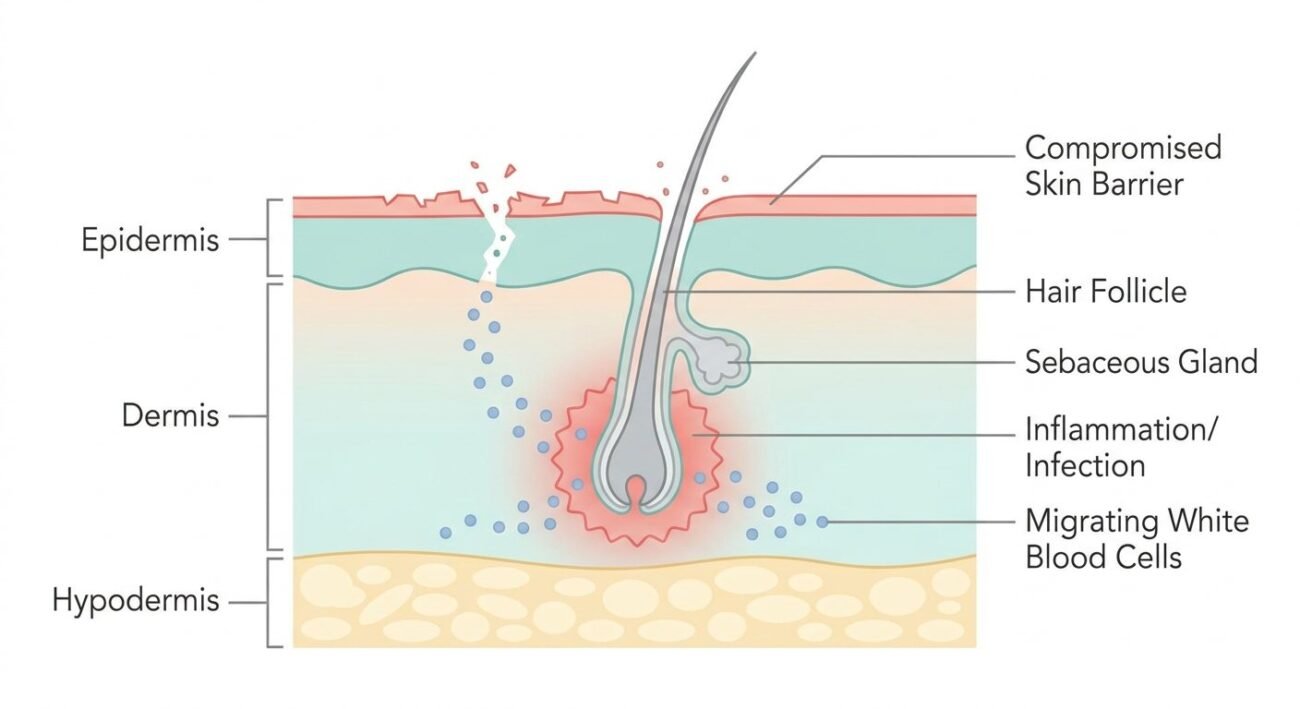
A boil is a painful, pus-filled bump under the skin caused by an infected hair follicle or oil gland, usually from Staph bacteria. The Mayo Clinic describes boils as starting red and tender, then filling with pus over several days as white blood cells fight the infection. Boils can appear anywhere, but are most common on the face, neck, armpits, buttocks, and thighs, areas where friction, sweat, and bacteria meet.
Is a deficiency the direct cause of boils?
No. Boils are infections, not nutritional conditions. A skin boil due to a vitamin deficiency does not directly place bacteria under your skin. What deficiencies do is weaken the immune response and skin barrier, making it easier for Staph to take hold. The bacteria cause the boil. The deficiency makes your body less equipped to stop it.
Nutrients linked to recurring boils
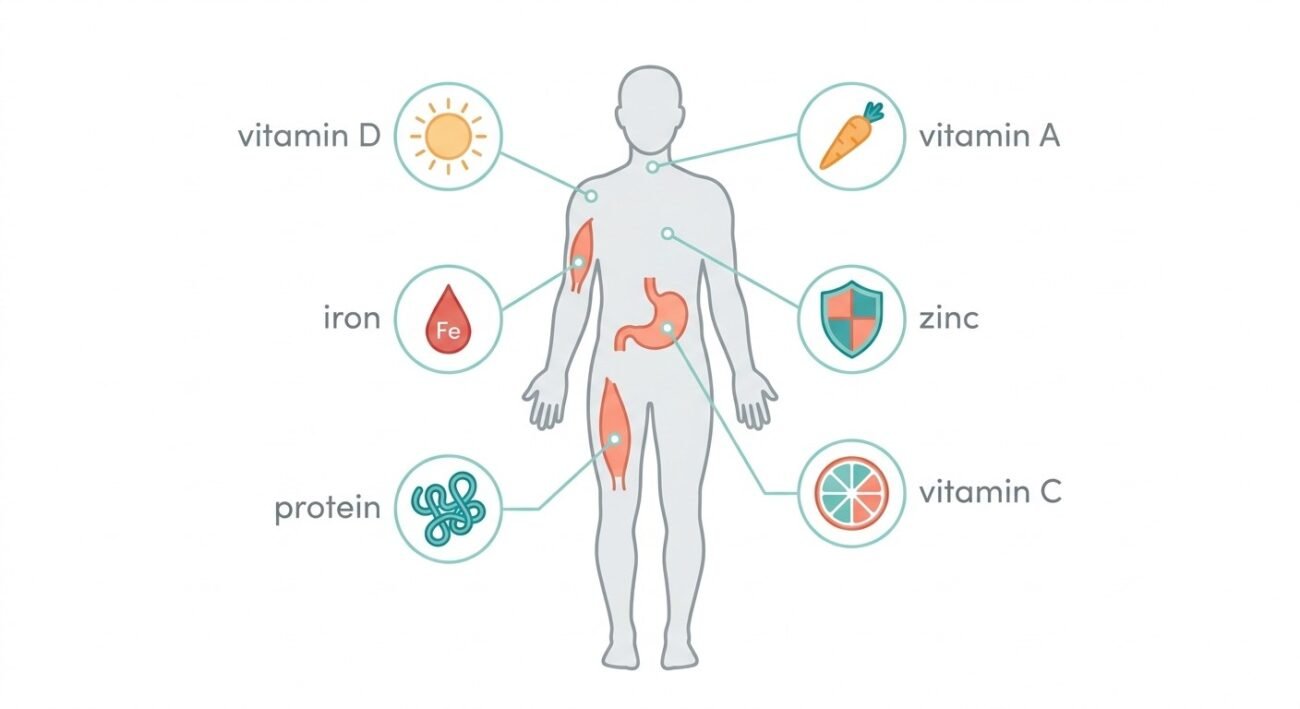
The table below summarizes the key nutrients. When these levels drop, your immune system and skin lose critical defenses, and recurring boil reasons often trace back to one or more of these gaps.
| Nutrient | Role in skin health | Daily target (adult) |
| Iron | Powers neutrophils, the immune cells that fight skin infections | 8 to 18 mg |
| Vitamin D | Activates antimicrobial peptides in the skin | 600 to 800 IU |
| Zinc | Wound healing and neutrophil activity against bacteria | 8 to 11 mg |
| Vitamin A | Maintains the skin barrier that blocks bacteria | 700 to 900 mcg |
| Vitamin C | Collagen production and immune cell support | 75 to 90 mg |
| Protein | Building block for immune cells and skin repair | 0.8 g per kg body weight |
Iron
Low iron impairs neutrophil function, weakening the body’s first defense. Iron deficiency anemia is one of the most common recurring blood disorders, especially in women with heavy periods and vegetarians. See our article on signs of iron deficiency on Doctiplus.
Vitamin D
Vitamin D activates antimicrobial peptides that kill bacteria on contact. Low levels are widespread in India and northern US climates, correlating with more frequent skin infections. Our guide to vitamin D deficiency in Indians covers testing and supplementation.
Zinc
Zinc is crucial for wound healing and immune cell production. Low zinc reduces neutrophil activity against Staph, making this skin boils vitamin deficiency a significant contributing factor.
Vitamin A
Vitamin A maintains the skin barrier, blocking bacteria. Deficiency causes dry, cracked skin that is easier to infect, raising boils causes nutrition concerns about nutrition.
Vitamin C
Vitamin C supports collagen and immune cell activity. Low intake slows skin healing after drainage, increasing the risk of reinfection at the same site.
Protein
Protein is the building block for immune cells and skin repair. Insufficient intake weakens both, especially relevant for vegetarians and those on very low-calorie diets.
Vitamin B12 and folate
Both are needed for white blood cell production. Deficiency slows the immune response to bacterial invasion, an overlooked recurring risk factor for boils in older adults.

Medical conditions that increase the risk of boils
Diabetes
High blood sugar weakens immunity and feeds bacteria. Diabetics are 3 to 5 times more likely to develop boils. If recurring boils have not prompted diabetes screening, ask for a fasting glucose and HbA1c test. See our article on diabetes and skin health.
Obesity
Skin folds trap moisture and bacteria while insulin resistance lowers immune function, making boils more common.
Hidradenitis suppurativa
A chronic condition causing recurring painful nodules in the armpits, groin, and buttocks, often misdiagnosed as boils. If lumps keep returning in the same areas, ask your dermatologist.
Weakened immune system
HIV, cancer treatments, and immunosuppressant medications raise infection risk, making the immune system and the connection to boils more direct.
Chronic kidney disease
Reduced immunity and skin changes from kidney disease increase susceptibility to Staph infection.
Eczema and skin disorders
Damaged skin barriers from eczema, psoriasis, and similar conditions create entry points for bacteria that cause boils.
Lifestyle factors that contribute to boils
- Poor hygiene in skin folds and areas that sweat heavily.
- Sharing towels, razors, or athletic equipment.
- Tight clothing that causes friction and traps sweat.
- Chronic stress, which suppresses immune function.
- Smoking, which impairs blood flow and healing.
- Inadequate sleep lowers the body’s immune response.
Foods that support boil prevention:
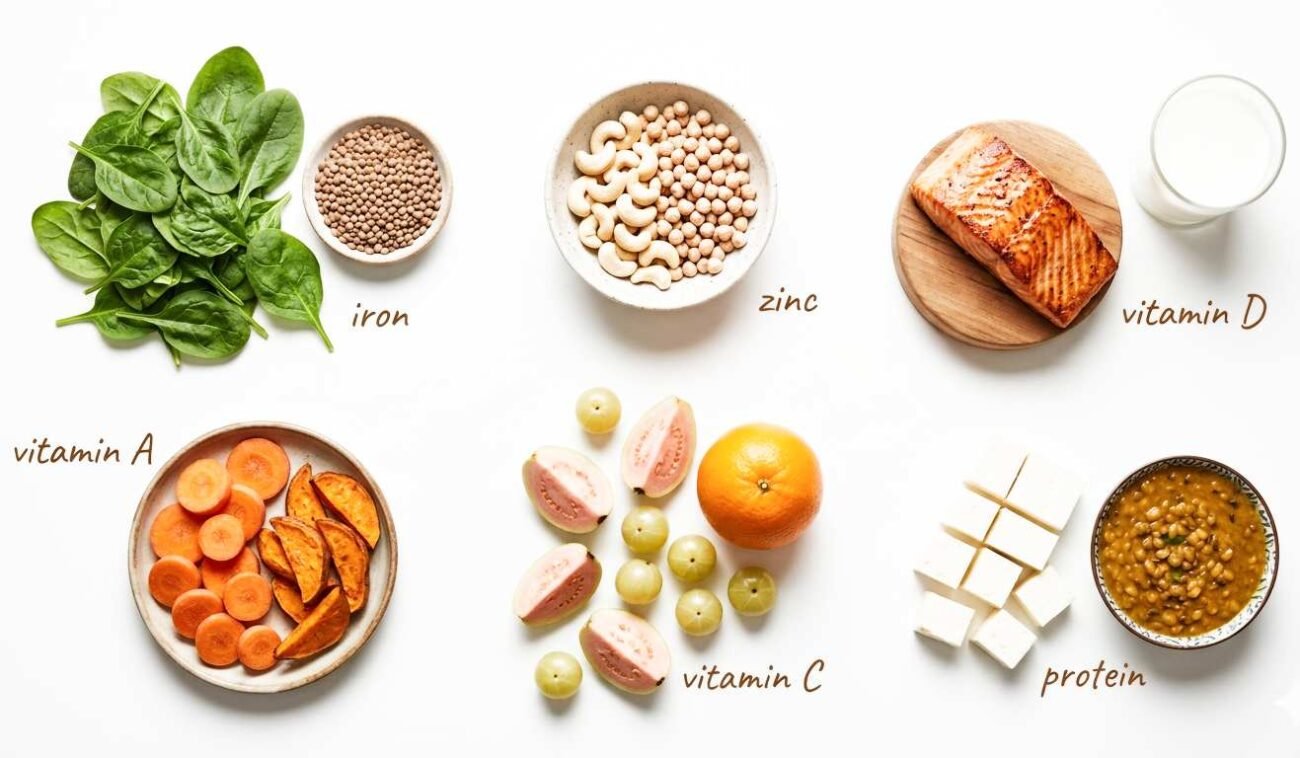
Addressing boils causes nutritional gaps through diet strengthens your defenses. For a larger list, see our guide to foods that boost immunity on Doctiplus.
- Iron rich: spinach, lentils, lean red meat, pumpkin seed.
- Zinc-rich: oysters, chickpeas, cashews, eggs.
- Vitamin D: fatty fish, fortified milk, sunlight exposure.
- Vitamin A: carrots, sweet potatoes, leafy greens, eggs.
- Vitamin C: citrus fruits, guava, amla, bell peppers.
- Protein: dairy, legumes, fish, chicken, paneer.
Tests to ask your doctor about
If you experience recurring boils, the CDC and dermatology guidelines recommend these investigations:
- Complete blood count (CBC) to check immune cell levels.
- Serum ferritin to measure iron stores.
- Vitamin D 25-hydroxy level.
- Fasting blood glucose and HbA1c for diabetes screening.
- Zinc serum level.
- Nasal swab for Staph aureus carriage (to check if you are a chronic carrier).
Home care for an active boil
- Apply warm compresses 3 to 4 times daily for 15 to 20 minutes to encourage drainage.
- Never squeeze or pop the boil yourself. This spreads bacteria and worsens infection.
- Keep the area clean and covered with a sterile bandage.
- Wash your hands thoroughly after touching the area.
- Use a separate towel and wash bedding frequently.
When to see a doctor
Boil treatment at home is appropriate for small, isolated boils, but see a doctor if you notice:
- A boil larger than 5 centimeters or extremely painful.
- Fever or chills accompany the boil.
- A boil that does not drain within 2 weeks.
- Recurring boils, meaning 3 or more in 6 months.
- Boils on the face, spine, or near the eyes.
- Red streaks spreading outward from the boil may indicate sepsis.
Frequently asked questions
Can low iron really cause recurring boils?
Low iron does not directly cause boils, but it impairs neutrophil function, the immune cells that fight Staph bacteria. Iron deficiency anemia is one of the most common recurring blood disorders. A serum ferritin test can confirm whether your iron stores are low.
Should I take vitamin D supplements if I get boils?
Only if a blood test confirms your vitamin D level is low. The NIH Office of Dietary Supplements recommends 600 to 800 IU daily for most adults. Self-supplementing without testing can lead to excess levels, which carry their own risks.
Are boils a sign of diabetes?
Recurring boils can be an early warning sign of undiagnosed diabetes. High blood sugar weakens the immune system and creates an environment where bacteria thrive. If you get boils frequently and have not been screened, ask your doctor for a fasting glucose and HbA1c test.
Why do I keep getting boils in the same spot?
Boils return to the same location because bacteria can persist deep in the hair follicle or surrounding tissue, even after the surface heals. Friction, moisture, and scar tissue from previous infections make the area more vulnerable. A nasal swab can check if you carry Staph bacteria chronically.
How long does a boil take to heal naturally?
A small boil typically drains and heals on its own within 1 to 3 weeks. Warm compresses speed drainage. If a boil has not begun draining after 2 weeks or gets larger and more painful, see your doctor for possible incision and drainage.
Are boils contagious?
The pus inside a boil contains Staph bacteria and is contagious through direct contact. Do not share towels, razors, or clothing. Keep the boil covered, wash your hands after contact, and launder bedding and towels in hot water.
Final thoughts
Understanding what your body is lacking when you get boils means looking beyond the infection. Boils are caused by bacteria, but low iron, vitamin D, zinc, and protein create immune gaps that let bacteria win. Addressing skin boils, vitamin deficiency through diet, supplementation, and testing gives your body the tools to fight back. If boils keep returning, talk to your doctor, request the tests listed above, and treat both the infection and the recurring boils’ reasons behind it.
The information in this article is for educational purposes only and does not replace professional medical advice, diagnosis, or treatment. Always consult a qualified healthcare provider for any concerns about your health or before starting any new treatment. Doctiplus does not endorse specific products, brands, or providers mentioned for illustrative purposes.
References
- Centers for Disease Control and Prevention, Staphylococcus aureus skin infections and community prevention, accessed 2026.
- Mayo Clinic, boils and carbuncles symptoms, causes, and treatment, accessed 2026.
- Cleveland Clinic, Recurrent Boils Diagnosis and Management, accessed 2026.
- NIH Office of Dietary Supplements, nutrient fact sheets for iron, zinc, and vitamin D, accessed 2026.
- Indian Council of Medical Research, micronutrient deficiency prevalence in India, accessed 2026.
- American Academy of Dermatology, hidradenitis suppurativa patient resource, accessed 2026.