

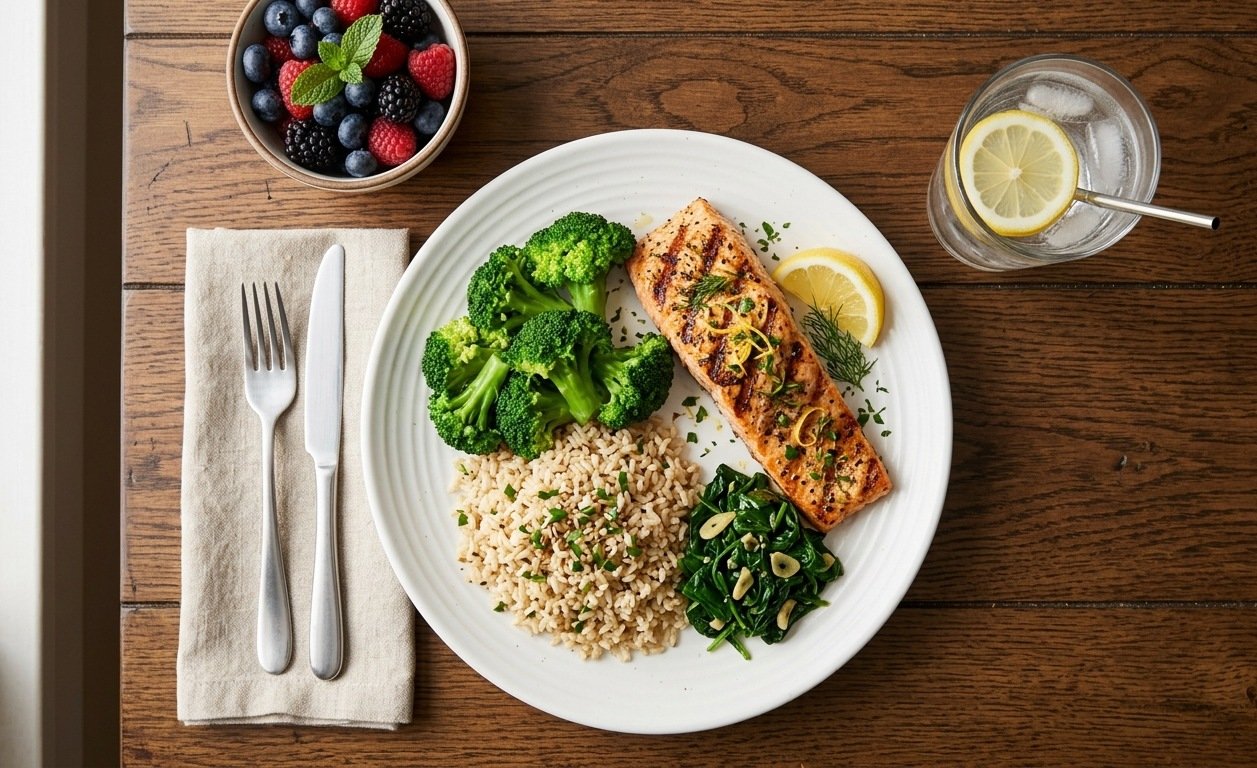
What Foods To Avoid If Alkaline Phosphatase Is High: A Complete Diet Guide
Your blood test shows elevated alkaline phosphatase, and your doctor has mentioned watching your diet while they investigate the cause. If you are wondering what foods to avoid if alkaline phosphatase is high, you are in the right place. Diet alone does not lower ALP directly because the enzyme level reflects an underlying liver or bone condition. But the right high ALP diet choices support liver function, reduce inflammation, and strengthen bone health, all of which help your body normalize ALP over time. This alkaline phosphatase reduction food guide covers what to limit, what to eat instead, and the lifestyle changes that complement medical treatment.
What is alkaline phosphatase?
Alkaline phosphatase (ALP) is an enzyme found mainly in the liver, bones, intestines, and kidneys. The Mayo Clinic notes that the normal adult ALP range is roughly 44 to 147 U per L, though values vary by lab. When liver cells are damaged or bone turnover increases, ALP leaks into the bloodstream, and levels rise. Understanding the high alkaline phosphatase in your result helps you target the right dietary changes. For help reading your full panel, see our guide to reading your blood test results on Doctiplus.
Why is alkaline phosphatase high?
Liver conditions
Cholestasis, bile duct obstruction, hepatitis, and fatty liver disease are common liver-related causes of high alkaline phosphatase. These conditions damage or obstruct liver cells, releasing ALP into the blood. See our fatty liver disease diet guide for targeted nutritional advice.
Bone conditions
Paget’s disease, healing fractures, vitamin D deficiency, and osteomalacia increase bone turnover, increasing ALP. A liver bone health diet that supports both organs is ideal when the cause is unclear.
Pregnancy
Placental ALP rises naturally during the second and third trimesters. This is expected and not a sign of liver or bone disease.
Childhood growth
Children naturally have higher ALP due to active bone growth. Elevated values in children are usually normal and do not require dietary restriction.
Medications
Anticonvulsants, oral contraceptives, and certain antibiotics can raise ALP. If a medication is the suspected cause, your doctor may adjust the prescription rather than focus on diet.
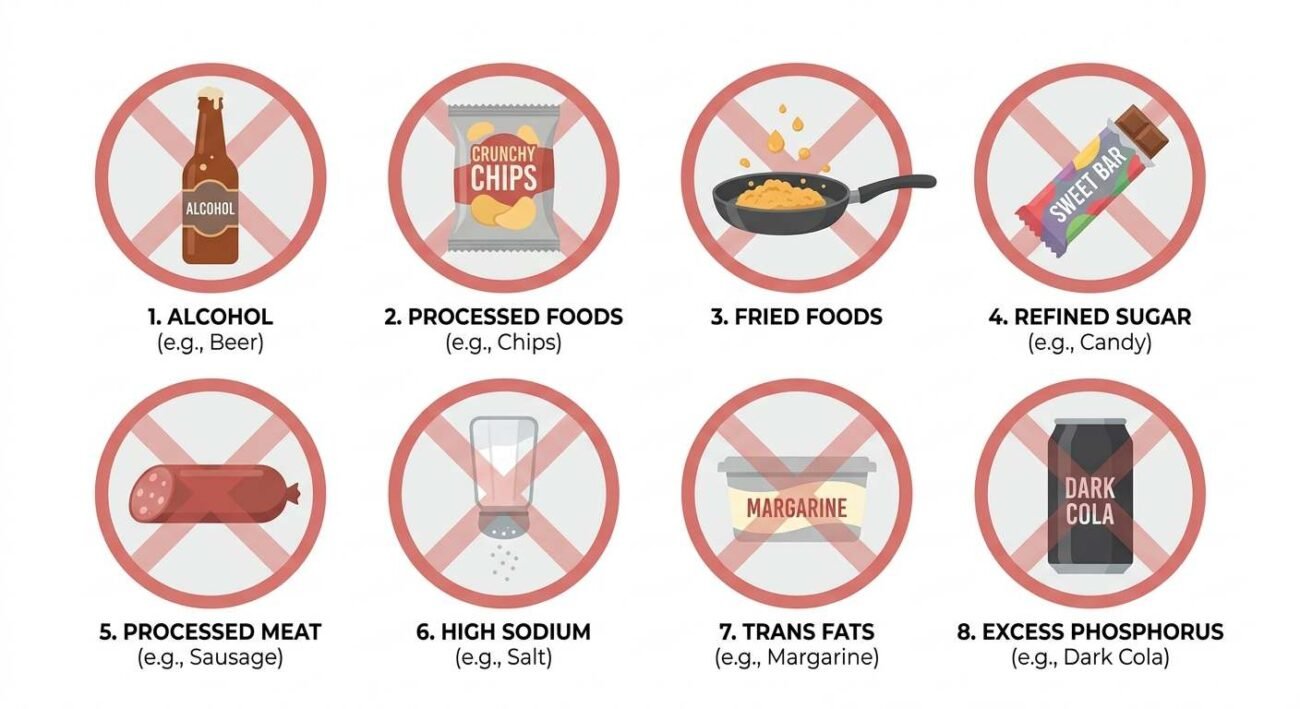
What foods to avoid if alkaline phosphatase is high
Alcohol in any form
Alcohol damages liver cells and is one of the most direct foods that lower ALP when removed. Complete avoidance is typically advised when ALP is elevated due to liver causes.
Processed and packaged foods
Chips, instant noodles, and packaged snacks are high in sodium, preservatives, and inflammatory additives that stress the liver. Replacing these is a core part of any high ALP diet.
Fried and deep-fried foods
Trans fats and oxidized oils increase liver inflammation. Limit samosas, pakoras, fries, and fried chicken. Baking, grilling, or steaming are healthier cooking methods.
Refined sugar and sweets
Fructose overload contributes to fatty liver, one of the most common causes of high alkaline phosphatase. Limit sodas, sweetened tea, mithai, cakes, and candy.
Excess red and processed meats
Sausage, bacon, salami, and large red meat portions raise liver workload and inflammation. Choose lean protein sources like chicken breast, fish, tofu, or lentils instead.
High-sodium foods
Pickles, canned soups, salted snacks, and excessive soy sauce add strain to both the liver and the kidneys. Keeping sodium under 2,300 milligrams daily supports a liver bone health diet.
Trans fats and hydrogenated oils
Found in many bakery products, margarine, and packaged snacks. Check ingredient labels for partially hydrogenated oils and avoid them.
Excess phosphorus-rich foods
When ALP is high due to kidney involvement, limit dark colas, processed cheese, and certain processed meats. These add phosphorus that stressed kidneys struggle to clear.
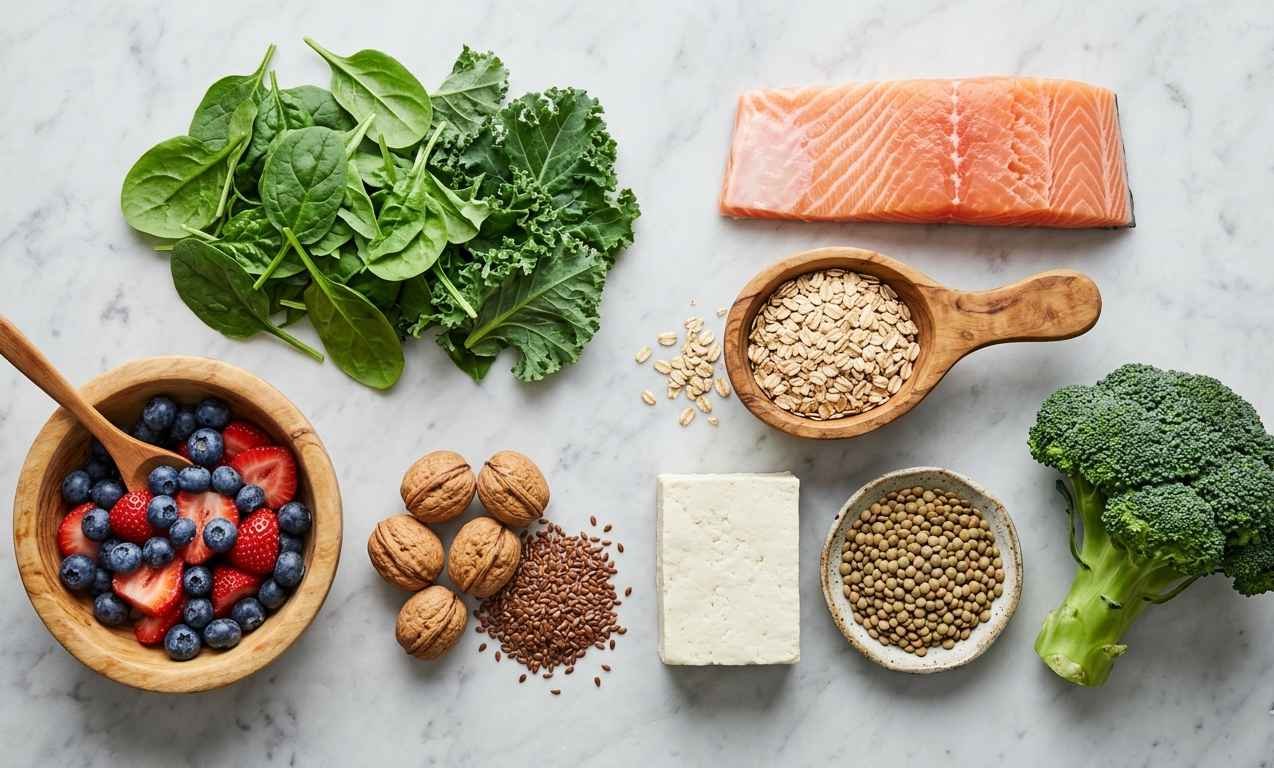
Foods that support healthy ALP levels
These alkaline phosphatase reduction food choices support liver repair, reduce inflammation, and strengthen bones:
- Leafy greens: spinach, kale, methi (fenugreek leaves).
- Whole grains: oats, brown rice, quinoa.
- Fatty fish rich in omega-3: salmon, mackerel.
- Berries: blueberries, strawberries, amla (Indian gooseberry).
- Cruciferous vegetables: broccoli, cauliflower, cabbage.
- Nuts and seeds: walnuts, flaxseeds, chia seeds.
- Lean protein: chicken breast, tofu, lentils, paneer.
- Adequate hydration with 8 to 10 glasses of plain water daily.
Vitamins and minerals that matter
Vitamin D
Vitamin D deficiency raises bone-derived ALP through increased bone turnover. Correcting low vitamin D is one of the most effective foods that lower ALP indirectly. See our article on vitamin D deficiency symptoms on Doctiplus.
Calcium
Works with vitamin D to support bone health and reduce bone-derived ALP. Dairy, fortified plant milks, and leafy greens are the best dietary sources.
Magnesium
Supports liver enzyme balance and bone remodeling. Found in nuts, seeds, whole grains, and dark leafy greens.
Zinc
Supports liver detoxification pathways. Good sources include chickpeas, cashews, pumpkin seeds, and eggs.
Lifestyle changes that complement your high ALP diet
- Limit or eliminate alcohol completely.
- Maintain a healthy weight to reduce fatty liver risk.
- Exercise 30 minutes daily, including weight-bearing activity for bone health.
- Sleep 7 to 8 hours nightly.
- Manage stress with breathing exercises or meditation.
- Avoid unnecessary over-the-counter medications that strain the liver.
Sample one-day liver-friendly meal plan
Use this as a starting template. Adjust portions and ingredients to your calorie needs and any other dietary restrictions. For more ideas, see our liver-friendly recipes on Doctiplus.

| Meal | Suggestion | Why it helps |
| Breakfast | Oats with berries and walnuts | Fiber, omega-3, antioxidants |
| Mid-morning | Apple with a handful of almonds | Vitamin E, steady energy |
| Lunch | Brown rice, dal, sauteed spinach, grilled fish | Lean protein, fiber, iron |
| Evening snack | Green tea with roasted chana | Polyphenols, plant protein |
| Dinner | Vegetable soup with quinoa and tofu | Light, easy to digest |
| Hydration | 8 to 10 glasses of plain water | Supports liver and kidney function |

When the diet is not enough
Diet supports, but does not replace medical treatment. If your ALP is significantly elevated or rising on repeat tests, your doctor will investigate with further tests, including GGT, bilirubin, vitamin D, calcium, and imaging if needed. The American Liver Foundation emphasizes that identifying the underlying cause is key to effective treatment. Knowing what foods to avoid if the alkaline phosphatase is high helps your body heal, but the medical workup determines what is actually driving the elevation.
Frequently asked questions
Can drinking water lower alkaline phosphatase?
Water does not directly lower ALP, but adequate hydration supports liver and kidney function. Dehydration can concentrate blood markers, making values appear slightly higher. Drinking 8 to 10 glasses daily is a simple, healthy part of any high ALP diet.
How quickly can a diet reduce high ALP?
Diet changes typically take 4 to 8 weeks to show a measurable impact on liver enzyme levels. Results depend on the underlying cause. If ALP is elevated from fatty liver, consistent dietary improvement combined with exercise can produce meaningful changes within 2 to 3 months.
Is dairy bad if my alkaline phosphatase is high?
Not necessarily. Low-fat dairy provides calcium and vitamin D, both of which support bone health and may help reduce bone-derived ALP. Full-fat dairy in excess adds saturated fat that stresses the liver. Choose yogurt, skim milk, or fortified plant alternatives.
Can vitamin D deficiency cause high ALP?
Yes. Vitamin D deficiency increases bone turnover, which raises bone-derived ALP. Correcting the deficiency through sunlight, diet, or supplementation (under your doctor’s guidance) often brings ALP levels down over weeks to months.
Should I stop coffee with high alkaline phosphatase?
Moderate coffee consumption (2 to 3 cups daily) is generally considered liver-protective in current research. Black coffee without added sugar is fine for most people with elevated ALP. Avoid coffee drinks loaded with cream, syrup, or sugar.
Is fasting good for high alkaline phosphatase?
Intermittent fasting may benefit fatty liver in some people, but evidence specific to ALP reduction is limited. Do not fast without discussing it with your doctor first, especially if you are on medication or managing diabetes.
Final thoughts
Understanding what foods to avoid when alkaline phosphatase is high gives you a practical starting point while your doctor analyzes the cause. Alcohol, processed foods, fried foods, refined sugar, and excess sodium are the main categories to limit. Replace them with a liver bone health diet built around leafy greens, whole grains, fat fish, and lean protein. Support your ALP diet with vitamin D, calcium, magnesium, and regular hydration. Diet alone will not normalize ALP, but it strengthens the liver and bones that your body needs to get there.
The information in this article is for educational purposes only and does not replace professional medical advice, diagnosis, or treatment. Always consult a qualified healthcare provider for any concerns about your health or before starting any new treatment. Doctiplus does not endorse specific products, brands, or providers mentioned for illustrative purposes.
References
- American Liver Foundation, liver disease progression and patient resources, accessed 2026.
- Mayo Clinic, alkaline phosphatase test overview, accessed 2026.
- Cleveland Clinic, alkaline phosphatase and liver function tests, accessed 2026.
- NIH Office of Dietary Supplements, Vitamin D Fact Sheet for Health Professionals, accessed 2026.
- Indian Council of Medical Research, dietary guidelines for Indians, accessed 2026.
- American Association for the Study of Liver Diseases, liver enzyme evaluation guidelines, accessed 2026.