

Is Edamame Good For You? Nutrition Facts, Benefits, And Who Should Be Cautious
Is edamame good for you? If you have been reaching for those bright green pods at a Japanese restaurant or adding them to salads and grain bowls, you are asking exactly the right question. Is edamame good for you in a meaningful, evidence-backed way? The answer for most people is a clear yes. Edamame is among the most nutrient-dense plant foods available, and asking whether is edamame good for you leads to a genuinely impressive list of benefits. A few groups do need to treat it with caution, and this guide covers both sides clearly.
What is edamame?
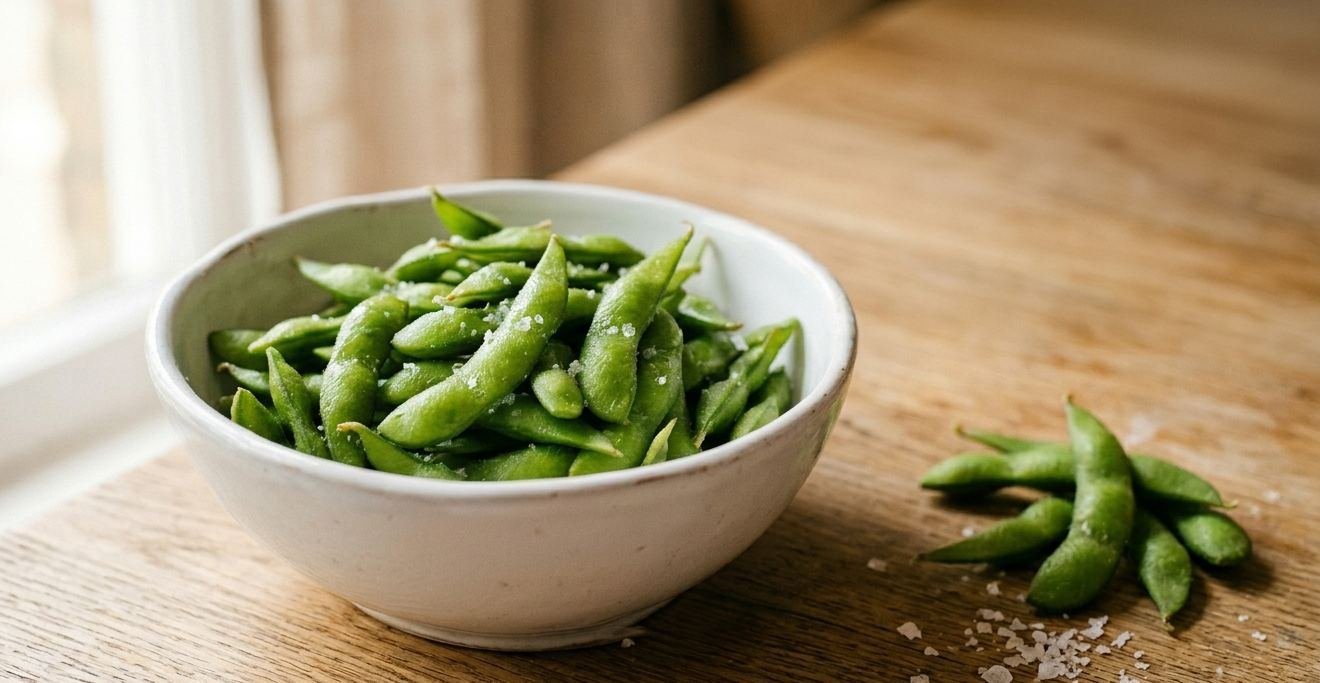
Edamame are young soybeans harvested before they fully ripen, while the beans are still soft, green, and naturally sweet. The name comes from Japanese words meaning branch and bean, a reference to how the pods were traditionally served still on the stem. Today, edamame is sold shelled or in the pod, fresh or frozen, and is one of the most widely consumed plant proteins in the world.
Unlike mature dried soybeans, edamame has a mild, slightly nutty flavour and a tender texture that makes it simple to add to almost any meal. Its popularity in Western health-conscious diets has grown steadily over the past two decades, driven by the wider rise of plant-based eating and the growing awareness of complete protein sources outside of meat and dairy.
Edamame nutrition facts: why edamame is good for you by the numbers
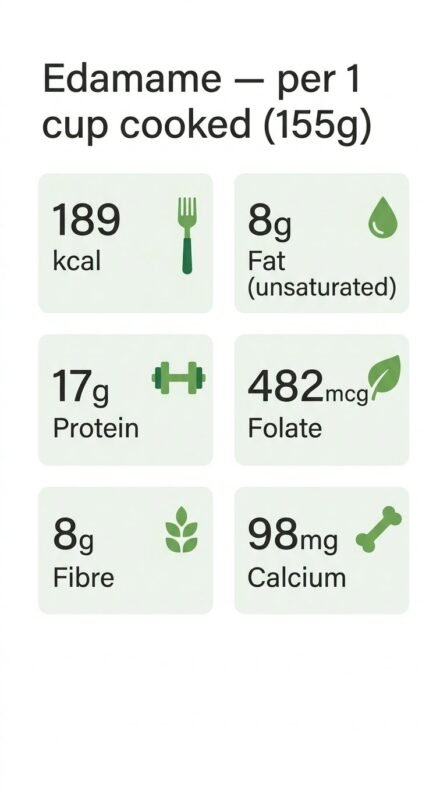
Per one cup cooked (approximately 155g), edamame delivers:
| Nutrient | Amount per cup (155g) | Why it matters |
| Calories | 189 kcal | Moderate calorie density for a highly filling, protein-rich food |
| Protein | 17g | Complete protein with all nine essential amino acids |
| Fibre | 8g | 32% of the recommended daily intake for most adults |
| Total fat | 8g (mostly unsaturated) | Heart-healthy fats including linoleic and alpha-linolenic acid |
| Iron | 3.5mg | Supports red blood cell production; important for plant-based eaters |
| Calcium | 98mg | Contributes to bone density alongside vitamin K and magnesium |
| Magnesium | 99mg | Supports muscle function and bone mineralisation |
| Folate | 482mcg | Critical for cell division; especially important during pregnancy |
| Vitamin K | 41mcg | Supports blood clotting and bone metabolism |
| Vitamin C | 9.5mg | Antioxidant; enhances absorption of plant-based iron |
Data sourced from the USDA FoodData Central database. Values may vary slightly depending on preparation method and variety.
Top health benefits: Here is why edamame is good for you
Complete plant-based protein
One of the strongest reasons why edamame is good for you is the quality of its protein. Edamame provides all nine essential amino acids the body cannot make on its own, making it a complete protein. This is rare among plant foods. According to Harvard Health Publishing, most legumes lack one or more essential amino acids and need to be paired with grains for a full amino acid profile. Edamame covers this in a single food, which is a significant nutritional advantage.
At 17 grams of protein per cup, edamame is competitive with eggs and comparable to chicken on a gram-per-calorie basis. For anyone reducing meat consumption or following a plant-based diet, is edamame good for you as a protein source? Absolutely, and it is one of the most efficient options available.
Aids heart health
Is edamame good for you if you are watching your cholesterol? Research says yes. The combination of unsaturated fats, soluble fibre, and isoflavones in edamame supports cardiovascular health from multiple angles. A meta-analysis released in the Journal of the American Heart Association found that regular soy consumption is associated with a meaningful reduction in LDL cholesterol and overall cardiovascular risk, particularly in people with elevated baseline levels.
The soluble fibre binds cholesterol in the digestive tract and prevents its reabsorption. Eight grams of fibre per cup means a single serving of edamame delivers nearly a third of the recommended daily fibre intake, making it one of the most efficient heart-health foods per serving.
Rich in fibre for digestive and metabolic health
The high fibre content in edamame supports the gut microbiome, promotes regular bowel function, and slows glucose absorption after meals. This makes edamame good for you if you are managing type 2 diabetes or prediabetes, as it helps prevent blood sugar spikes. Soluble fibre feeds beneficial gut bacteria, which produce short-chain fatty acids that reduce intestinal inflammation and support the gut lining.
High-fibre diets are consistently associated with lower rates of colorectal cancer, gallstones, and diverticular disease in long-term population studies. Edamame is one of the simplest and most palatable ways to increase daily fibre intake meaningfully.
Contains isoflavones (phytoestrogens)
Edamame contains genistein and daidzein, two isoflavones classified as phytoestrogens because they weakly mimic oestrogen in the body. Their effect is far weaker than human oestrogen. Research shows that regular isoflavone intake from whole food sources can modestly reduce the frequency and severity of menopausal hot flushes and support bone mineral density in postmenopausal women. Is edamame good for you during menopause? Evidence suggests it can be a helpful dietary inclusion.
The effect of isoflavones varies substantially based on gut bacteria composition, which determines how efficiently each individual metabolises them. This explains why some people notice clearer benefits than others from soy-rich diets.
Supports bone health
Edamame provides calcium, magnesium, and vitamin K, three nutrients that act jointly to maintain bone density. Vitamin K activates proteins involved in bone mineralisation. Magnesium is essential for converting vitamin D into its active form. For postmenopausal women, older adults, and people who avoid dairy, is edamame good for you as a bone-supporting food? Yes. It provides a meaningful contribution to the daily intake of all three bone-critical nutrients in a single serving.
Who should be cautious: Is edamame good for you with these conditions?
Soy allergy
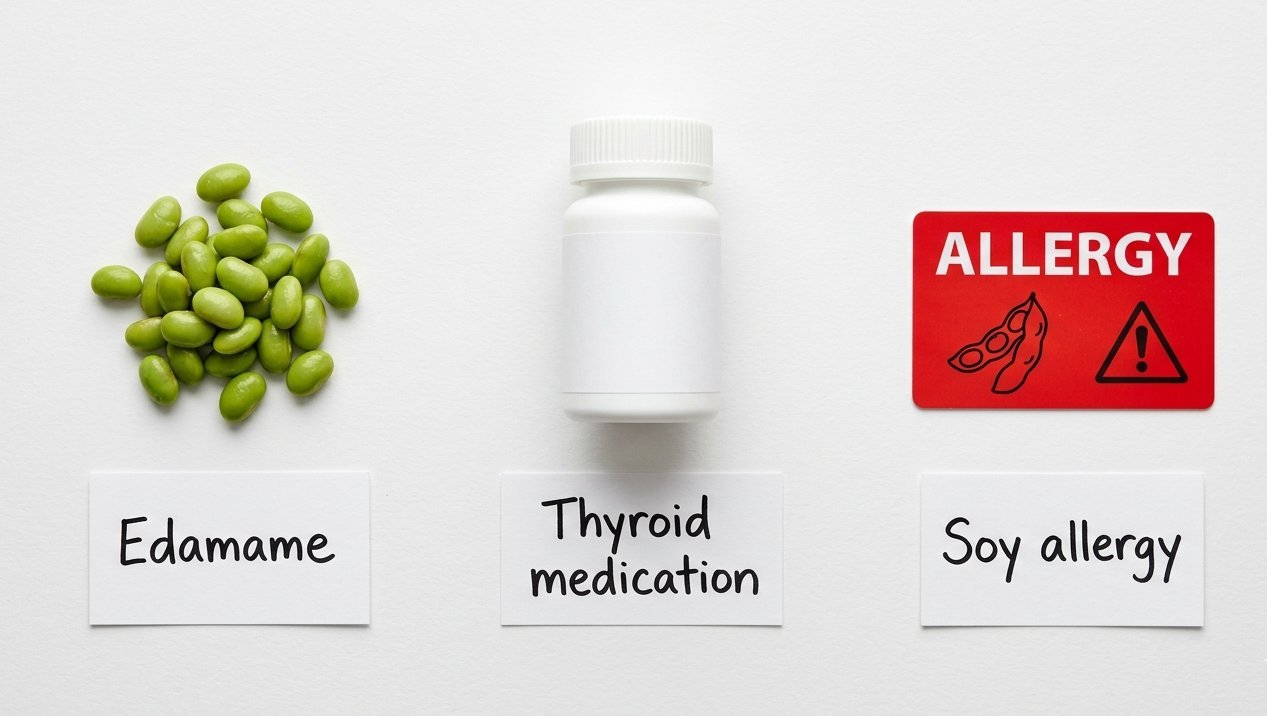
Soy is one of the eight major food allergens. People with a diagnosed soy allergy must avoid edamame entirely, including edamame in soups, salads, and processed foods where soy appears under various names. Soy allergy can cross-react with peanuts and other legumes in some individuals. Symptoms range from hives and digestive upset to severe anaphylaxis in highly sensitised people. So, is edamame good for you if you have a soy allergy? No: complete avoidance is necessary.
Thyroid conditions
Soy isoflavones can interfere with the absorption of synthetic thyroid hormone (levothyroxine) when consumed close together. The American Thyroid Association advises people taking thyroid medication to avoid soy products within three to four hours of their dose. Edamame eaten at other times of day in moderate amounts is widely regarded as safe for people with well-managed thyroid conditions. Is edamame good for you if you have hypothyroidism? Usually, yes, with the right timing. Discuss with your doctor.
Hormone-sensitive conditions
People with hormone-sensitive cancers sometimes receive advice to limit phytoestrogen intake. The evidence here is nuanced. Population studies in high-soy-consumption countries consistently show lower, not higher, rates of hormone-related cancers. Current guidance from major cancer institutions suggests that whole food soy sources like edamame are safe in moderate amounts for most people, including breast cancer survivors.
High-dose isoflavone supplements are a different matter entirely. Is edamame good for you if you have an oestrogen-receptor-positive cancer? Current evidence suggests it is safe in food amounts, but the answer to that question must come from your oncologist or dietitian rather than general guidance.
How to include edamame in your diet
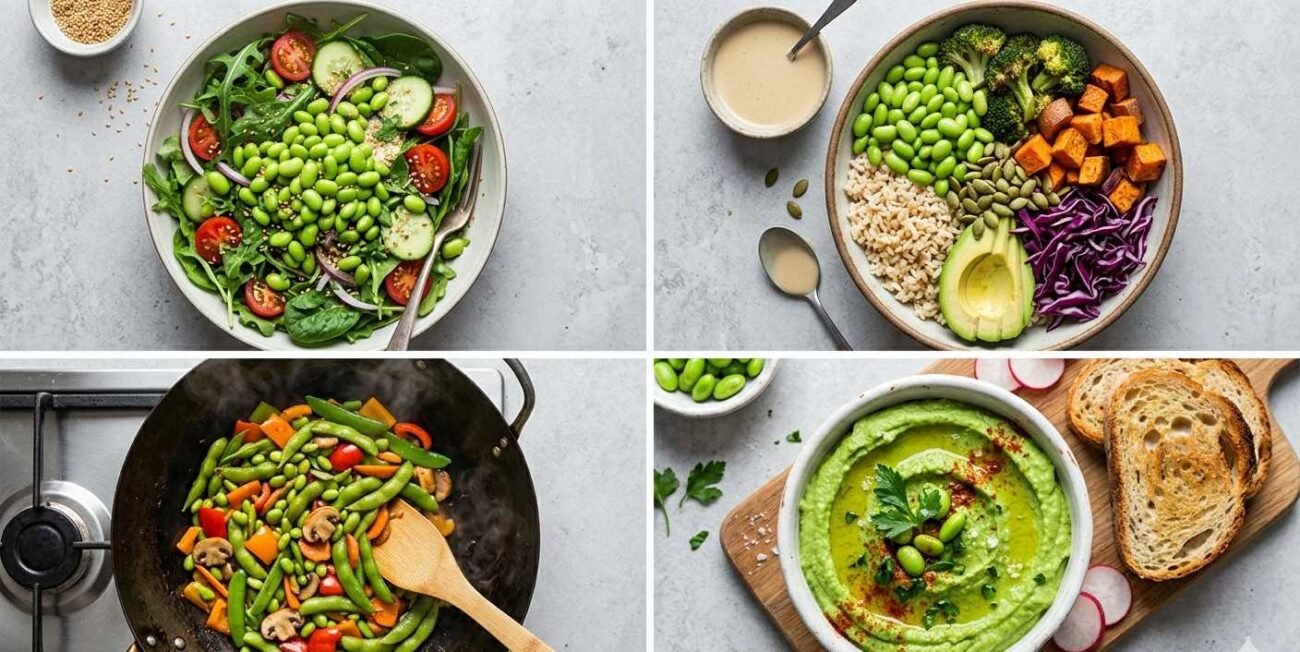
Edamame is one of the most convenient plant proteins available. Frozen edamame cooks in three to five minutes and needs no soaking or lengthy preparation. Here are practical ways to use it:
- Steamed in the pod with sea salt as a snack or starter
- Shelled and tossed into green salads, grain bowls, or pasta dishes
- Blended into a dip with garlic, lemon, and olive oil as a hummus alternative
- Added to stir-fries in the final two minutes of cooking to retain texture
- Mixed into fried rice or noodle dishes for a protein and fibre boost
- Pureed into a bright green soup alongside vegetable stock and fresh herbs
A reasonable serving for most adults is half a cup to one cup of shelled edamame two to four times a week. This delivers meaningful nutritional benefits without pushing phytoestrogen intake beyond levels that have been studied safely in long-term research.
For more on plant-based nutrition and managing health through diet, see our article on back ache, lower right and how daily habits affect pain.
Final verdict: Is edamame good for you?
Is edamame good for you? For the vast majority of healthy adults, yes. It is a complete protein, a significant source of fibre, a meaningful contributor to heart and bone health, and one of the most versatile plant foods you can add to a regular diet. The evidence base for edamame good for you claims is genuinely solid, not hype.
Is edamame good for you if you have specific health conditions? That depends on the condition. Soy allergy is an absolute contraindication. Thyroid medication users need to time their intake carefully. People with hormone-sensitive cancers should seek personalised guidance. For everyone else, is edamame good for you as a regular dietary staple? The answer is a well-supported yes.
For further reading on evidence-based nutrition and body health, see our guides on how long does nicotine stay in your system and RSV rash: symptoms and home care.

Frequently asked questions
Is edamame good for you if you are trying to lose weight?
Yes. The combination of 17 grams of protein and 8 grams of fibre per cup promotes fullness and reduces overall calorie intake across the day. Research regularly links high-protein, high-fibre diets to better weight management outcomes. At 189 calories per cup, edamame is a high-satiety food that compares very favourably to most snack alternatives. Replacing calorie-dense, low-nutrient snacks with edamame is one of the simplest dietary upgrades for weight management.
Is edamame good for you every day?
For most healthy adults, eating edamame daily in moderate amounts of half a cup to one cup is safe and beneficial. The isoflavone intake from whole food sources at typical serving sizes sits well within the range studied in long-term population research without adverse effects. People with thyroid conditions, soy allergy, or hormone-sensitive cancers should consult their doctor before making edamame a daily staple.
Is edamame good for you compared to other legumes?
Edamame stands out primarily because it is a complete protein containing all nine essential amino acids, whereas most other legumes are limited in methionine or another essential amino acid and need grain pairing for a full profile. Edamame also delivers more protein per serving than most legumes and provides isoflavones not found in significant amounts in non-soy legumes. For overall nutritional density, edamame ranks among the best legume options.
Is edamame good for you during pregnancy?
Yes, in most cases. Edamame is an excellent source of folate, at 482 micrograms per cup, which is critical for neural tube development in early pregnancy. It also provides iron, calcium, and protein, all of which have elevated requirements during pregnancy. Women with thyroid conditions or soy allergy should consult their midwife or doctor. For most pregnant women without these conditions, edamame is a nutrient-dense addition to a well-rounded prenatal diet.
Is edamame good for you if you have diabetes?
Yes. Edamame has a low glycaemic index, meaning it causes a slow, modest rise in blood sugar rather than a spike. The high fibre content slows glucose absorption further. The 17 grams of protein per cup additionally contributes to satiety and helps stabilise blood sugar between meals. Multiple studies have found that legume-rich diets are associated with better glycaemic control in people with type 2 diabetes. Edamame is one of the most suitable plant proteins for people managing blood sugar.
The information in this article is for educational purposes only and does not replace professional medical advice, diagnosis, or treatment. Always consult a qualified healthcare provider for any concerns about your health or before starting any new treatment. Doctiplus does not endorse specific products, brands, or providers mentioned for illustrative purposes.