

Pain in Left Arm: Could It Be Serious? Causes and Warning Signs Explained

Pain in left arm is one of those symptoms that stops people mid-movement. It may be nothing more than a pulled muscle. But because the left arm is also one of the first places heart trouble can make itself known, it deserves your attention. Here is what the pain might mean, and exactly when you need to act fast.
Why left arm pain gets so much attention
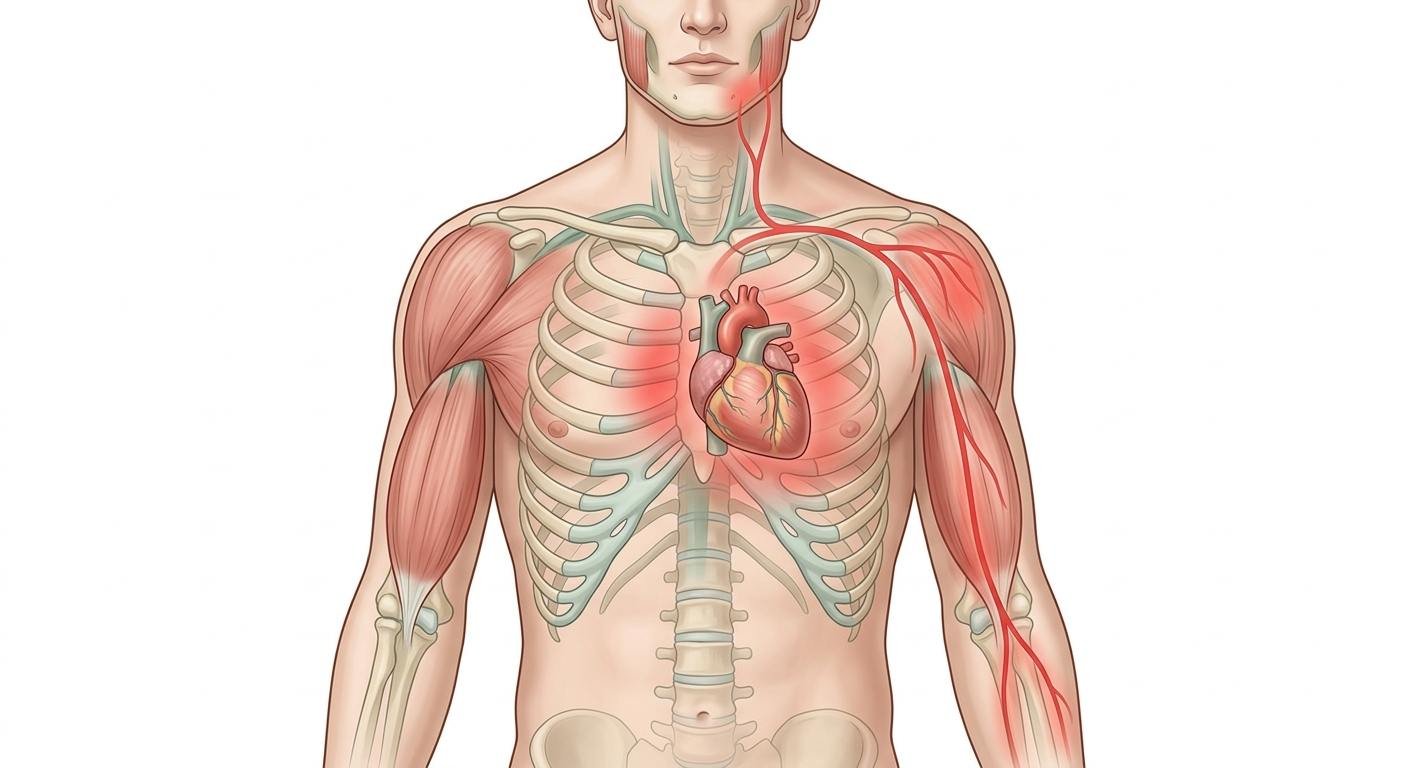
The heart shares nerve pathways with several parts of the upper body, including the left shoulder, jaw, and arm. When the heart muscle is under stress, the brain can misread the pain signals as coming from the arm rather than the chest. This is called referred pain, and it is the reason left arm pain is always taken seriously by doctors.
That said, the heart is not the culprit in most cases. According to the Mayo Clinic, the overwhelming majority of left arm pain stems from musculoskeletal problems: strained muscles, compressed nerves, or irritated joints. Knowing the difference can save your life, or at least save you an unnecessary trip to the emergency room.
Common non-cardiac causes of pain in left arm
Muscle strain or overuse

This is the most common reason your left arm hurts. Heavy lifting, a new workout, repetitive overhead movements, or sleeping at an awkward angle can all strain the muscles in your arm, shoulder, or upper back.
The pain tends to be dull and aching, concentrated in one spot, and it usually eases with rest. You may notice it gets worse when you use that arm and better when you leave it alone. There is no accompanying chest pressure, nausea, or shortness of breath.
Pinched nerve (cervical radiculopathy)
A nerve in your neck can become compressed when a disc bulges or a joint becomes inflamed. This sends pain, tingling, or weakness traveling down one arm, often following a specific path from the neck to the fingers.
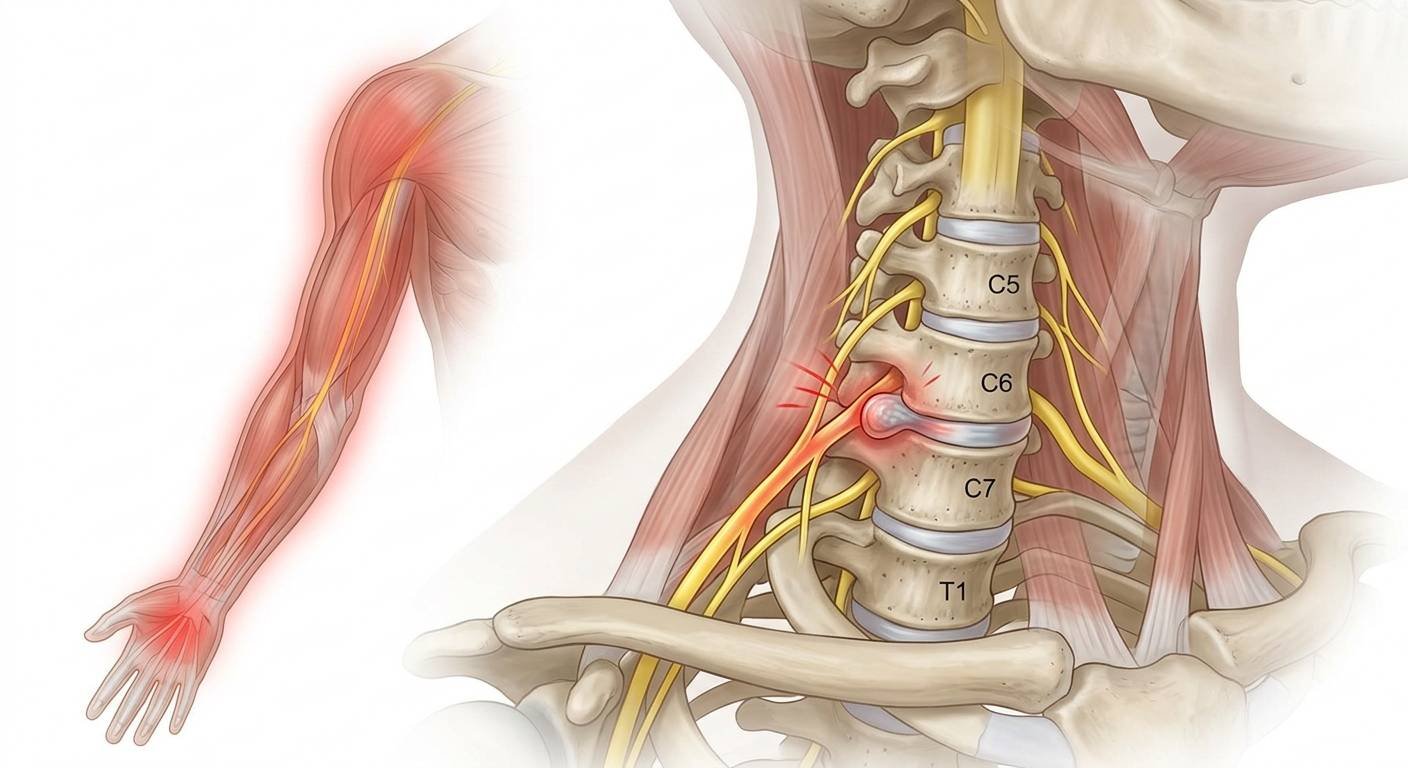
Poor posture during long hours at a desk, a history of neck injury, or age-related wear in the cervical spine are the usual culprits. If you also feel numbness in your fingers or notice your grip feels weaker than usual, a pinched nerve is a likely explanation.
Shoulder issues (rotator cuff or bursitis)
The rotator cuff is a group of four muscles and their tendons that stabilize the shoulder joint. A partial tear, tendinitis, or inflammation of the fluid-filled sac called the bursa can all produce pain that radiates from the shoulder into the upper arm.
Movement tends to make it worse, particularly reaching overhead or rotating the arm. The pain is usually present at rest too, and many people find it disturbs their sleep when they roll onto that shoulder.
Carpal tunnel syndrome and repetitive strain
Carpal tunnel syndrome occurs when the median nerve is compressed at the wrist. While most people associate it with wrist and hand discomfort, the pain and tingling can travel up through the forearm and into the arm.
People who type for long hours, work on assembly lines, or use vibrating tools are most affected. If you notice the symptoms are worst at night or first thing in the morning, and shaking your hand brings temporary relief, carpal tunnel is worth investigating with a doctor.
When pain in left arm could be cardiac
Heart attack warning signs

A heart attack happens when blood flow to part of the heart muscle is blocked. The pain often does not feel like what people expect. It can be a dull pressure or a squeezing in the chest, not always a sharp stabbing sensation. Left arm pain is one of the most common accompanying symptoms.
Call emergency services immediately if your left arm pain comes with any of the following:
- Chest pressure, tightness, or squeezing
- Shortness of breath
- Nausea or vomiting
- Cold sweating
- Pain or discomfort in the jaw, neck, or back
- Lightheadedness or sudden dizziness
Do not drive yourself to the hospital. Do not wait to see if it passes. Every minute of delay causes more heart muscle damage. According to the CDC, acting within the first hour of a heart attack dramatically improves survival and recovery results.
Women, people with diabetes, and older adults sometimes experience heart attacks without classic chest pain, making left arm discomfort the most prominent symptom. Take it seriously regardless of your age or fitness level.
Angina
Angina is chest pain that occurs when the heart is not receiving enough oxygen-rich blood, usually because of narrowed coronary arteries. It often radiates to the left arm, shoulder, or jaw, and is triggered by physical exertion, emotional stress, or even a heavy meal.
Unlike a heart attack, angina typically resolves within a few minutes of rest or after taking prescribed nitroglycerin. It is a warning that the heart is under strain. If you have been diagnosed with angina and your symptoms are becoming more frequent, lasting longer, or occurring at rest, see your doctor promptly. This pattern, called unstable angina, requires urgent evaluation.
When to seek immediate emergency care

Some situations require a call to emergency services, not a scheduled appointment. Seek emergency care right away if you experience:
| Left arm pain with chest pressure or tightness | Classic heart attack presentation |
| Left arm pain with jaw, neck, or back pain | Referred cardiac pain pattern |
| Shortness of breath alongside arm pain | Possible cardiac or pulmonary emergency |
| Sudden cold sweat, nausea, or lightheadedness | Autonomic response to cardiac event |
| Left arm pain with no obvious physical cause | Unexplained pain warrants immediate assessment |
| Pain that appeared suddenly and is severe | Needs same-day evaluation at a minimum |
The general principle here is simple: if you are unsure whether it is your heart, treat it as though it is until a professional rules it out. Being reassured is a far better outcome than waiting too long.
When to see a doctor (non-emergency)
Not every episode of left arm pain is an emergency. You should arrange a non-urgent appointment with your doctor if:
- The pain has lasted for more than a few days without improvement.
- It gets worse with specific movements like lifting or reaching.
- You notice swelling, bruising, or tenderness in one area.
- Numbness or tingling runs down the arm into your fingers.
- You have a history of neck problems, shoulder injury, or repetitive strain.
Your doctor may order imaging, such as an X-ray or MRI, to look for disc problems or soft tissue injuries. If there is any cardiac concern, an ECG and blood tests can rule out heart involvement quickly.
For more on related conditions, see our article on backache, lower right causes and treatment and our guide to bumps on the back of the tongue and what causes them.
Frequently asked questions
Can stress cause pain in the left arm?
Yes. Psychological stress triggers the release of cortisol and adrenaline, which can induce muscle tension and increased heart rate. Some people experience referred discomfort in the arm in intense anxiety or panic attacks. However, stress-related arm pain should never be assumed without ruling out cardiac causes first. If the pain is new, severe, or comes with other symptoms, seek medical evaluation rather than blaming it on stress alone.
Is left arm pain always a sign of a heart attack?
No. Most left arm pain is not cardiac in origin. Muscle strain, nerve compression, shoulder injuries, and repetitive strain are far more common causes. The key is to look for accompanying symptoms: chest pressure, shortness of breath, nausea, and sweating raise the concern significantly. Pain that appears only with movement and resolves with rest is more likely musculoskeletal.
How do I know if my left arm pain is muscular or cardiac?
Muscular pain is usually localized, tender to the touch, and worsens with specific movements. It often follows physical activity or an unusual sleeping position. Cardiac pain tends to be diffuse, hard to pinpoint with one finger, and may come with pressure in the chest, jaw, or back. If you are uncertain, err on the side of caution and call for help.
Can a pinched nerve in the neck cause left arm pain?
Yes. The nerves that supply the left arm exit the spinal cord in the cervical (neck) region. A herniated disc or arthritic change at these levels can compress the nerve root and send pain, tingling, or weakness down the arm. This is called cervical radiculopathy. It is typically diagnosed with an MRI and treated with physiotherapy, anti-inflammatory medication, or in some cases, a minimally invasive procedure.
What is the fastest way to relieve non-cardiac left arm pain at home?
For muscle strain, rest the arm and apply ice for the first 24 to 48 hours, then switch to heat. Over-the-counter anti-inflammatory medication, such as ibuprofen, can reduce swelling and discomfort. Gentle stretching of the neck and shoulder can help if a pinched nerve is suspected. If pain does not improve within 5 to 7 days, see a doctor rather than continuing to manage it alone.
The information in this article is for educational purposes only and does not replace professional medical advice, diagnosis, or treatment. Always consult a qualified healthcare provider for any concerns about your health or before starting any new treatment. Doctiplus does not endorse specific products, brands, or providers mentioned for illustrative purposes.
References
- Mayo Clinic, left arm pain and causes overview.
- Centers for Disease Control and Prevention, heart attack symptoms and early action guidelines.
- Cleveland Clinic, angina: causes, symptoms, and treatment.
- National Institute of Neurological Disorders and Stroke, carpal tunnel syndrome fact sheet.
- Harvard Health Publishing, cervical radiculopathy and pinched nerve in the neck.