

Ingrown Hair Turned Into Hard Lump Under Skin: Causes, Treatment, And Prevention

An ingrown hair turned into hard lump under skin is one of the most common skin complaints among people who shave or wax regularly. The bump appears small at first, but without the right care, an ingrown hair turned into hard lump under skin can become a firm, painful nodule that sits just beneath the surface and refuses to budge. This guide explains exactly why it happens, how to treat the bump at each stage, and when to stop managing it at home.
What happens when an ingrown hair gets trapped?
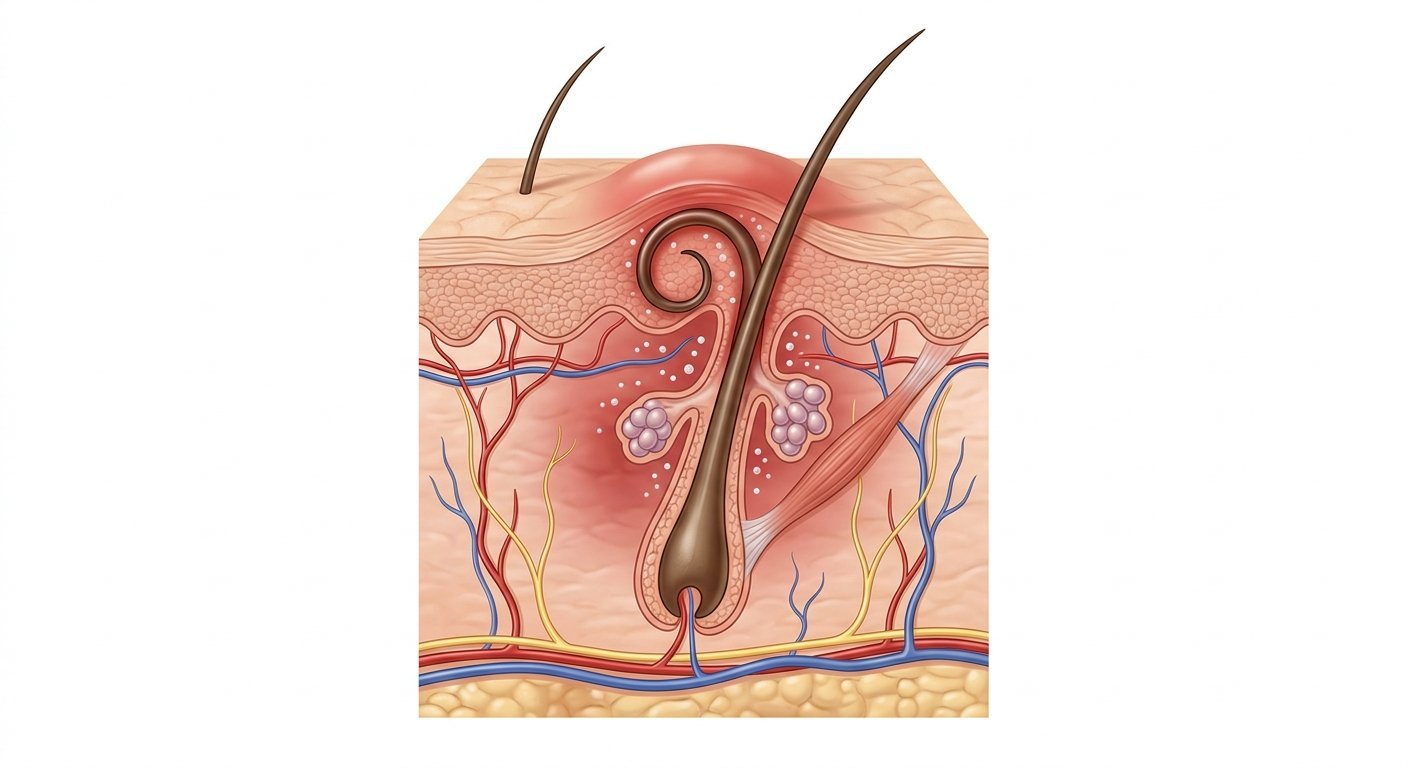
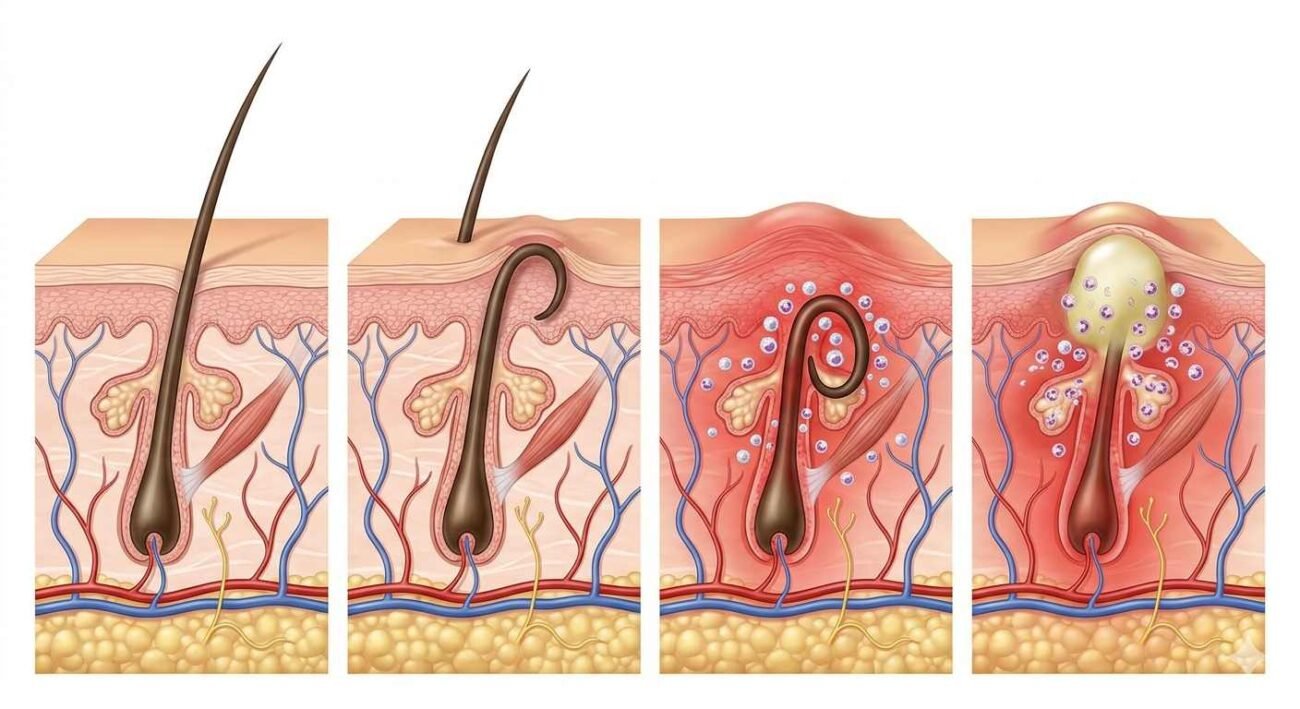
Normally, a hair grows upward through the follicle and breaks cleanly through the skin. An ingrown hair does the opposite: it curls back into the dermis or grows sideways beneath the surface, never breaking through.
The immune system treats the trapped hair as a foreign object and launches a localised inflammatory response. That reaction, white blood cells, fluid, and cellular debris collecting around the follicle, is what you feel as the lump. Whether the ingrown hair turned into hard lump under skin, stays a minor firm nodule or escalates into an infected cyst depends largely on how quickly it is addressed.
Why an ingrown hair turns into a hard lump under skin
Inflammation without infection
Even without bacteria, the immune response alone produces a firm bump. White blood cells, fluid, and dead skin cells accumulate around the trapped hair, creating what is medically known as a pseudofolliculitis or follicular cyst. This ingrown hair hard lump under skin is tender when pressed and has no visible head. Many resolve on their own once the hair eventually works its way back to the surface, but this can take several weeks.
Infected ingrown hair (folliculitis)
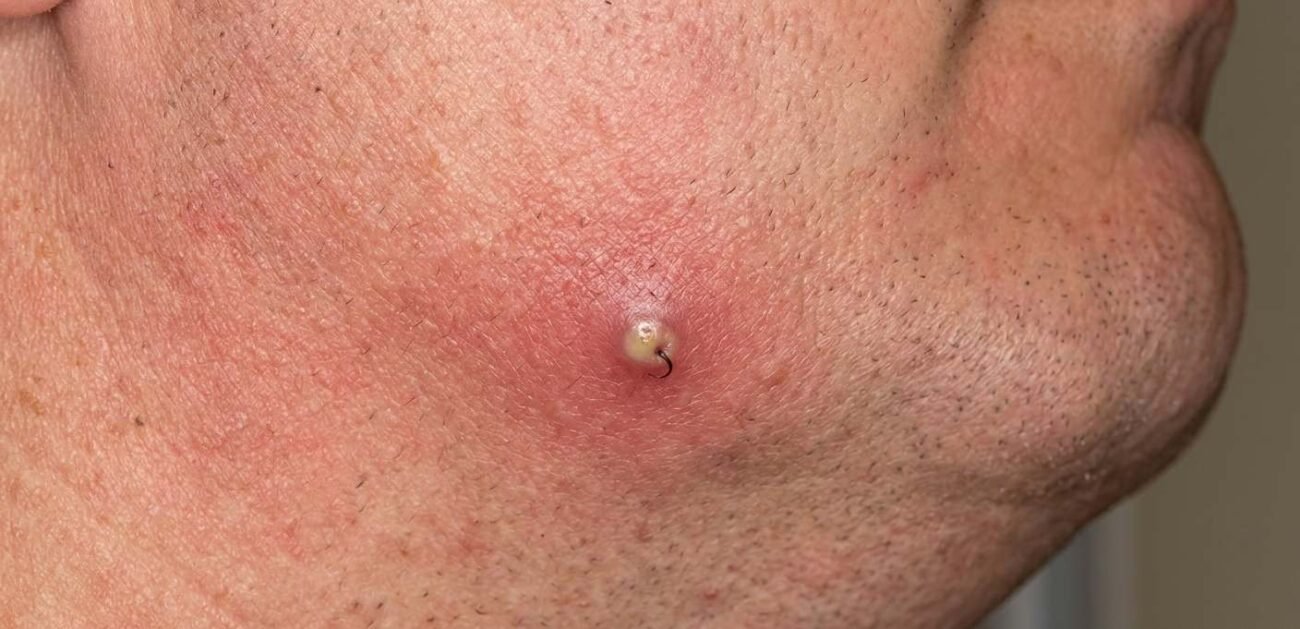
When bacteria, most commonly Staphylococcus aureus, enter the follicle through a microbreak in the skin, the bump becomes an infection. Medically, this is folliculitis. The lump turns red, warm, and significantly more painful, and a white or yellow pus head forms inside. According to the American Academy of Dermatology, untreated folliculitis can progress to a boil or abscess requiring professional drainage.
Epidermoid or pilar cyst
When the same follicle suffers repeated ingrown hairs, chronic inflammation can trigger cyst formation. An epidermoid cyst is a smooth, dome-shaped lump filled with keratin. A pilar cyst is structurally similar but forms most often on the scalp. Both feel like a firm marble under the skin, and neither will resolve without medical treatment. This is the long-term outcome of an untreated or repeatedly recurring ingrown hair turned into hard lump under skin.
Where ingrown hair most often turns into hard lump under skin
Any area that is regularly shaved, waxed, or subjected to friction can develop this problem:
| Body area | Why it is most prone |
| Beard and neck | Daily shaving on curved skin; hairs regrow at inward angles |
| Bikini line | Coarse hair combined with friction from tight clothing after removal |
| Legs | Frequent shaving, often with dull or multi-blade razors |
| Underarms | Thin skin, multiple hair growth directions, frequent removal |
| Scalp | Very short cuts or tight hairstyles force hairs back into follicles |
People with naturally curly or coarse hair carry the highest risk because the curved hair shaft is structurally more likely to re-enter the skin after being cut. Pseudofolliculitis barbae, a chronic ingrown hair hard lump under skin condition in the beard area, is especially prevalent in people of African, Latino, and Middle Eastern heritage.
How to treat an ingrown hair hard lump under skin at home
Most non-infected lumps respond well to consistent home care. The goal is to coax the hair back to the surface without breaking the skin open and introducing bacteria.
Warm compress: Apply a clean, warm, damp cloth for 10 to 15 minutes, three to four times daily. Heat softens the overlying skin and increases blood flow, drawing the ingrown hair closer to the surface. Start here for any ingrown hair turned into hard lump under skin before trying anything else.

Gentle exfoliation: After two to three days of warm compresses, use a soft washcloth or mild scrub in slow circular motions over the bump. This clears dead skin cells blocking the hair’s exit.
Diluted tea tree oil: Mix 2 to 3 drops into a teaspoon of carrier oil (coconut or jojoba) and apply with a cotton pad once or twice daily. Tea tree oil has documented antibacterial properties that reduce infection risk in a non-infected ingrown hair hard lump under skin. Never apply undiluted.
Do not squeeze: Squeezing forces bacteria deeper into the follicle, converts a sterile inflammation into an active infection, and is the primary cause of post-ingrown-hair scarring. If the looped hair is visibly just beneath the surface, lifting the tip with a sterilised needle is acceptable. Digging deeper is not.
When to see a doctor
Most lumps resolve within one to two weeks of home care. Seek medical attention if:
- The ingrown hair hard lump under skin has been present for more than three to four weeks with no reduction.
- Redness, heat, or pain is spreading to the surrounding tissue.
- The bump is draining pus or has a dark discolouration at its centre.
- You develop a fever alongside the lump.
- The ingrown hair turned into hard lump under skin keeps returning in the exact same spot.
A doctor may lance and drain an abscess, prescribe antibiotics for folliculitis, or arrange surgical cyst removal. The NHS guidance on ingrown hairs recommends seeking care promptly for any lump with spreading redness or fever. For related skin symptoms, see our article on bumps on the back of tongue and what causes them.
Prevention: stopping ingrown hair from turning into hard lump under skin
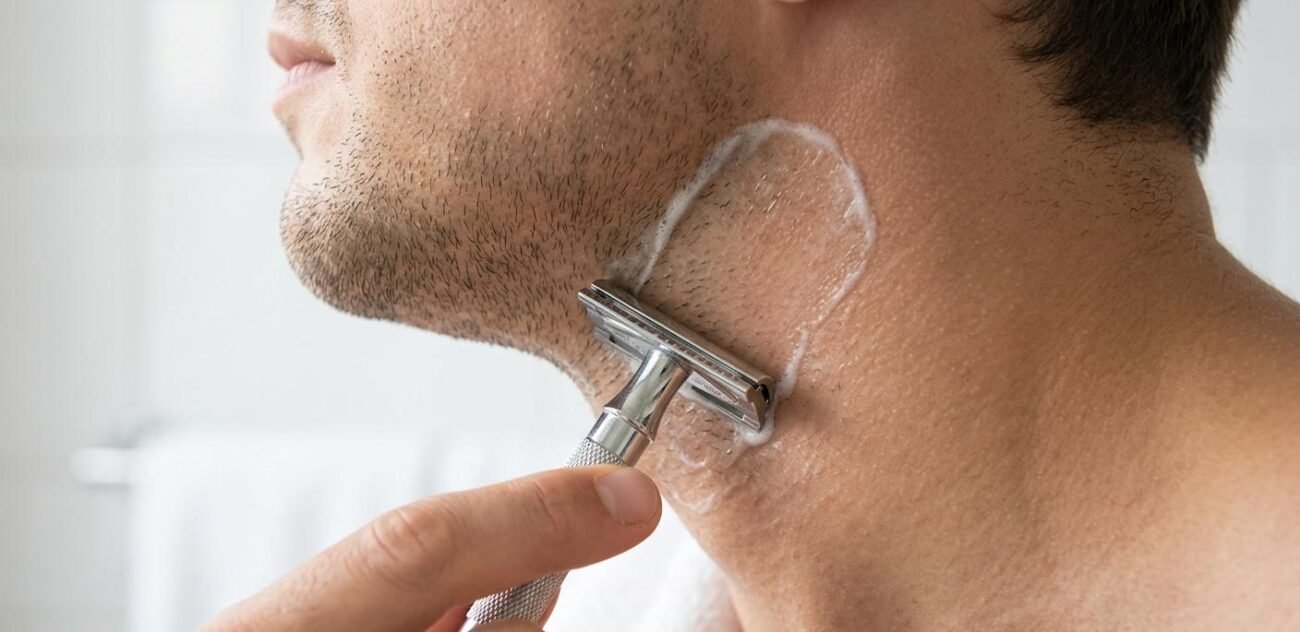
Prevention is far simpler than treatment. These habits address the root cause at every stage of hair removal.
Exfoliate 24 hours before shaving: A gentle scrub lifts hairs away from the surface and clears dead skin cells, reducing the chance of any ingrown hair turned into hard lump under skin forming after your next shave.
Use a sharp single-blade razor: Multi-blade razors cut hair below the skin surface, making inward regrowth more likely. A single-blade or safety razor cuts cleanly at skin level.
Shave with the grain: Shaving in the direction of hair growth reduces the frequency of inward-angled cuts that cause bumps.
Moisturise daily: Well-hydrated skin is more supple and allows hair tips to break through the surface more easily, especially in the days after shaving.
Consider laser hair removal for chronic cases: For people who repeatedly develop an ingrown hair hard lump under skin in the same area, laser hair removal offers the most effective long-term resolution. Research published in the Journal of the American Academy of Dermatology shows a significant reduction in pseudofolliculitis barbae across a treatment course. For more on managing recurrent body conditions, also see our article on backache, lower right: causes and treatment.
Frequently asked questions
Why has my ingrown hair turned into a hard lump under skin that will not go away?
A lump persisting beyond two to three weeks has usually developed into a cyst or a deeper infection. Repeated inflammation in the same follicle causes tissue to wall off and harden into an epidermoid cyst the body cannot reabsorb. A doctor can determine whether drainage, antibiotics, or cyst removal is appropriate. Continuing home treatment indefinitely without improvement is not advisable.
Is an ingrown hair hard lump under skin dangerous?
In most cases, no. A non-infected ingrown hair hard lump under skin is uncomfortable but not dangerous. The risk rises when infection is left untreated: folliculitis can progress to an abscess, and in rare cases to cellulitis, a spreading skin infection requiring urgent antibiotics. A lump that is growing rapidly, very hot, or accompanied by fever needs same-day medical attention.
How long does it take for the lump to go away?
A non-infected bump typically clears within one to two weeks of daily warm compresses and gentle exfoliation. An infected lump with folliculitis may take two to three weeks, particularly with a course of antibiotics. A cyst formed from chronic inflammation will not resolve without medical intervention and should be assessed by a doctor if present for more than a month.
Can squeezing make an ingrown hair lump worse?
Yes, significantly. Squeezing forces surface bacteria deeper into the follicle, converts a sterile bump into an active infection, and ruptures the follicle wall internally, all of which extend healing time and increase scarring risk. The only safe home action is using a sterilised needle to lift a hair tip that is already visibly just beneath the surface. Anything deeper needs professional care.
Can an ingrown hair turned into hard lump under skin come back in the same spot?
Yes. Once a follicle has been repeatedly inflamed, the surrounding tissue scars and the follicle can become permanently misaligned. Future hairs grow at the angle that caused the original problem. If the same spot develops an ingrown hair turned into hard lump under skin every few weeks, home care alone will not break the cycle. Cyst removal or laser hair reduction for that area is the appropriate solution.
The information in this article is for educational purposes only and does not replace professional medical advice, diagnosis, or treatment. Always consult a qualified healthcare provider for any concerns about your health or before starting any new treatment. Doctiplus does not endorse specific products, brands, or providers mentioned for illustrative purposes.
References
1. American Academy of Dermatology — Ingrown hairs: diagnosis and treatment
2. Mayo Clinic — Folliculitis: symptoms, causes, and treatment
3. Cleveland Clinic — Epidermoid cysts overview
4. NHS — Ingrown hairs: causes, treatment, and prevention
5. Journal of the American Academy of Dermatology — Pseudofolliculitis barbae and laser hair removal