

Left Eye Twitching for Females: Causes, Meaning, and When to See a Doctor
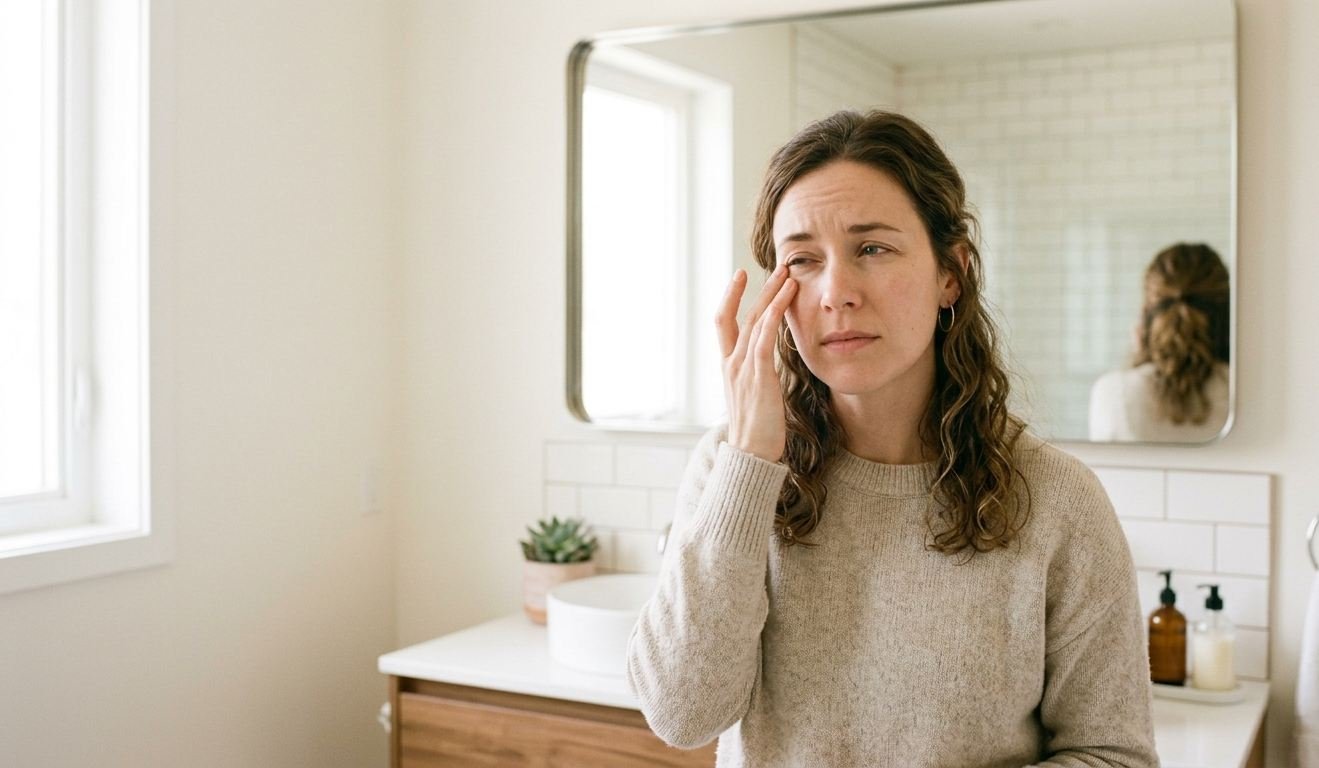
Your left eye starts fluttering in the middle of a work meeting and will not stop. Left eye twitching for females is one of the most commonly searched eye symptoms online. Women experiencing this automatic eyelid spasm often want both a medical explanation and a cultural one, since traditions in India, China, and other regions attach specific eye twitching meaning to which eye is affected. This guide covers the real eyelid spasm causes, the cultural beliefs around left eye twitching superstition, and when to see a doctor.
What is eye twitching, medically speaking?
The medical term for eyelid twitching is myokymia: spontaneous contractions of small muscle fibers in the eyelid. Myokymia is benign and does not signal a nerve disorder. The American Academy of Ophthalmology confirms that most myokymia resolves within days to weeks. It differs from blepharospasm (forceful blinking of both eyes) and hemifacial spasm (twitching spreading to the cheek), which need medical evaluation.
Is left eye twitching different from right eye twitching for females?
Medically, no. Both eyes share the same muscles and triggers. The eyelid spasm causes are identical whether left or right: stress, fatigue, caffeine, screen strain, and dry eyes. The left-versus-right distinction comes entirely from cultural traditions. The meaning of eye twitching varies by region, but the medical reality stays the same.
Top medical causes of left eye twitching for females
Below are the most common eyelid spasm causes behind left eye twitching for females, with a reference table summarizing triggers, duration, and self-care.
| Cause | Typical duration | Self-care that helps |
| Stress | Days to a few weeks | Sleep, breathing exercises, and walks |
| Caffeine | Hours after intake | Reduce coffee and tea to below 300 mg daily |
| Screen strain | Days while heavy use continues | 20-20-20 rule, blue light filter |
| Dry eyes | Recurrent until treated | Lubricating drops, hydration |
| Magnesium deficiency | Until levels restored | Leafy greens, nuts, supplements |
| Hormonal shift | Linked to a cycle or pregnancy | Track patterns, consult the provider |
| Fatigue | Days until sleep improves | 7 to 8 hours nightly, consistent schedule |
| Allergies | Seasonal or exposure-based | Antihistamines, avoid irritants |
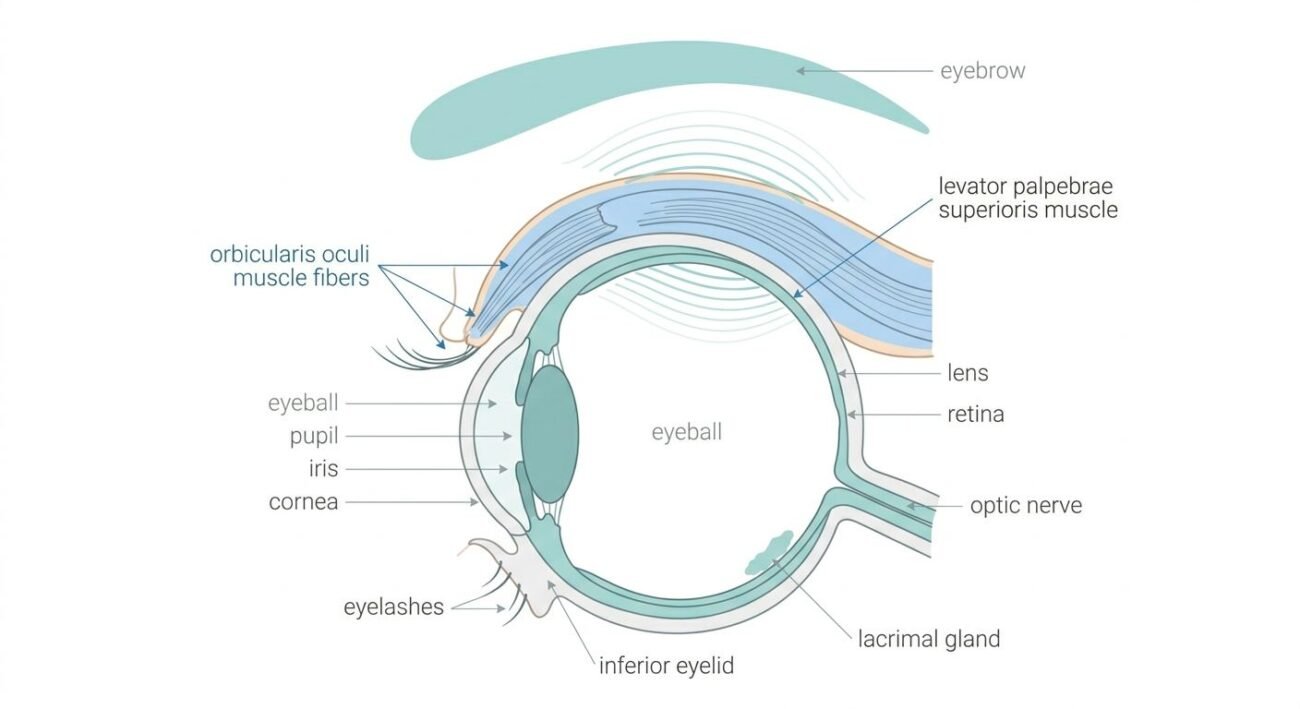
Stress and emotional strain
Stress is the top trigger for an eye twitch. Rising cortisol makes eyelid muscles hyperexcitable. Women with high stress are more likely to have left eye twitching lasting days. See our guide to stress management techniques on Doctiplus.
Fatigue and poor sleep
Fewer than 7 hours of sleep strongly predicts myokymia. The eyelid muscles are tiny, and fatigue affects them fast. Improving your sleep schedule often stops left eye twitching within days.
Excess caffeine intake
More than 400 milligrams of caffeine daily (about four cups of coffee) correlates with eyelid twitching. Cutting to under 300 milligrams is one of the fastest ways to resolve a stress eye twitch.
Eye strain from screens
Long screen hours are a leading cause of eyelid spasm in women at desks. The 20-20-20 rule helps: every 20 minutes, look 20 feet away for 20 seconds. See our article on computer vision syndrome.
Dry eye syndrome
Reduced tear film irritates eyelid muscles and triggers myokymia. Dry eye is more common in women after 40. The Cleveland Clinic recommends lubricating drops and hydration. See our dry eye treatment guide for more.
Magnesium and electrolyte imbalance
Low magnesium, potassium, or calcium triggers neuromuscular spasms, including myokymia. Women following restrictive diets are at higher risk. Spinach, almonds, and pumpkin seeds help. See our article on magnesium deficiency symptoms.
Hormonal changes
Pregnancy, menstruation, and menopause shift fluid balance and stress hormones in ways that can trigger left eye twitching for females. Tracking twitching alongside your cycle can reveal a hormonal pattern worth discussing with your provider.
Allergies and irritants
Pollen, dust, makeup, and contact lens irritation inflame the eyelid and trigger myokymia. Histamine makes eyelid muscles reactive. Antihistamine drops and steering clear of irritants help.

Cultural beliefs about left eye twitching in females
The meaning of eye twitching differs among cultures. These are folk traditions, not medical predictions, included because many women searching for left eye twitching for females are curious about cultural meanings.
Indian and Hindu astrology beliefs
In Indian traditions, left eye twitching superstition holds that an eyelid spasm in women signals good news, financial gain, or the arrival of a loved one. For men, the same twitch is unfavorable. These beliefs come from Hindu astrology texts.
Chinese cultural analyses
Some Chinese folk beliefs interpret left eye twitching for females as a sign of misfortune, opposite to the Indian reading. Other traditions use the time of day to assign different meanings to eye twitching.
African and Caribbean folklore
Various traditions connect the left eye twitching superstition to an unexpected visitor or upcoming news. Interpretations differ by community.
Western superstition
Left eye twitching superstition is rare in the West, but some folk beliefs tie it to encountering someone from your past.
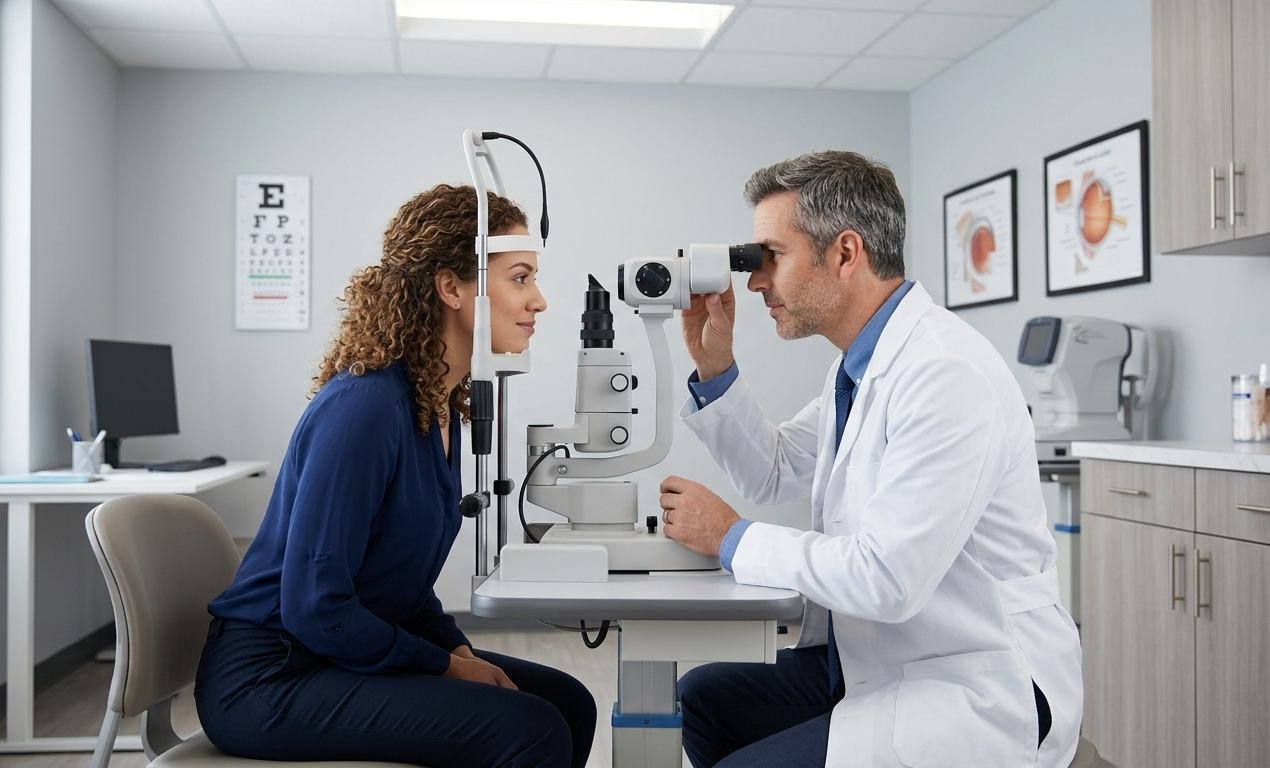
When the left eye is twitching needs medical attention
Most left eye twitching for females resolves within one to two weeks. See your doctor if you notice:
- Eyelid spasm lasting longer than two weeks despite rest and reduced caffeine.
- Twitching spreads to other parts of your face.
- Eye redness, swelling, or discharge with the twitch.
- A drooping eyelid (ptosis) develops alongside the twitching.
- Any vision change, including blurring or double vision.
- Myokymia forces the eye to close completely with each spasm.
Conditions that may cause persistent eye twitching
When myokymia does not resolve, your doctor may investigate:
- Blepharospasm: involuntary, forceful blinking of both eyes.
- Hemifacial spasm: twitching extending from the eyelid to the cheek and mouth.
- Bell’s palsy and other facial nerve disorders.
- Multiple sclerosis (rare) or Tourette syndrome and tic disorders.

How to stop left eye twitching at home
- Sleep 7 to 8 hours nightly on a consistent schedule.
- Cut caffeine to under 300 milligrams a day.
- Apply a warm compress over the closed eyelid for 5 to 10 minutes.
- Use preservative-free lubricating drops twice daily.
- Follow the 20-20-20 rule during screen time.
- Eat magnesium-rich foods: spinach, almonds, pumpkin seeds, and dark chocolate.
- Try eye palming: warm your palms together, then cup them over closed eyes for 30 seconds.
- Manage stress with breathing exercises, walks, or guided meditation.
Are there gender-specific factors for women?
The eye itself does not differ between sexes, but women have higher rates of dry eye after 40, hormone changes that increase eyelid spasm susceptibility, and higher reported chronic stress. These factors explain why left eye twitching in females is searched for more than the male equivalent. The Mayo Clinic confirms that the underlying myokymia mechanisms are identical across genders.
Frequently asked questions
Why does my left eye keep twitching for days?
Persistent left eye twitching usually results from overlapping stress, poor sleep, and caffeine. These eyelid spasm causes often combine. Sleep 7 to 8 hours, cut caffeine, and cut screen time simultaneously for the fastest relief.
Is left eye twitching for females a sign of pregnancy?
Left eye twitching is not a reliable pregnancy indicator, but pregnancy can trigger myokymia through hormonal shifts, fatigue, and fluid retention. A pregnancy test is far more accurate than relying on eyelid spasms.
How long does left eye twitching last?
Most myokymia lasts a few days to two weeks. If left eye twitching persists beyond two weeks despite sleep and reduced caffeine, see your eye care provider to rule out other eyelid spasm causes.
Can dehydration cause left eye twitching?
Yes. Dehydration lowers electrolyte levels, particularly magnesium and potassium, which eyelid muscles need to function smoothly. Drinking 8 to 10 glasses of water daily and eating electrolyte-rich foods helps prevent myokymia episodes.
Is left eye twitching a sign of a serious illness?
Rarely. The vast majority of left eye twitching in females is benign myokymia caused by daily habits. Serious conditions like blepharospasm or hemifacial spasm are uncommon and present with additional symptoms beyond a simple eyelid flutter.
Does the meaning of eye twitching change at different times of day?
Medically, no. The eyelid spasm stays the same regardless of the hour. However, some Chinese and Indian folk traditions assign different left eye twitching superstition meanings based on the specific time the twitch occurs. These are cultural, not medical.
Final thoughts
Left eye twitching for females is almost always a harmless myokymia response to stress, fatigue, caffeine, or screen strain. Understanding the real eyelid spasm causes helps you take targeted steps, from better sleep to magnesium-rich foods. The cultural beliefs around left eye twitching superstition are part of a rich global tradition,, but are folk interpretations, not medical facts. If your left eye twitching lasts beyond two weeks or comes with facial spreading, vision changes, or eyelid drooping, see your healthcare provider.
The information in this article is for educational purposes only and does not replace professional medical advice, diagnosis, or treatment. Always consult a qualified healthcare provider for any concerns about your health or before starting any new treatment. Doctiplus does not endorse specific products, brands, or providers mentioned for illustrative purposes.
References
- American Academy of Ophthalmology, eyelid twitch causes and information, accessed 2025.
- Mayo Clinic, eye twitching causes and when to see a doctor, accessed 2025.
- Cleveland Clinic, myokymia and eyelid spasm patient resources, accessed 2025.
- National Eye Institute (NIH), eye conditions and diseases overview, accessed 2025.
- Journal of Neuro-Ophthalmology, benign eyelid myokymia: review of clinical features and management.
- American Migraine Foundation, lifestyle triggers and neuromuscular symptoms, accessed 2025.