

What Does Ammonia Smell Like? Identifying the Odor and Health Risks

You open a bottle of glass cleaner, and a sharp sting hits the back of your nose before you even bring it close. That burning sensation is ammonia. But what does ammonia smell like when it shows up somewhere unexpected, like your sweat, your breath, or a room in your house? This guide covers how to identify the ammonia odor, its most common sources, and when exposure becomes a health concern.
What does ammonia smell like?
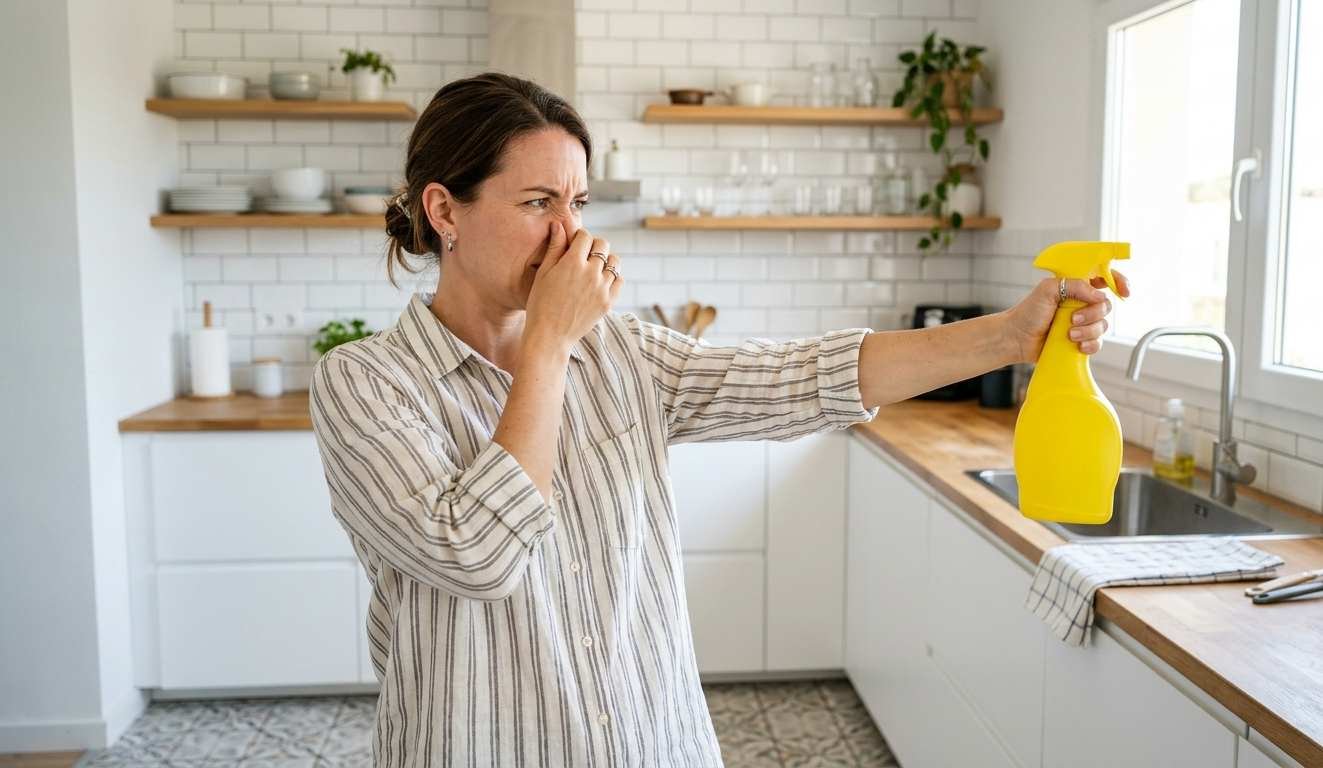
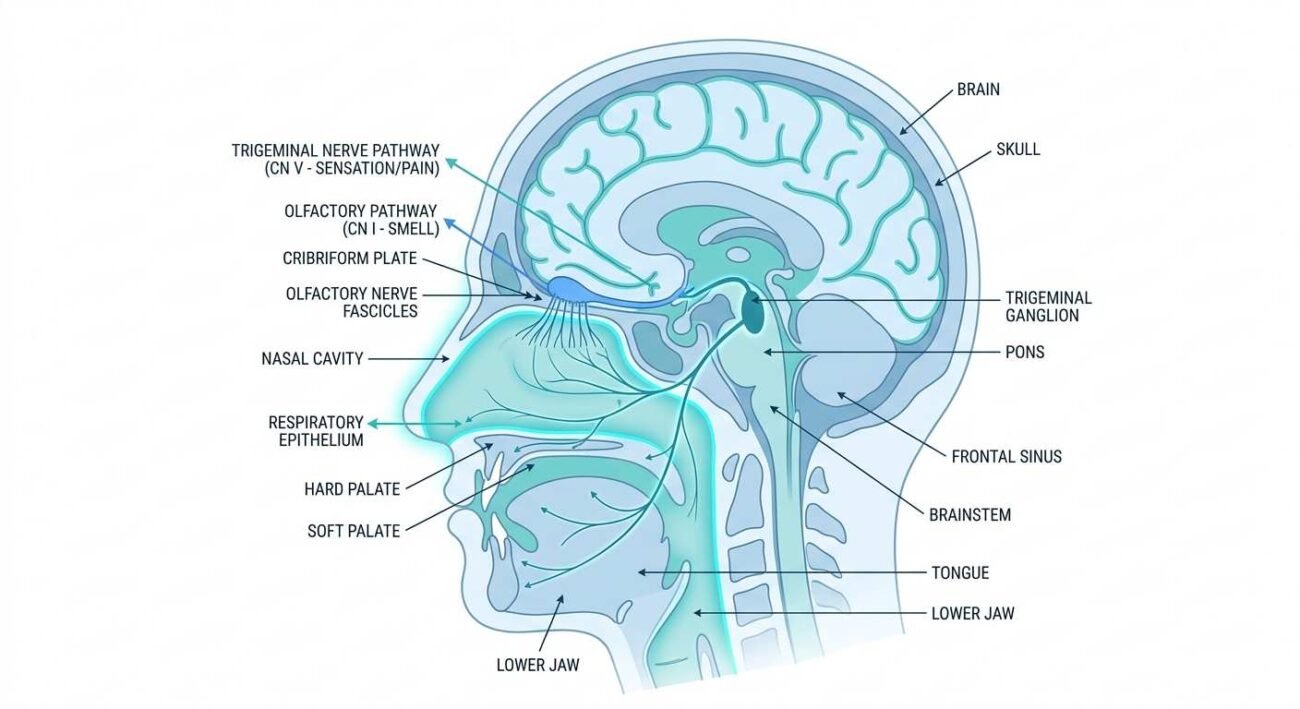
Ammonia has a sharp, pungent, nearly suffocating odor that most people find instantly recognizable. The closest everyday comparisons are strong urine, window cleaner, smelling salts, and the bite of an old cat litter box. Even at low concentrations, ammonia produces a burning sensation inside the nose because the ammonia odor activates the trigeminal nerve, the same nerve that detects pain. This is why your eyes may water at the same time.
How the human nose detects ammonia
Most people can detect ammonia at concentrations as low as 5 parts per million (ppm). Unlike many odors that rely only on smell receptors, ammonia triggers the trigeminal nerve endings within the nasal passages, which is why it feels physically irritating. According to the CDC, this sensitivity serves as an early warning, since concentrations above 50 ppm can cause real harm.
Common sources of ammonia smell at home
Cleaning products
Glass cleaners, multi-surface sprays, and oven degreasers frequently contain ammonia. The smell becomes especially strong in small, poorly ventilated spaces. Always use these products with a window open, and read our guide to safe household cleaning for practical ventilation tips.
Concentrated urine
Pet urine, especially from cats, is one of the strongest household sources of ammonia odor. As urine sits, the urea it contains breaks down into ammonia gas. Human urine can also produce a noticeable ammonia smell when a person is dehydrated. The more concentrated the urine, the stronger the smell.
Refrigerator and air conditioner leaks
Some older or industrial refrigerators and HVAC systems use ammonia-based coolants. A sudden, sharp smell near these units could indicate a coolant leak, which needs immediate inspection and professional repair. Do not attempt to fix ammonia coolant leaks yourself.
Spoiled food
Aged cheeses, fermented seafood, and rotting meat release ammonia compounds as proteins break down. If you open your refrigerator and notice a sharp sting, look for expired items before assuming a mechanical issue.
Hair dye and salon products
Permanent hair dyes often contain ammonia to open the hair cuticle for color penetration. The smell is strongest during mixing and application. Work in a well-ventilated room and avoid breathing the fumes directly.
Ammonia smell on or from the body
Ammonia smell in sweat
If your sweat smells like ammonia after intense exercise, your body may be burning protein for fuel instead of carbohydrates. This is common on low-carb diets. When amino acids are broken down for energy, ammonia is released as a byproduct through sweat. A small carbohydrate snack before workouts can help.
Ammonia breath
Breath that smells like ammonia can signal that the kidneys or liver are not clearing waste adequately. When these organs struggle, urea builds up in the blood and is partially released through the lungs. Persistent ammonia breath warrants a medical evaluation. For related warning signs, see our article on early signs of kidney disease on Doctiplus.
Ammonia smell in urine
Dehydration is the most common reason urine smells like ammonia. Concentrated urine has a higher ratio of waste products to water, intensifying the odor. Urinary tract infections, certain foods like asparagus, and pregnancy can contribute as well. Drinking more water usually resolves it within a day.
Vaginal ammonia smell
A mild ammonia-like scent from the vaginal area is frequently connected to sweat, concentrated urine on clothing, or dehydration. Bacterial vaginosis can also produce a similar odor. If the smell persists for more than a few days or is accompanied by unusual discharge, see your healthcare provider.
Health risks of ammonia exposure
The severity of ammonia exposure symptoms depends on concentration and duration. The table below, based on occupational safety data from OSHA, summarizes what to expect at different levels.
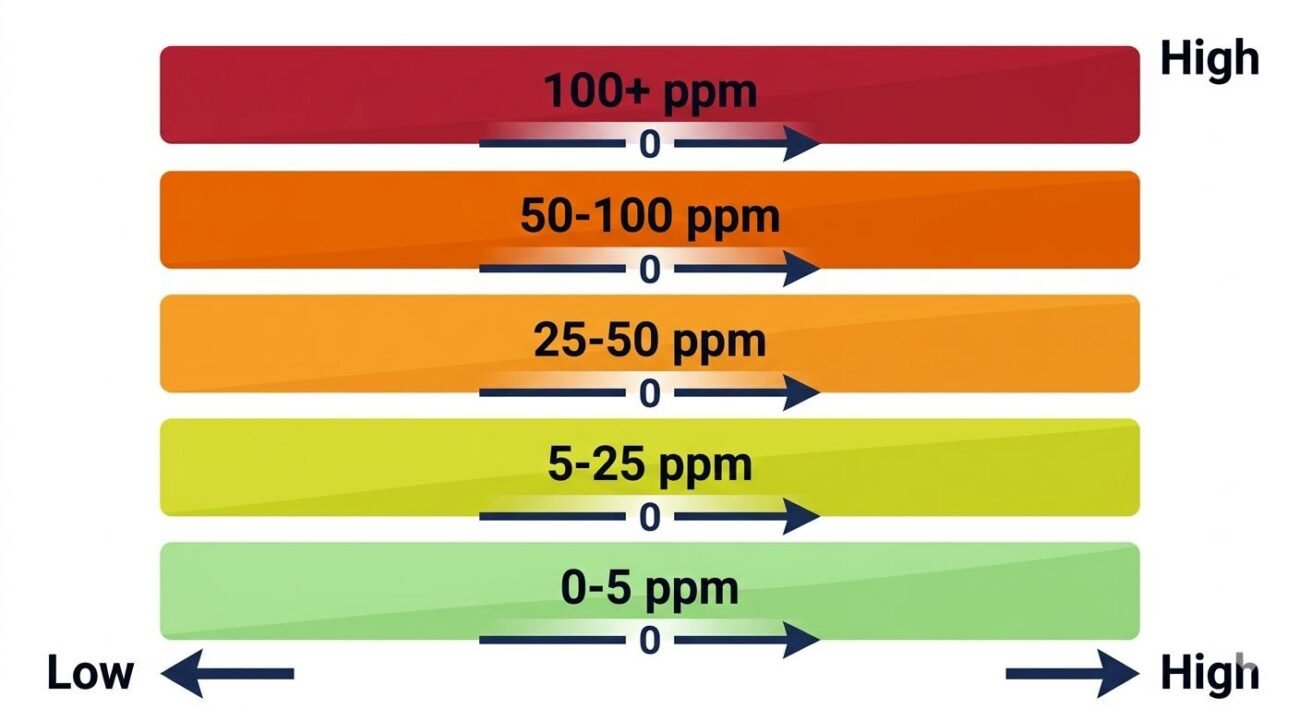
| Concentration (ppm) | Typical effect | Recommended action |
| Below 25 | Just detectable, mild irritation | Ventilate, monitor |
| 25 to 50 | Eye and throat irritation | Leave the area, ventilate fully |
| 50 to 100 | Coughing, watery eyes, headache | Evacuate, get fresh air |
| 100 to 300 | Severe respiratory irritation | Seek medical attention |
| Above 300 | Life-threatening chemical burns are possible | Call emergency services immediately |
At low levels, ammonia causes eye watering and a scratchy throat. Moderate exposure leads to coughing, headaches, and burning in the nose and lungs. High concentrations can cause chemical burns to the airways and pulmonary edema. Confined spaces with poor ventilation pose the greatest risk.
What to do if you smell ammonia
- Move to fresh air immediately. Do not stay in the area to investigate.
- Open windows and doors to ventilate the space.
- Identify the source only if it is safe to do so from a distance.
- Never mix ammonia with bleach. This combination releases toxic chloramine gas that can cause severe lung damage. See our guide on when to call poison control for emergencies involving chemical mixing.
- Remove contaminated clothing and rinse exposed skin with plenty of water for at least 15 minutes.
- Call poison control (1-800-222-1222 in the US) or emergency services if symptoms such as difficulty breathing, chest tightness, or persistent coughing develop.
When ammonia smell signals a medical issue
Sometimes the ammonia odor comes from your own body and points to something worth investigating. See your doctor if you notice:
- Ammonia breath that persists for more than a day or two, which may suggest kidney or liver dysfunction.
- An ammonia smell in urine that does not improve after increasing water intake for 24 to 48 hours.
- Ammonia-smelling sweat that continues even when your diet and hydration are balanced.
- Any ammonia-like vaginal odor accompanied by unusual discharge, itching, or discomfort.
How to prevent ammonia odors at home
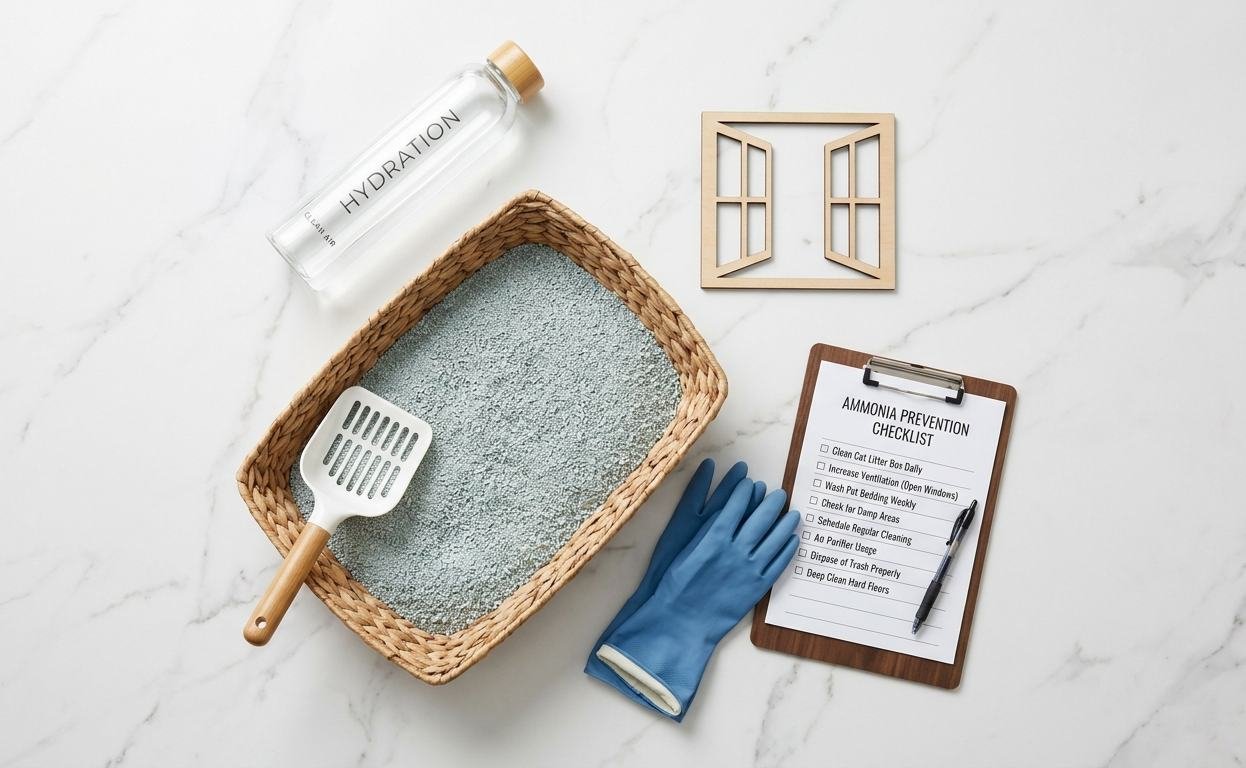
- Clean cat litter boxes daily and replace all litter weekly.
- Stay well hydrated. Pale yellow urine is a good indicator of adequate fluid intake.
- Service refrigerators and air conditioning units annually to catch coolant leaks early.
- Store ammonia-based cleaning products in ventilated areas, away from heat.
- Use proper ventilation (open window or exhaust fan) when dyeing hair or using strong cleaners.
Frequently asked questions
Why do I smell ammonia when no one else does?
Individual response to ammonia varies. Some people can detect it at concentrations below 5 ppm, while others may not notice it until levels are higher. Certain medical conditions, medications, and even hormonal changes can increase your sense of smell temporarily.
Can dehydration cause an ammonia smell?
Yes. When you are dehydrated, your urine becomes more concentrated, and the urea-to-water ratio increases. This makes the ammonia odor much more noticeable. Drinking enough water throughout the day is the simplest and most effective fix.
Is the ammonia smell from sweat dangerous?
The ammonia itself in sweat is not dangerous in the amounts your body produces. However, it can indicate that your body is depending heavily on protein for energy, which may mean you need more carbohydrates in your diet, especially around workouts.
What does ammonia smell like compared to bleach?
Ammonia has a sharp, stinging, urine-like smell. Bleach has a distinctly chlorine-based, pool-like odor. Both are pungent, but ammonia hits the nose with a burning sensation, while bleach feels more like a chemical sweetness. They should never be mixed together.
How long does ammonia smell linger in a room?
In a well-ventilated space, a mild ammonia smell from cleaning products typically clears within 15 to 30 minutes. In a closed or poorly ventilated room, the odor can last several hours. Open windows and use fans to speed up clearance.
Can ammonia smell mean kidney problems?
It can. When the kidneys cannot filter waste optimally, urea accumulates in the blood and may be released through the breath or sweat as ammonia. Persistent ammonia breath or body odor, especially paired with fatigue, swelling, or changes in urination, ought to prompt a visit to your doctor.
Final thoughts
Now that you know what ammonia smells like and where it commonly comes from, you can respond with confidence the next time that sharp sting hits your nose. In most cases, the source is a household product or mild dehydration. When the smell comes from your body and persists, talk to your healthcare provider. Keep your home ventilated, never mix ammonia with bleach, and trust your nose when something is off.
The information in this article is for educational purposes only and does not replace professional medical advice, diagnosis, or treatment. Always consult a qualified healthcare provider for any concerns about your health or before starting any new treatment. Doctiplus does not endorse specific products, brands, or providers mentioned for illustrative purposes.
References
- Centers for Disease Control and Prevention, ammonia facts and exposure information, accessed 2025.
- Occupational Safety and Health Administration, ammonia exposure limits and workplace safety, accessed 2025.
- Agency for Toxic Substances and Disease Registry, toxicological profile for ammonia, accessed 2025.
- Mayo Clinic, chronic kidney disease symptoms and causes, accessed 2025.
- Cleveland Clinic, urinary tract infection signs and treatment, accessed 2025.
- American Lung Association, indoor chemical exposure and air quality, accessed 2025.