

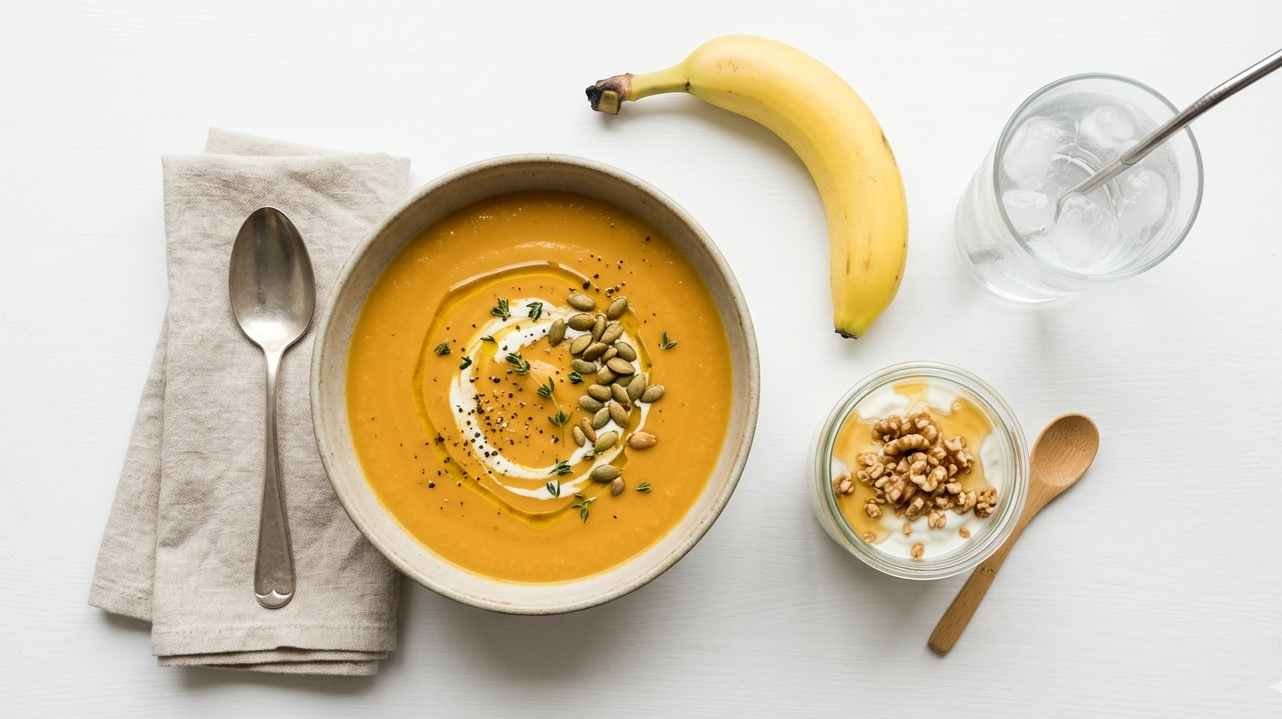
50 Soft Foods to Eat After Dental Surgery: A Complete Recovery Meal Guide

Dental surgery leaves your mouth tender, swollen, and in no mood for chewing. Whether you have just had a tooth extraction, wisdom teeth removal, or a more involved oral procedure, what you eat in the days that follow plays a direct role in how fast and how smoothly you recover. The wrong food can dislodge a blood clot, irritate the surgical site, or introduce bacteria into a healing wound.
The good news is that choosing the right soft foods after dental surgery does not mean surviving on plain broth for a week. There are dozens of nutritious, satisfying, and genuinely enjoyable soft foods that protect your mouth while still fueling your body. This guide gives you all 50 of them, organised by category, along with a sample 7-day meal plan, a foods-to-avoid list with clear reasons, and practical nutrition tips to support tissue repair.
Whether you are preparing ahead of a scheduled procedure or scrambling for ideas the morning after surgery, bookmark this page. It is the only dental recovery food guide you will need. For more on what to expect after an extraction, the team at Doctiplus has a helpful overview on what to expect during wisdom teeth removal and recovery.
Why Soft Foods Matter After Dental Surgery
When a tooth is extracted or oral tissue is cut, a blood clot forms over the wound. This clot is not just a sign of healing; it is an active part of it. It protects the exposed bone and nerve endings underneath and creates the foundation for new tissue to grow. Disrupting that clot, by chewing hard foods, sucking through a straw, or introducing sharp fragments into the socket, leads to a painful complication called dry socket (alveolar osteitis).
According to the American Dental Association, dry socket affects around 2 to 5 percent of routine tooth extractions and up to 38 percent of lower wisdom tooth removals. Soft foods dramatically reduce that risk by keeping pressure, friction, and foreign particles away from the wound.
Beyond protecting the clot, soft foods also reduce jaw fatigue, limit inflammation, and make it far easier to take prescribed pain medication with food in your stomach. Getting your nutrition right from the first meal is one of the simplest things you can do to speed up your recovery.
The First 24 Hours: What to Eat Immediately After Surgery
The first 24 hours are the most critical window for clot protection. During this period, stick to cold or room-temperature liquids and foods that require zero chewing. Cold temperatures also help reduce swelling and mild discomfort, which is a bonus most patients appreciate.
The best choices for the first 24 hours include:
- Cold smoothies (no straw, drink from a spoon or cup)
- Greek yogurt or plain yogurt
- Applesauce
- Ice cream or frozen yogurt (no crunchy mix-ins)
- Cold or room-temperature broth is sipped gently from a cup.
- Pureed soups served lukewarm, not hot.
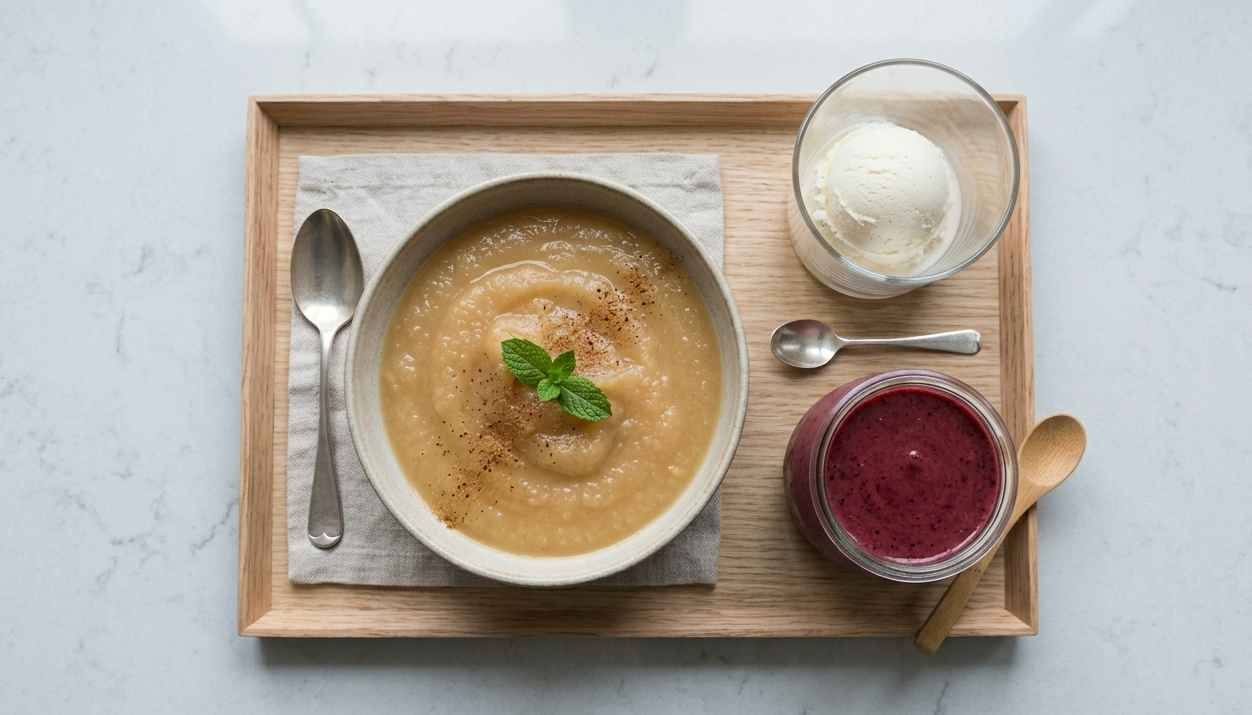
Avoid anything hot during the first 24 hours. Heat increases blood flow to the wound and can dissolve the forming clot. This guidance aligns with recommendations from the American Academy of Oral and Maxillofacial Surgeons, which advises patients to avoid hot liquids in the immediate post-operative period. For further advice on managing swelling in these early hours, see simple ways to reduce swelling after wisdom teeth removal on Doctiplus.com.
Days 2 to 7: Expanding Your Soft Food Options
From day two onward, as initial swelling begins to subside and your clot becomes more stable, you can expand your soft foods after dental surgery options considerably. The goal now is still zero hard chewing but with much more variety in terms of texture, flavour, and nutrition.
Warm (not hot) soups, soft scrambled eggs, well-cooked pasta, mashed potatoes, and ripe bananas all become viable options. The Mayo Clinic recommends continuing soft foods for at least five to seven days after a standard extraction, and longer after more complex surgeries such as bone grafting or multiple extractions.
Listen to your body and your surgeon’s specific instructions. If chewing on one side causes sharp pain at the surgical site, it is too early for that food, regardless of where it falls on this list.
50 Soft Foods Categorized for Easy Meal Planning
Below are all 50 recommended soft foods after dental surgery, grouped by category to make meal planning straightforward. Each entry includes a brief note on why it supports recovery.
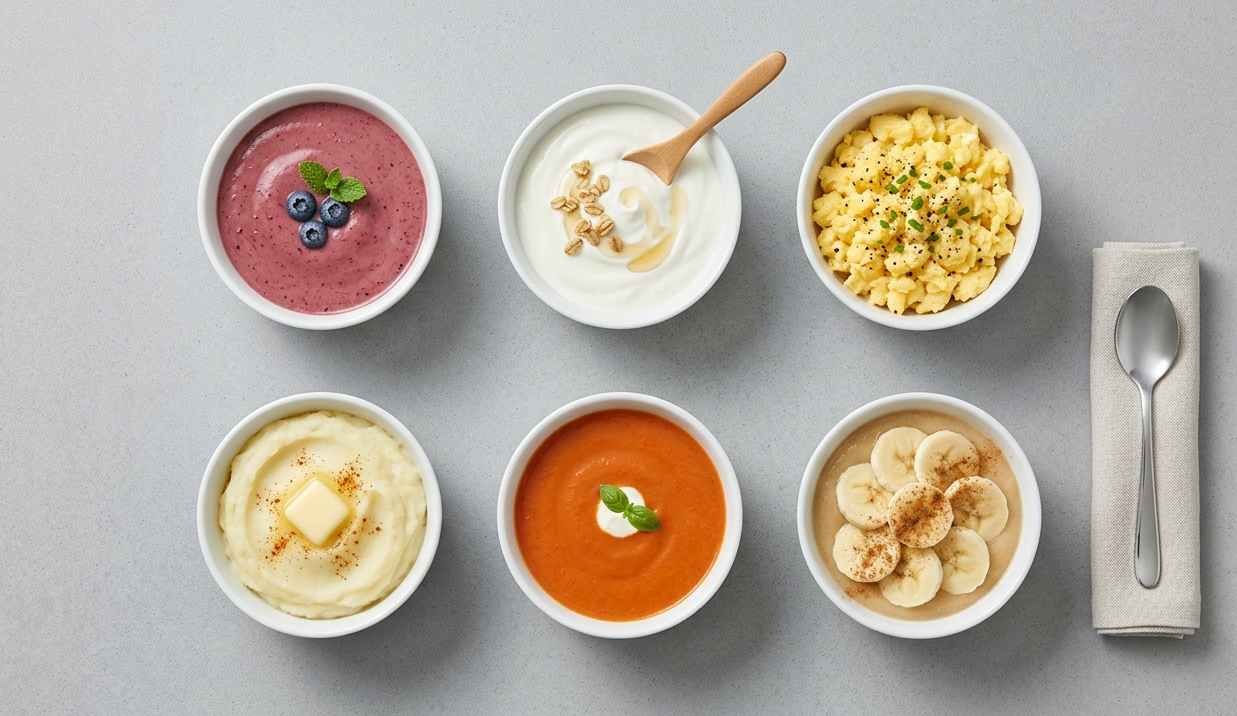
Six categories of soft foods for dental recovery including smoothies, yogurt, soup, eggs, mashed potato, and banana laid out in sectionsSmoothies and Drinks (10 Options)
Drink from a cup or spoon. Never use a straw in the first 72 hours; the suction pressure can dislodge the clot.
- Banana and almond milk smoothie – Easy calories and potassium, gentle on the stomach.
- Mango and Greek yogurt blend – Protein plus vitamin C, which supports collagen synthesis and tissue repair.
- Avocado and spinach smoothie – Healthy fats and iron without requiring any chewing.
- Pumpkin and coconut milk drink – Beta-carotene supports immune function during healing.
- Peach and kefir smoothie – Kefir delivers probiotics that can offset antibiotic-related gut disruption.
- Plain coconut water – Naturally hydrating with electrolytes to replace what anaesthesia and fasting deplete.
- Cherry and oat milk smoothie – Tart cherries contain anthocyanins with mild anti-inflammatory properties.
- Peanut butter and banana shake – High in protein and calories; ideal if appetite is suppressed.
- Watermelon juice (no seeds, blended) – High water content aids hydration and is naturally cooling.
- Warm golden milk (turmeric and milk) – Turmeric has documented anti-inflammatory effects and is soothing when served warm.
Dairy and Dairy Alternatives (8 Options)
- Greek yogurt (plain or lightly sweetened) – High protein, probiotic-rich, and requires no chewing.
- Cottage cheese – Soft curds, high in casein protein that supports overnight tissue repair.
- Ricotta cheese – Spreadable texture, rich in calcium for bone healing after extractions.
- Soft paneer or tofu – Plant-based protein option that can be mashed or served very soft.
- Ice cream (plain, no chunks or cones) – Cold temperature reduces swelling; a genuine post-surgery comfort food.
- Frozen yogurt – Lower sugar alternative to ice cream with added probiotic benefit.
- Custard – Smooth, egg-based, calorie-dense option that goes down easily on low-appetite days.
- Milk (full-fat or plant-based) – Simple calories and calcium; easy to consume when eating feels too effortful.
Soups and Broths (8 Options)
Serve lukewarm, never hot. Avoid chunky soups with hard or fibrous pieces that can lodge in the socket.
- Bone broth – Rich in collagen, glycine, and minerals that directly support wound healing.
- Blended tomato soup – Lycopene and vitamin C in a smooth, palatable format.
- Butternut squash soup (pureed) – Vitamin A supports mucosal tissue repair.
- Lentil soup (blended smooth) – Plant protein and iron without any chewing required.
- Cream of mushroom soup – Zinc from mushrooms supports immune response and skin cell regeneration.
- Sweet potato and coconut soup – Anti-inflammatory beta-carotene with a naturally creamy texture.
- Blended chicken soup (no chunks) – Collagen-rich broth with accessible protein; the ultimate recovery food.
- Miso soup with soft tofu – Fermented and probiotic-rich; gentle on digestion during antibiotic courses.
Eggs and Protein-Rich Soft Foods (8 Options)
- Soft scrambled eggs – One of the best post-surgery foods: high protein, quick to cook, minimal texture.
- Poached eggs – Soft white with a runny yolk; easy to eat when broken and mixed gently.
- Egg custard – Silky texture with complete protein from whole eggs.
- Hummus – Smooth chickpea spread rich in plant protein and healthy fats; eat with a spoon.
- Soft canned fish (tuna or salmon in water) – Omega-3 fatty acids have anti-inflammatory effects that support tissue healing.
- Soft-cooked chicken (shredded and moist) – Lean protein crucial for collagen and antibody production.
- Silken tofu – Blends to a near-liquid consistency and is virtually tasteless, making it easy to consume.
- Refried beans (smooth) – Plant protein, iron, and folate in a mashed, no-chew format.
Soft Carbohydrates (8 Options)
- Mashed potatoes – Comfort food that is energy-dense and completely soft when prepared with butter and milk.
- Oatmeal (well-cooked) – Soluble fibre supports gut health; cook until very soft and let it cool before eating.
- White rice (overcooked and moist) – Easily digestible carbohydrate for quick energy without any texture risk.
- Soft pasta (overcooked) – Orzo or small pasta shapes cooked beyond al dente are safe and filling.
- Polenta or grits – Smooth cornmeal base that can be enriched with cheese for added protein and calcium.
- Soft bread soaked in soup or broth – Removes all crust texture; soaking in liquid makes bread virtually chew-free.
- Pancakes (no syrup chunks, served soft) – A morale boost that is genuinely soft and easy to eat in small torn pieces.
- Congee or rice porridge – Widely used in post-surgical recovery across Asia; extremely gentle on the mouth.
Soft Fruits and Vegetables (8 Options)
- Ripe banana – Naturally soft, no preparation needed, rich in potassium and vitamin B6.
- Avocado – Creamy, anti-inflammatory, and loaded with healthy monounsaturated fats.
- Applesauce (unsweetened) – The safest form of apple post-surgery; provides pectin fibre with zero chewing.
- Ripe melon (cantaloupe or honeydew) – High water content and soft flesh; cut into very small pieces.
- Steamed or pureed carrots – Beta-carotene and vitamin K support clotting and immune function.
- Mashed sweet potato – Dense in vitamin A, potassium, and complex carbohydrates.
- Steamed courgette or zucchini – Collapses to near-mash consistency when cooked; virtually zero chewing needed.
- Pureed mango – Vitamin C content supports collagen production for tissue repair.
Foods to Strictly Avoid After Dental Surgery
Some foods carry specific risks during dental recovery. The table below explains the danger behind each category.
| Hard and crunchy foods | Crisps, nuts, crackers, toast | Fragments lodge in the socket and can dislodge the blood clot |
| Small seeds and grains | Sesame, poppy seeds, quinoa, rice cakes | Seeds embed in the wound and introduce bacteria |
| Spicy foods | Chilli, hot sauce, curries | Irritate inflamed tissue and increase pain and swelling |
| Acidic foods | Citrus juice, vinegar, pickles | Sting open tissue and slow the healing process |
| Alcohol | Beer, wine, spirits, mouthwash with alcohol | Interferes with blood clot formation and interacts with pain medication |
| Hot beverages | Coffee, tea, hot soup | Heat increases blood flow to the wound and can dissolve the clot |
| Chewy foods | Steak, gummy sweets, dried fruit | Require jaw pressure that strains sutures and delays closure |
| Straws | Any beverage through a straw | Suction pressure directly dislodges the clot; risk of dry socket |
For a broader view of situations where dental issues require urgent attention, see the top reasons children need emergency dental care on Doctiplus.com, which also covers adults presenting with post-surgical complications.
Sample 7-Day Soft Food Meal Plan
Use this plan as a template. Adjust portions to your appetite and follow your surgeon’s specific guidance at all times.

| Day 1 | Greek yogurt + cold smoothie | Lukewarm bone broth sipped from cup | Applesauce + vanilla ice cream |
| Day 2 | Oatmeal (cooled) + mashed banana | Blended tomato soup + cottage cheese | Soft scrambled eggs + mashed potato |
| Day 3 | Avocado mashed + warm golden milk | Pureed lentil soup + ricotta toast (soaked) | Congee with soft-cooked egg |
| Day 4 | Custard + banana smoothie | Cream of mushroom soup + hummus | Soft pasta + blended chicken broth |
| Day 5 | Pancakes (small, soft) + yogurt | Sweet potato and coconut soup | Mashed sweet potato + soft canned salmon |
| Day 6 | Smoothie + soft scrambled eggs | Miso soup with silken tofu | Polenta with cheese + steamed courgette |
| Day 7 | Oatmeal + mango puree | Blended chicken soup | Soft pasta + refried beans + avocado |
If you are recovering from jaw surgery rather than a standard extraction, a longer soft food protocol is necessary. The Doctiplus guide on corrective jaw surgery recovery: how to survive the first week covers those specific dietary adjustments in detail.
Nutrition Tips for Faster Healing
Choosing the right soft foods after dental surgery does more than fill your stomach. Specific nutrients play direct roles in wound healing, immune function, and inflammation control.
“Protein is the single most important macronutrient for post-surgical recovery. Patients who maintain adequate protein intake through soft, easy-to-digest sources consistently heal faster and experience fewer complications,” says Dr. Sarah Patel, DDS, MSD, a licensed oral surgeon with over 12 years of clinical practice.
Key nutrients and where to find them in soft form:
- Vitamin C: Mango puree, pureed tomato soup, papaya – essential for collagen synthesis and wound closure
- Zinc: Soft canned oysters, pumpkin soup, miso broth – accelerates skin cell regeneration
- Protein: Greek yogurt, eggs, silken tofu, bone broth – the building block of new tissue
- Vitamin A: Mashed sweet potato, pureed squash, carrot soup – promotes mucosal repair
- Omega-3 fatty acids: Canned salmon, avocado, walnut-based smoothies – reduce post-surgical inflammation
For more on how nutritional deficiencies affect recovery outcomes, see why modern lifestyles are leaving us nutrient-deficient on Doctiplus.com.
Hydration and Recovery
Staying hydrated after dental surgery is non-negotiable. Dehydration slows healing, increases the risk of post-operative nausea, and can make constipation worse when you are taking prescription pain medication.
Aim for 2 to 2.5 litres of fluid daily, primarily water. Coconut water, diluted fruit juices, and mild herbal teas are also fine from day two onward. Avoid carbonated drinks, which create pressure in the mouth, and anything alcoholic, which impairs clotting.
The NHS post-extraction guidance also recommends avoiding rinsing the mouth for 24 hours and then only rinsing gently with warm salt water to maintain oral hygiene around the wound without disturbing the clot.
When Can You Return to Normal Eating
For a standard single-tooth extraction, most patients can return to a near-normal diet within 7 to 10 days as the socket begins to close. Wisdom tooth removal, particularly lower wisdom teeth with bone involvement, typically requires 10 to 14 days on soft foods.
More complex procedures, such as multiple extractions, bone grafting, dental implant placement, or corrective jaw surgery, may require four to six weeks of dietary restriction. Always follow your oral surgeon’s specific timeline rather than a general guide.
Signs that you are ready to reintroduce firmer foods include: no bleeding at the site, significantly reduced swelling, the wound visibly beginning to close, and the ability to open your mouth fully without sharp pain. When in doubt, call your dentist. According to the Cleveland Clinic, patients should contact their provider if they experience severe pain beyond 72 hours, persistent bleeding, or fever, as these may indicate infection or dry socket.
For those recovering from a more complex jaw procedure, the full Doctiplus guide on wisdom teeth removal recovery: how to ensure it goes smoothly, walks through each stage of recovery in detail.
Frequently Asked Questions
How long do I need to eat soft foods after a tooth extraction?
Most dentists recommend soft foods for at least 5 to 7 days after a simple extraction. For wisdom teeth or surgical extractions, plan for 10 to 14 days minimum. Follow your surgeon’s specific instructions above any general timeline.
Can I eat yogurt after dental surgery?
Yes. Plain Greek yogurt is one of the best post-surgery foods you can eat. It is cold, soft, high in protein, and contains probiotics that support gut health, especially if you are taking antibiotics. Avoid varieties with crunchy granola or fruit pieces.
Is it safe to drink coffee after a tooth extraction?
Not within the first 24 hours. Hot liquids can dissolve the blood clot and increase bleeding. After the first day, lukewarm coffee is generally acceptable, but avoid drinking it through a straw. Caffeinated drinks can also impair sleep, which slows recovery.
What can I eat after wisdom teeth removal on day 1?
On the first day, stick to very cold or room-temperature liquids and purees: smoothies (drunk from a cup), cold Greek yogurt, applesauce, ice cream, and bone broth sipped gently. Avoid anything hot, crunchy, or consumed through a straw.
Can I eat pasta after dental surgery?
Yes, but cook it well past al dente until it is very soft. Avoid short pasta shapes that could become lodged in a socket, and choose smooth sauces rather than chunky or seed-containing ones.
Why can I not use a straw after a tooth extraction?
Suction is the main reason. The pressure created when using a straw can pull the blood clot away from the socket, causing a dry socket, a painful condition where bone and nerves are exposed. Avoid straws for at least 72 hours, or longer if advised by your surgeon.
What foods help you heal faster after dental surgery?
Foods rich in vitamin C (mango, pureed tomato), zinc (miso, pumpkin), protein (eggs, Greek yogurt, silken tofu), and omega-3 fatty acids (canned salmon, avocado) all support faster tissue repair and help control post-surgical inflammation.
Conclusion
Recovering well after dental surgery is as much about what you eat as it is about rest and medication. The 50 soft foods after dental surgery in this guide give you a wide, nutritionally sound range of options that protect the surgical site, fuel your body, and make the recovery period far more manageable. Start cold and liquid on day one, expand gradually through the first week, and lean on protein, vitamin C, and anti-inflammatory foods throughout.
If you are unsure about a specific food or your recovery is not progressing as expected, contact your dentist or oral surgeon. And if your procedure involved your jaw rather than just a tooth, the Doctiplus guide on corrective jaw surgery recovery: how to survive the first week offers extended dietary guidance tailored to that longer healing process.
Medical Disclaimer
Medical Disclaimer: The information provided in this article is for educational purposes only and is not intended as medical advice. Always consult a qualified healthcare professional before making any decisions about your health, diagnosis, or treatment. Doctiplus does not endorse any specific treatments, procedures, or products mentioned in this article.
References
- American Dental Association. Dry Socket. ADA Science and Research Institute.
- Mayo Clinic. Dry Socket: Symptoms and Causes. (2024). MayoClinic.org.
- American Academy of Oral and Maxillofacial Surgeons. Tooth Extractions. MYOMS.org.
- Cleveland Clinic. Tooth Extraction Aftercare. ClevelandClinic.org.
- NHS. Tooth Extraction Recovery. NHS.uk.
- Scholl, I. et al. (2020). Nutritional support and wound healing. Clinical Nutrition ESPEN, 36, 1-8.
- Calder, P.C. (2013). Omega-3 fatty acids and inflammatory processes. Nutrients, 5(8), 3073-3100.